Company reveals Aspire Go 15 with new chip and Swift Spin 14 AI to compete in the notebook market
The electronics manufacturer officially announced the expansion of its portfolio of portable computers with the introduction of two new devices aimed at different consumer profiles. The initial highlight is the Aspire Go 15 model, which hits the market as the first device to use the Snapdragon C processor from Qualcomm. The brand’s commercial strategy points to direct competition with the MacBook Neo in the more affordable device segment. The announcement took place this Thursday. The company’s Executivos confirmed their intention to democratize access to modern components.
Além of the option focused on cost-benefit, the company took the opportunity to reveal the Acer Swift Spin 14 AI, a superior equipment equipped with the Snapdragon X2 architecture. The move demonstrates an in-depth partnership with the semiconductor manufacturer to cover everything from student demands to complex corporate needs. The technology sector is closely following the transition to platforms based on ARM architecture. Marketplace Analistas note that integrating artificial intelligence directly into hardware has become a mandatory standard for this year’s releases.
Commercial Estratégia focuses on cost-benefit for students
The new Aspire Go 15 was specifically designed to serve users who need a reliable machine for daily office and study tasks. The equipment carries the identification code AG15-Q31P. The inclusion of the Snapdragon C processor represents a milestone in the components industry, offering an architecture focused on energy efficiency without sacrificing browsing speed. The exact technical specifications of the chip remain under partial embargo. The manufacturer guarantees that the processing capacity surpasses previous entry-level generations.
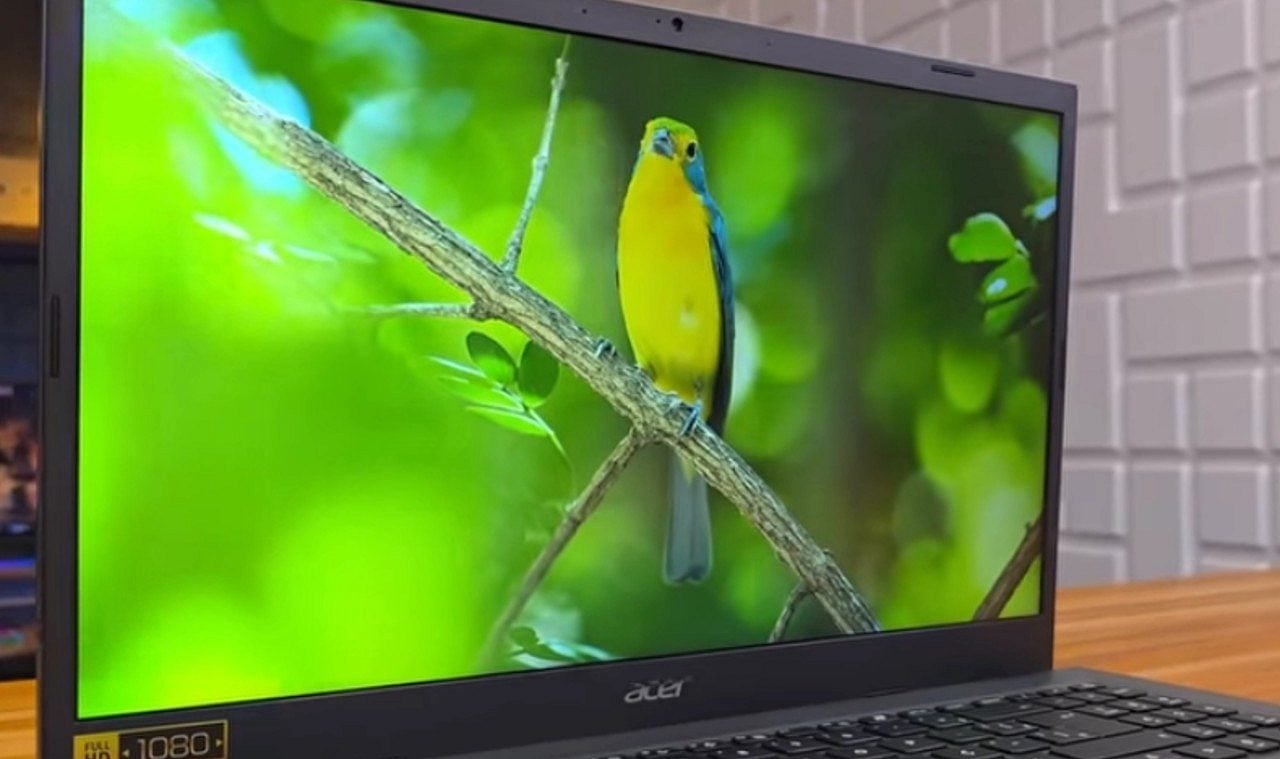
The visual aspect of the device relies on traditional and discreet lines. The chassis features a gray color with a texture that simulates a metallic finish, although the main structure is made of high-density plastic to reduce production costs. The 15.6-inch screen delivers Full HD resolution. The edges around the panel are medium thick, housing the sensors necessary for video calls. The optical array provides enough clarity for everyday virtual meetings.
In terms of memory and storage, the basic configuration offers components suitable for the current operating system. Consumers will find versions with up to 8 GB of RAM and SSD storage units of up to 512 GB. Esta technical combination allows quick opening of productivity applications and fluid navigation with multiple tabs open simultaneously. Power management is handled by a battery with a capacity of 53 Wh. Wireless network support includes the Wi-Fi 6E and Bluetooth 5.4 standards.
Conectividade physical and software limitations in the base model
The versatility of a portable computer directly depends on its communication options with external peripherals. The engineering design of the Aspire Go 15 prioritized the maintenance of traditional ports alongside new generation connections. The user will not need to resort to external adapters for most daily use situations. The distribution of the inputs was designed to avoid mutual blocking of thick cables.
- Duas ports in the USB-C standard for data and power transfer.
- A traditional USB-A port for compatibility with legacy accessories.
- An HDMI 1.4 video output for connecting to external monitors.
- A unified headphone and microphone jack.
The software environment is managed by the Windows 11 Home operating system, which is pre-installed at the factory. The notebook’s keyboard includes a physical key dedicated to activating the Microsoft’s virtual assistant. However, the Snapdragon C processor architecture does not meet the minimum neural processing requirements required by the platform. The device does not fully support the Copilot Plus suite of advanced tools. The available artificial intelligence functions mostly operate based on the cloud.
Premium Linha delivers high performance for professionals
The portfolio gains high-performance contours with the introduction of the Acer Swift Spin 14 AI, identified by code SFSP14-Q51T. The convertible format allows it to be used both as a traditional notebook and as a large tablet. The external structure abandons plastic in favor of a chassis entirely machined in cobalt blue aluminum. The refined finish positions the product in a higher market range, targeting creative professionals and executives. The reduced weight makes it easy to carry daily in backpacks and corporate briefcases.
The processing engine of this superior model uses the Snapdragon X2 Elite or Snapdragon X2 Plus platforms, depending on the configuration chosen by the buyer. The chips have up to 12 cores of the Oryon architecture, guaranteeing computational power for compiling codes and rendering visual projects. The technical difference lies in the presence of a dedicated neural processing unit. The NPU delivers a capacity of 80 TOPS for local processing of artificial intelligence algorithms. The hardware performs complex machine learning tasks without relying on remote servers.
Memory specifications match the high-performance profile of the central processor. The equipment can be configured with up to 32 GB of RAM in the LPDDR5X standard. Internal storage uses PCIe 4.0 SSD drives with a maximum capacity of 1 TB, ensuring extremely fast read and write rates. The 14-inch IPS LCD screen adopts 16:10 aspect ratio with WUXGA resolution. The panel reaches a maximum brightness of 300 nits and covers 100% of the sRGB color gamut. The refresh rate of 120 Hz provides fluid animations on the interface. The touch display supports active pens based on the Wacom AES 2.0 standard.
Autonomia extended and expected arrival at international retail
The advanced model wireless communication incorporates the latest technologies approved by international regulatory bodies. The device leaves the factory equipped with Wi-Fi 7 and Bluetooth 6.0 modules, ensuring signal stability in environments with high network congestion. Physical connections include two USB-C 4 ports with transfer speeds of up to 40 Gbps, two USB-A 3.2 ports, and an HDMI 2.1 output. The stereo audio system is DTS:X Ultra certified for spatial sound. Physical durability is certified by MIL-STD-810H military certification.
The energy efficiency of the new ARM architecture directly reflects the time spent away from sockets. The 65 Wh battery promises to keep the equipment running during long working hours. The manufacturer’s internal Testes indicates an autonomy of up to 23 hours for continuous playback of local videos. Uninterrupted internet browsing can reach 16.5 hours on a single full charge. Energy replenishment occurs accelerated through 100 W adapters using the Power Delivery protocol. The system’s security is reinforced by a 5 MP webcam with infrared sensor for biometric facial recognition.
The commercial launch schedule establishes different paths for each of the announced devices. Information regarding the suggested price and availability date of the entry-level model remains restricted to the company’s behind-the-scenes. The market awaits an official positioning to understand the impact of the product on global retail. The premium convertible model has a more defined calendar, expected to arrive on Europa shelves in July. The brand’s executives promised to reveal the price list and final distribution details during the Computex 2026 technology fair, which will take place next week.