Composer Sam Slater details the creation of the soundtrack for the game Saros with a focus on drone metal By Carolina Costa
5 min read
 |
The soundtrack for the Saros game was officially released on May 22, delivering an auditory experience focused on the immersion of the virtual universe. Composer Sam Slater leads the musical project, using dark and distorted sound elements to represent the characteristics of an unknown planet. The work integrates genres such as drone metal and the use of synthesizers to build the atmosphere required by the narrative.
The musical creation process required a complex structure, described by the composer himself as a puzzle of large proportions. The audio team’s goal was to establish the identity of a fictional world through specific notes and sound effects. The production required a rigorous technical alignment between the musical composition and the narrative progression experienced by the player during the campaign.
Construção from the sound identity of the planet Carcosa
Initial development focused on defining the musical essence of Carcosa, the planet that serves as the story’s central setting. Sam Slater worked in direct collaboration with Greg Louden, Diretor Criativo of Housemarque, and Joe Thwaites, Líder Musical of PlayStation Studios Creative Arts. The team looked for thematic and textural ideas capable of identifying the environment even before the visual completion of the project, using test images as a basis.
The audio design worked as a three-dimensional system, defying the traditional linear time of musical composition. The structure needed to offer functionality so that the user could advance through the story without auditory interruptions or rhythm breaks. Initial conversations between Slater and Louden established a direction based on the tension between organic drone metal and clean electronic music.
The definition of the instruments and frequencies used went through several revisions until reaching the balance desired by the developers. The choice for saturated sounds helped convey the hostility of the alien environment present in Carcosa. Sound planning required that each track could be broken down into independent layers, facilitating implementation in the game’s graphics engine.
Integração technique between music and sound design
Technical integration between soundtrack and sound design represented a priority throughout Saros’s entire development cycle. The composer treated both areas as a single audio engine responsible for managing all information sent to players. Esta continuous collaboration between teams allowed the formation of a cohesive environment and avoided attendance conflicts.
The production required constant dialogue to ensure adequate space for each sound element within the final mix. In specific phases that contain environmental sounds, such as rain and wind, the musical volume undergoes programmed reductions to allow the atmospheric elements to gain prominence. Esta technical synergy avoided unnecessary overlaps that could confuse the user’s spatial perception.
The audio engineering applied to the project used advanced mixing techniques to efficiently separate the frequency bands. The equalization process ensured that the drone metal’s heavy bass didn’t mask the high-frequency details of the synths and ambient effects. The dynamic range was preserved to impact the player during moments of greatest tension and in combat against enemies.
Influência of biomes and vocal manipulation
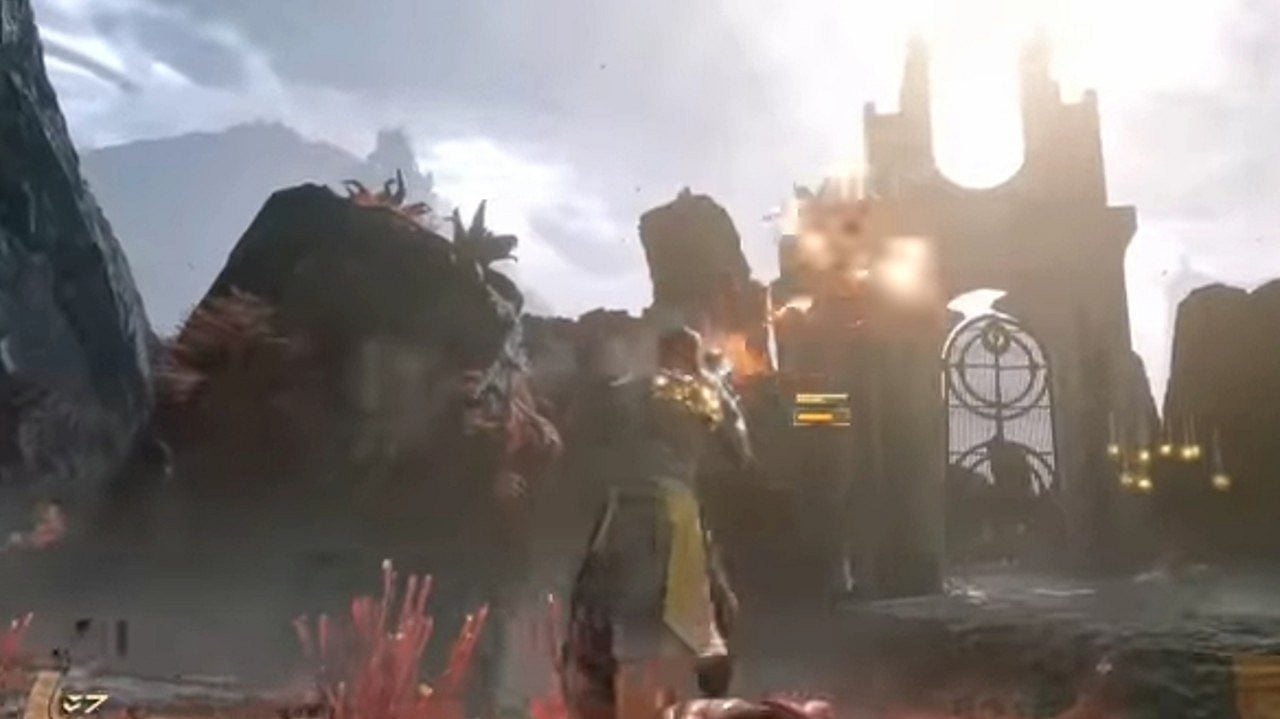
The composition’s architecture directly reflects the level design, mirroring visual markers of the landscape in the audio tracks. In the Ancient Depths biome, the central melody utilizes a stoney, ceramic sound shaped with reverb to evoke a feeling of constant descent into a giant cave. Quando the event known as Eclipse is activated, a metallic percussion emerges in sync with the proximity of the machines.
A central feature of the production involves the manipulation of human voices to generate unrecognizable and unstable sounds. The audio team applied specific recording and processing methods to transform standard vocal recordings into alien textures that make up the atmosphere of danger.
- Gravação vocals with experimental artist Rully Shabara in the studio.
- Utilização of a suspended metal sheet connected to speakers and microphones.
- Geração of feedback frequencies to stimulate the metal structure with screams.
- Processamento digital to fragment the original human sound and create instability.
The only voice that maintains human characteristics represents the character Arjun’s ideas about Nitya. The main track, titled “Sun is Forever”, was designed to convey mystery and a maternal feeling. The entry of heavy guitars in this specific track symbolizes the Eclipse event, altering the emotional impact of the composition and reinforcing the shift in tone in the narrative.
Representação auditory of the Eclipse event and fights
The soundtrack explores the contrast between feelings of longing and the corruption present in the story. The narrative follows the protagonist Arjun, whose development is marked by this internal contradiction. The audio reflects these opposing elements through the choice of instruments, the intensity of the arrangements and the variation in song tempo.
Eclipse is sonically represented by audio degradation and signal overload. The technical effect of overdrive works as a metaphor for a waveform that goes beyond the limits of circuits. The production applied a melodic transposition where notes outside the context of the Eclipse are moved six semitones up or down. Esta musical alteration creates the psychological sensation that the environment is fundamentally wrong.
Durante meetings with bosses, the musical direction focuses on communicating energy intuitively to maintain engagement. Cada combat sequence features the specific themes of the current stage, alternating between standard versions and variations of Eclipse. The audio system dynamically adapts to the player’s actions, ensuring a fluid transition between exploring the scenarios and high-intensity confrontations.
The role of dynamic audio in the gaming industry
The implementation of dynamic audio systems has become a standard in high-budget productions in the video game industry. Tecnologias developed by studios like PlayStation Studios Creative Arts allows music to react in real time to user commands. Em Saros, this technology ensures that the soundtrack follows the rhythm of the gameplay without abrupt cuts.
The use of middleware software facilitates the complex programming required by these interactive tracks. Compositores and sound designers use these tools to configure parameters that trigger specific musical tracks based on game variables, such as character health or the number of enemies on screen. Esta technical approach increases the immersion factor of the work.
The final mastering of the soundtrack requires attention to the different reproduction systems used by consumers. The audio team makes sure the mix sounds clear and impactful, whether the player uses stereo headphones, television speakers, or dedicated home theater systems. Technical rigor completes the cycle of creating a track that actively participates in the construction of the Saros universe.