FIA decision prohibits activating the system in straight mode for cars on the Monaco circuit
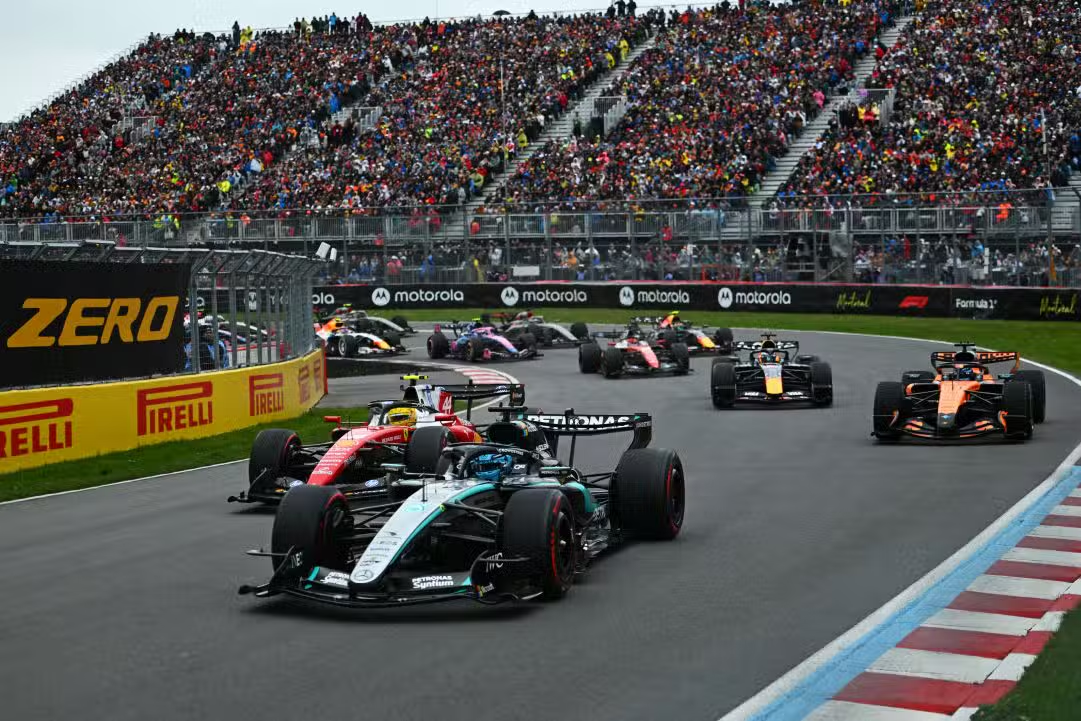
The Federação Internacional of Automobilismo confirmed a significant technical change for the next stage of the Fórmula 1 world championship. Drivers will not be able to use the aerodynamic system known as straight mode during the Grande Prêmio of Mônaco, scheduled to take place between the 5th and 7th of June. The measure directly affects the configuration of single-seaters on the street layout.
The exceptional determination is due to the unique characteristics of Circuito of Monte Carlo, which does not meet the minimum security criteria required for feature activation. The official race map has already been updated by the event organizers. The document only displays the speed measurement points and the overtaking button activation zones, confirming the absence of the straight mode activation lines.
Exigências security forces determine aerodynamic veto on the streets of the principality
The category’s technical regulations establish strict parameters for the release of systems that reduce aerodynamic drag. Para For straight mode to be authorized, the track must present a continuous stretch of acceleration lasting at least three seconds. The Monegasque layout is historically known for its complexity. The track features a succession of slow curves, narrow chicanes and short straights.
Nenhum sector of the circuit reaches the minimum time required by the highest motorsport entity. The restriction was communicated directly to the teams, who now need to reevaluate their strategic planning for the weekend. The absence of the resource changes the vehicle preparation dynamics. Engineers lose an important tool for gaining maximum speed, which makes the search for mechanical grip even more of a priority in free practice sessions.
Configuração permanent high pressure changes teams’ strategy on the track
The aerodynamic system introduced by the current rules modifies the behavior of the cars’ front and rear components. Quando the pilot activates the control on the steering wheel on conventional runways, the inclination of the flaps is changed to reduce air resistance. Essa action cancels out the reverse vertical force, known as downforce, and allows the vehicle to reach higher speeds during full acceleration sections.
Nas streets of Monte Carlo, the single-seaters will operate uninterruptedly in the so-called curved mode. The wings will remain fully closed during all track activities, including the main race on Sunday. The technical choice prioritizes maintaining aerodynamic pressure, an essential factor for negotiating the principality’s low-speed curves with stability.
The current generation of Fórmula 1 cars has specific structural characteristics that require extra attention on closed circuits. Key changes include:
- Divisão balanced power generated between the combustion engine and the electrical system.
- Necessidade constant management of energy recovery by competitors during braking.
- Asas movable front wings operating in direct synchronization with the rear spoiler.
- Desativação features automatic maximum speed in sectors of high directional complexity.
The integration of these elements makes driving more complex on tracks without escape areas. The additional weight of the electrical components alters the braking point and requires greater precision when approaching curves such as the famous Saint Devote and the old train station hairpin.
Mapeamento engine electronics may suffer additional restrictions against accidents
Além from veto to straight mode, the test management studies the application of other technical limitations in power units. Existe the real possibility of implementing a specific electronic mapping, internally named Rev 1. Essa configuration acts directly on the management of the engine software. The system limits power supply abruptly, creating a smoother acceleration curve.
The main objective of the device is to avoid accidents in the narrowest and most dangerous areas of the Monegasque track. The immediate delivery of torque, characteristic of electric motors, can cause loss of traction on the rear wheels when exiting slow curves. The introduction of Rev 1 aims to prevent these sudden variations in the acceleration of cars, ensuring greater predictability in the dynamic behavior of vehicles close to guardrails.



The federation still evaluates the data collected in simulators by the teams before making the new mapping mandatory. The entity’s engineers analyze virtual telemetry to understand the real impact of the measurement on lap time and rear tire wear. The final decision on the topic must be announced at the technical conference that precedes the first free training session.
Regulamento current technical demands constant adaptation from drivers on urban tracks
The specific determinations for Grande Prêmio and Mônaco reflect the challenges posed by the ruleset initiated in the current competitive season. The substantial increase in the weight of the electrical part sparked debate in the paddock. Diversos drivers expressed public complaints about the difficulty of driving their vehicles on street circuits, where agility in changing direction is essential for good performance.
The current scenario motivated internal discussions between the championship organization, the teams and the federation. The meetings resulted in the development of new guidelines for the future of the category. The entity plans to increase the performance of the internal combustion engine in projects that will debut from 2027, seeking a rebalance in the distribution of weight and power of single-seaters.
Enquanto future changes do not come into effect, teams need to optimize the available package. The Mônaco stage will serve as an extreme test for the reliability of hybrid systems under continuous stress at low speeds. The focus on cooling the brakes and extracting maximum mechanical grip will define the order of forces on the starting grid, a step considered crucial for the final result on a track where overtaking is rare.
Impacto on mechanical adjustment and tire grip
The ban on straight mode also transfers the responsibility for performance to suspension setup. Sem the possibility of reducing aerodynamic drag, engineers need to focus on the mechanical behavior of the chassis. The height of the car in relation to the ground will be adjusted to avoid excessive contact with the undulations of the urban asphalt. The Mônaco circuit has steep drops in level, especially in the section that connects the casino square to the Mirabeau descent.
The management of compounds provided by Pirelli gains a new level of importance in this scenario. With cars generating maximum aerodynamic load all the time, the surface temperature of the rubber tends to rise quickly. Drivers will have to balance the qualifying pace with the need to preserve the soft tires for the decisive moment of training. The mechanical grip provided by the tires is the only variable that can compensate for the lack of speed on the short straights of the track.
The complexity of the weekend demands operational perfection in the pits. Qualquer error in calculating tire pressure or calibrating the front wing compromises the overall balance of the car. Top teams use advanced real-time simulation tools to monitor vehicle behavior from lap to lap. The absence of straight mode simplifies part of the driving, but increases the pressure on the precision of the trajectories chosen by the competitors throughout the 78 laps scheduled for the race.
Veja Tambem em Latest News (EN)

Clash of dates between Formula 1 and the World Cup makes Kimi Antonelli declare support for Brazil
Mauricio Pochettino opens talks with Milan to take over team after Massimiliano Allegri’s dismissal

Striker João Pedro guarantees that Cole Palmer would take over the number ten shirt for the Brazilian team

Napoli agrees to sign Massimiliano Allegri with a two-year contract and millionaire salary

Champions League final pits Paris Saint-Germain and Arsenal in Budapest

Valued at US$9.5 billion, Real Madrid surpasses rivals and leads Forbes ranking in 2026

Young Kimi Antonelli dominates Formula 1 season and father details inspiration in Ayrton Senna

Barcelona invests R$467 million in Anthony Gordon and negotiates with Julián Álvarez for the attack

Goalkeeper Marc ter Stegen negotiates departure from FC Barcelona after losing space in the main squad

Arsène Wenger points out Arsenal’s favoritism against Paris Saint-Germain in the Champions League final

Auckland FC goalkeeper cancels wedding after New Zealand’s World Cup call-up