

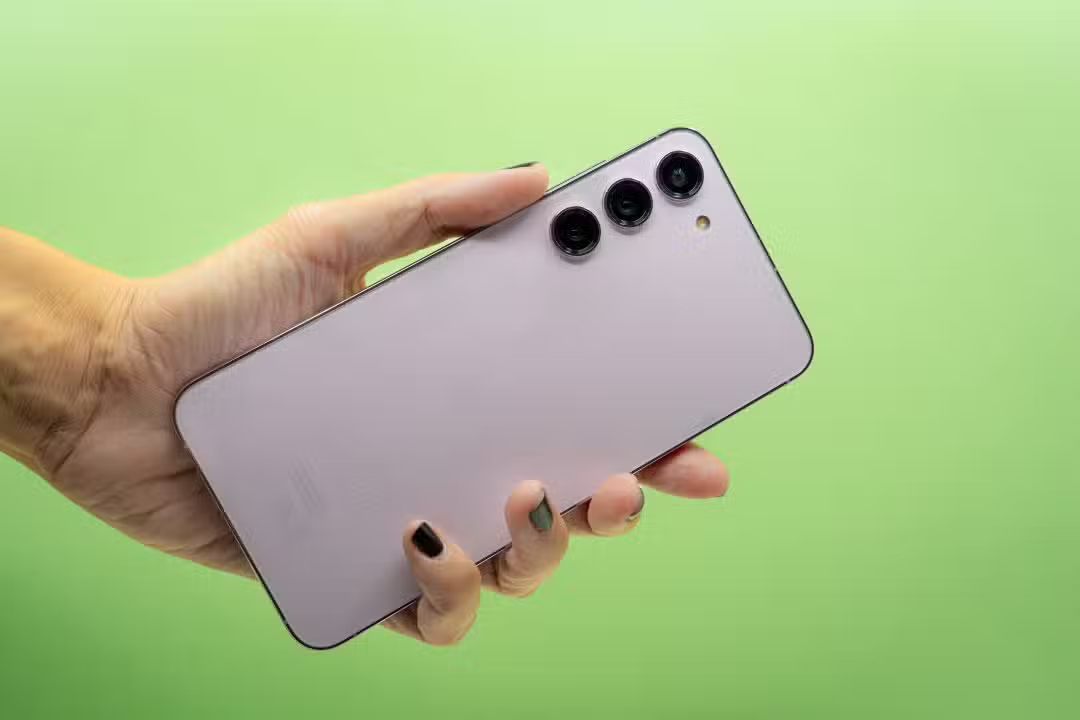
Owners of Galaxy S23 line smartphones began receiving the stable version of the One UI 8.5 operating system during the last week and identified the absence of official support for AirDrop. The fast file transfer tool was not incorporated into the three models in the series, contrary to the expectations of part of the public. The omission of technical functionality generated a series of massive complaints on discussion forums and online communities aimed at consumers of the South Korean brand.
The manufacturer’s decision to restrict the new feature to the latest devices caused frustration among customers who were waiting for parity in software features. Consumidores who have Galaxy S23 Ultra reported that the installation package delivered only visual changes to the interface. Proprietários of version Galaxy S23 Plus also expressed dissatisfaction with the lack of connectivity tool. Discussions on social media show that a group of users interprets the technical limitation as a commercial tactic of planned obsolescence.
Corporate Estratégia restricts new features to recent models
The South Korean giant maintained the historical pattern of updates and confirmed that AirDrop support will be restricted to devices in the Galaxy S24 family and later generations. The company chose not to prioritize the inclusion of the tool in the One UI 8.5 package for the previous line, even with the technical capacity present in the hardware. The strategy of limiting specific features in older models follows a common practice in the technology market to differentiate newer releases and boost sales of the current portfolio.
Consumers point out that excluding the feature conflicts with the promises of extended support offered at the time of purchase. The Galaxy S23 also has a guaranteed year of major updates to the Android operating system and proprietary interface. Delivering new versions of software without access to the most prominent tools creates a disconnect between the manufacturer’s commercial marketing and the owners’ actual daily usage experience.
Capacidade hardware technical and connectivity limitations
Technical analyzes of the internal architecture of the devices indicate that the Galaxy S23 meets the physical requirements to run the functionality. The smartphones in the series are equipped with the Snapdragon 8 Gen 2 processor, which integrates the FastConnect 7800 communication system developed by Qualcomm. Este hardware suite provides native support for Wi-Fi 7 connectivity and enables multi-link operation, as detailed in the chip manufacturer’s official documentation.
Especialistas on technology forums explained that the theoretical structure of the processor would allow the implementation of the Apple Wireless Direct Link protocol. Este communication standard, known by the acronym AWDL, is responsible for enabling AirDrop to work between devices. The technology works by dividing data transfers into smaller packets and switching radio channels at high speed, which keeps the connection active while the device remains linked to the main internet network.
Apesar’s theoretical compatibility, protocol adaptation runs into practical software engineering obstacles. A previous generation Wi-Fi module can create a bottleneck in information processing and make file transfer slow or unstable. Proper implementation would require Samsung and Google to invest substantial time in optimizing the code specifically for the Galaxy S23 components. A lack of refinement could result in crashes and harm the overall performance of the device when using the tool.
Histórico updates and life cycle of smartphones
The manufacturer’s software distribution policy has never included devices released before the Galaxy S24 series in the AirDrop compatibility list. The corporate standard reflects the need to segment product lines by year of manufacture and justify the pricing of the latest premium models. The company has not published any official statement or signaled plans to develop backwards compatibility of the transfer tool for the catalog from previous years.
The process of adapting modern features to devices three years old requires the allocation of engineering teams, stability testing routines and ongoing technical support. Como o Galaxy S23 approaches the end of its cycle of major updates, the company has directed financial and human resources to improving the recently launched devices. The consumer electronics market adopts this approach across the board.
Managing the lifecycle of mobile devices involves technical decisions that directly affect the installed user base. Manufacturers evaluate several criteria before releasing a major update:
- Estabilidade of the operating system on previous generation processors.
- Consumo battery generated by new wireless connectivity protocols.
- Capacidade device thermal processing during heavy transfers.
- Custos operational to keep development teams focused on legacy hardware.
The analysis of these factors determines which models will receive the full package of innovations and which will only have access to aesthetic modifications. The priority of development teams is to maintain system stability.
Impacto in consumer and technology market expectations
The mobile phone market has undergone significant transformations and the annual change of devices is no longer a necessity for the majority of consumers. Modern smartphones deliver physical durability and processing capacity suitable for three or four years of continuous use. Maintaining a device for long periods inevitably results in losing access to the latest industry-developed software features.
Owners of high-end devices face a constant dilemma regarding software support. Customers seek the highest possible parity of functionality throughout the life of the equipment. At the same time, users reject updates that cause slowdowns, crashes, or reduce battery life on older hardware. The exclusion of a heavy tool represents a pragmatic decision by the manufacturer to preserve the fluidity of the original system.
The absence of AirDrop on the Galaxy S23 illustrates the ongoing tension between the expectations of the consumer public and the business cycles of technology companies. Samsung adheres to the extended support schedule announced at launch, but applies clear software differentiation based on hardware generation. Line owners will continue to receive monthly security packages and bug fixes, but connectivity innovations will remain exclusive to buyers of the Galaxy S24 family and the brand’s future releases.