Lamborghini CEO reacts to the negative repercussions of the Ferrari Luce and defends focus on hybrids


Lamborghini CEO Stephan Winkelmann has reacted to the intense controversy surrounding the launch of Ferrari Luce. Ele used the negative reception of Ferrari’s new electric vehicle to justify its own company’s decision to abandon plans to develop pure electric vehicles. Lamborghini’s stance reinforces a trend of caution in the luxury market regarding total electrification.
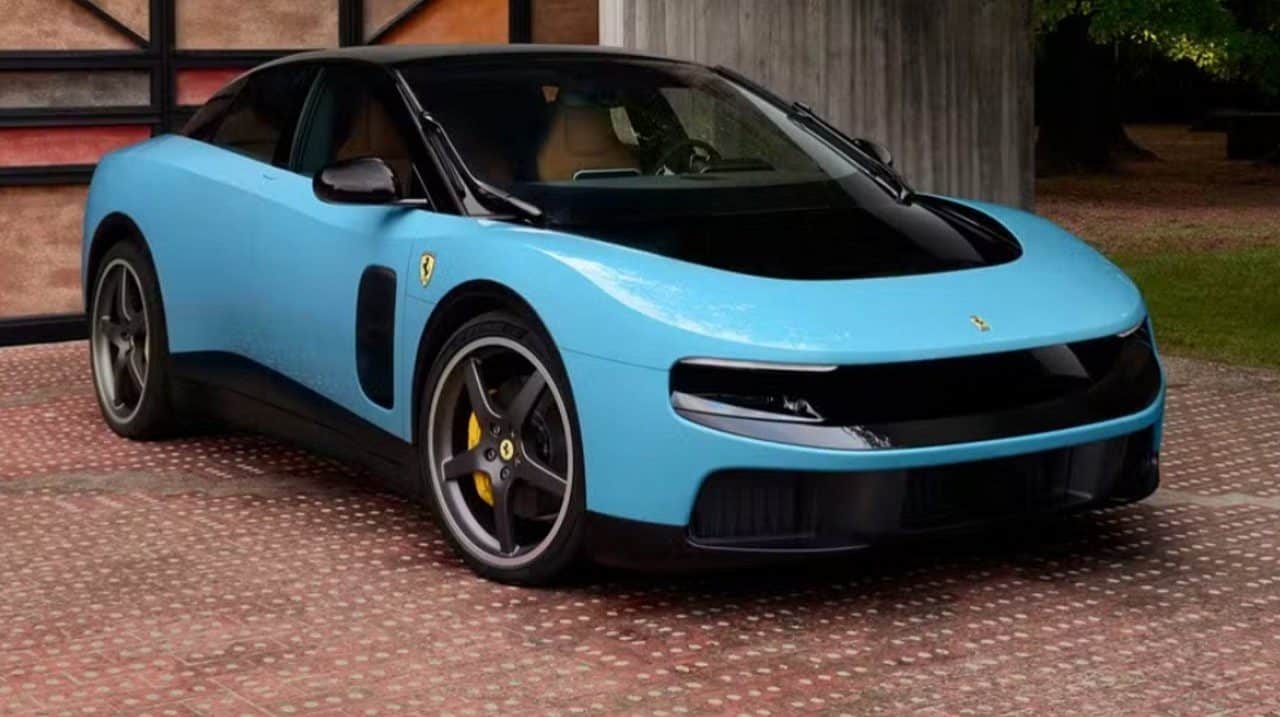
Ferrari unveiled its all-electric model Luce last Monday, generating a huge buzz in the industry. The design of the Luce, described as a four-door, four-engine “blob”, was widely criticized. Ferrari defended its product, but the Lamborghini executive made comments that indirectly endorse its brand’s hybrid strategy.
Recepção criticism of Ferrari Luce design
The Ferrari Luce’s design, which the company hoped would be a milestone in electrification, received a barrage of criticism. Muitos industry observers and enthusiasts described the model as a car that manages to be modern, generic and outdated at the same time. The Ferrari, despite being no stranger to divisive designs, faced a particularly intense backlash for the Luce, with the criticism not just being limited to the fact that it was an electric vehicle.
Stephan Winkelmann, in an interview with CNBC, did not directly mention Luce or Ferrari, but implied that the strong negative reaction to the competitor’s new model validated Lamborghini’s decision to cancel Lanzador. Ele stated that abandoning the EV project was “the right path forward” for Lamborghini. Contudo, Winkelmann highlighted that “each brand, each company has to decide for itself”, maintaining a diplomatic tone.
Lamborghini abandons electric vehicle projects
Lamborghini had already introduced the Lanzador concept in 2023, which would serve as the basis for a production model scheduled for 2028. However, the automaker decided to discontinue the vehicle earlier this year. The main reason for the change of plans was the lack of customer interest in all-electric variants, which was rated as “close to zero”.
Além from suspending development of the Lanzador, the company has also dropped plans to transform the popular Urus into an all-electric SUV. Lamborghini’s new strategy for the near future focuses on transitional solutions.
Lamborghini’s decisions reflect a careful assessment of the market scenario:
- Cancelamento from Lanzador:The electric concept that predicted a production model for 2028 has been shelved.
- Urus: Foco in Plug-in Hybrid:The next generation Urus SUV will be offered as a plug-in hybrid.
- Chegada from Urus Híbrido:The plug-in hybrid Urus model is expected to be launched around 2029.
- Feedback from Clientes:The low demand for pure electric vehicles among its clientele directly influenced the change.
Prioridade in plug-in hybrids for the future
Winkelmann emphasized that “innovation is key” but cannot be forced on consumers. Ele credited Lamborghini with the intelligence of observing the market and realizing that the acceptance of electric vehicles among its customers was not growing as expected. Isso led the company to make “difficult decisions” and abandon EVs in favor of plug-in hybrids.
Lamborghini’s strategy is not an isolated case in the global automotive industry. Outras Major automakers have also revised their electrification plans in response to market dynamics and consumer demand. Empresas like Ford and Honda, for example, have canceled several EV projects and postponed timelines for the full transition to electric vehicles. Lamborghini’s move highlights a more pragmatic and customer-centric approach, prioritizing sustainability through hybrid solutions that best meet the expectations of its niche market.
Beatriz Lima é colaboradora da redação do Mix Vale, portal de notícias com cobertura de Brasil e mundo. Produz conteúdo nas editorias de economia e benefícios, com foco em informação de serviço para o leitor brasileiro. Escreve para o portal desde 2024.