
Manufacturer Razer uses Viper V4 Pro to consolidate integrated ecosystem in the peripherals market

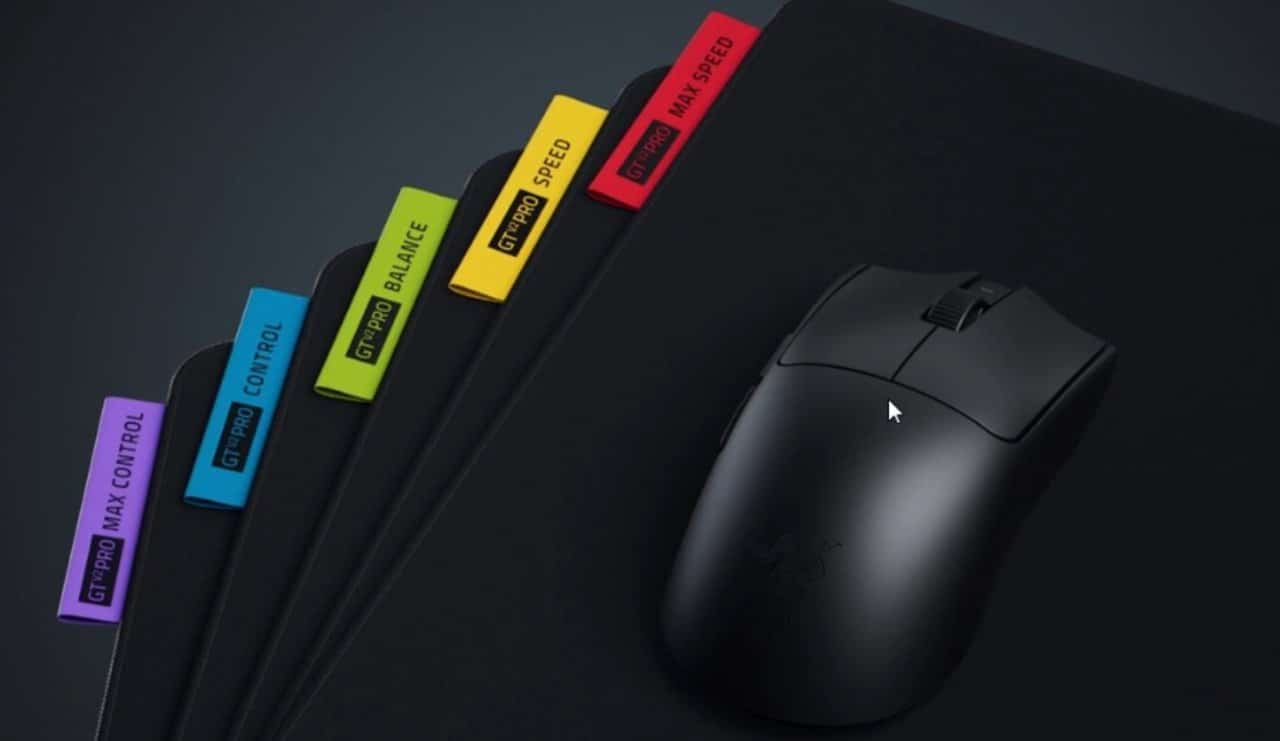
Peripheral manufacturer Razer advances in consolidating a proprietary ecosystem for the gaming market. The company uses the launch of the Razer Viper V4 Pro mouse to deepen integration between its physical equipment and software platforms. The strategic move seeks to unify the user experience. The tactic brings the company closer to the business model established by Apple in the general technology sector.
The brand’s planned architecture requires distinct components to operate in sync. The central objective is to optimize technical performance and create an exclusive usage environment. Analistas in the industry assess that the transition from isolated products to a connected network aims to increase customer retention. Fluid communication between devices takes priority over the individual power of each hardware.
Integração Technique and Specifications of Viper V4 Pro
The Razer Viper V4 Pro functions as the core of this new phase of the company. The equipment features a high-precision optical sensor and ultra-light physical structure. The manufacturer incorporated HyperSpeed wireless technology to meet the requirements of professional competitions. The device’s mechanical switches are certified to withstand intense usage routines. The quick response to commands sets the product quality standard.
The mouse’s ability to communicate with the rest of the setup represents the focus of the project. The Synapse software manages connections between the Viper V4 Pro, branded keyboards and charging docks. The program centralizes settings in a single interface. Jogadores can synchronize Chroma RGB lighting and program complex macros for different gaming profiles. Automation adapts the equipment to the specific needs of each user in real time.
Native compatibility between items from the same manufacturer reduces latency issues. Unified control reduces the time spent on technical adjustments before matches. Internal operating system standardization eliminates software conflicts common in computers with parts from multiple sources. The player directs his attention exclusively to his performance in competitions.
Business Modelo focused on user retention
The construction of a closed digital environment reflects the philosophy of total integration. Dispositivos from different categories cease to act independently. Eles now forms a network where efficiency depends on the presence of other items from the same line. The consumer’s learning curve decreases considerably. The user encounters the same configuration standards when purchasing a new headset or monitor from the company.
Essa synergy creates commercial barriers for competing brands. A customer’s transition from Razer to another manufacturer requires the replacement of multiple components to maintain the same level of automation. Advanced customization acts as a loyalty factor. The player invests time in creating specific profiles and avoids abandoning the system so as not to lose the configuration history stored in the platform’s cloud.
The high-performance market demands immediate responses and connection stability. Delivering an instability-free environment attracts consumers willing to concentrate their investments in a single supplier. The strategy guarantees recurring revenue for the company with each hardware update cycle, strengthening the brand’s position in the premium segment of electronic sports equipment.
Obstáculos commercials and criticism of the closed system
The adoption of a proprietary ecosystem generates debates about the impacts on the end consumer. The acquisition cost represents the main barrier to entry. Montar a complete setup with high standard integrated equipment requires a higher budget than the model of purchasing individual parts from different brands. Financial restrictions keep a portion of the gaming public away from unified solutions.
Especialistas in hardware points to technical limitations imposed by the format. The phenomenon known as supplier dependency reduces the buyer’s freedom of choice. The need to maintain system coherence forces users to purchase products from the same manufacturer, even when competitors offer better cost-benefit options in specific categories of peripherals.
The main criticisms of the business model involve the following operational points:
- Dificuldade of component repair outside the brand’s official assistance network.
- Incompatibilidade lighting synchronization with third-party software.
- Perda offers advanced features when connecting peripherals from other manufacturers to the same computer.
The sustainability of this format depends on the company’s ability to maintain the stability of its servers. Falhas in Synapse software updates may compromise the operation of a player’s entire set of equipment simultaneously. Reliance on a single management program requires rigorous quality control testing before each new version is made available to the public.
Expansão from the catalog and industry reactions
The manufacturer’s planning covers an extensive portfolio beyond traditional mice and keyboards. The integrated product line includes gaming chairs, high refresh rate monitors and spatial audio systems. The development of each new item takes place with a focus on direct communication with the central software. The company seeks the status of a lifestyle brand, covering all stages of the user’s digital experience in its gaming environment.
The move changes the dynamics of competition in the peripherals sector. Empresas rivals face pressure to develop their own integration platforms. The dispute stops focusing only on individual technical specifications and starts to involve the stability of digital ecosystems. The scenario forces a race for innovation in management software, requiring heavy investments in programming teams by competitors.
The gaming community has mixed reactions to the consolidation of the closed format. Grupos focused on electronic sports value the stability and latency reduction provided by equipment standardization. Consumidores focused on hardware customization criticize the loss of flexibility in assembling personalized computers. The market monitors sales volumes of the Viper V4 Pro line to measure commercial acceptance of the integrated model.





