

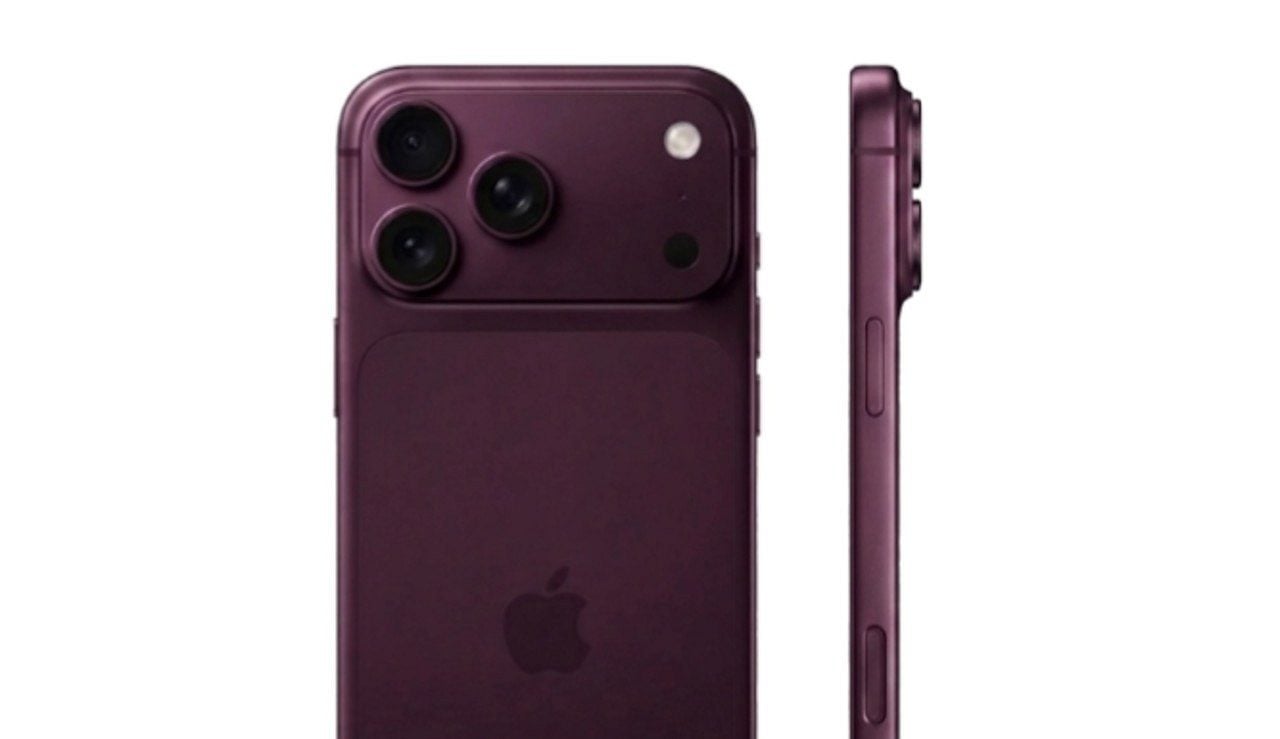
Apple is evaluating replacing the titanium coating with aluminum in the next generations of the Pro iPhone. The structural change meets the need to improve the internal cooling of the devices. Local processing of artificial intelligence tools considerably raises the temperature of components. Recent Rumores published on the Weibo platform indicate a complete overhaul of the company’s industrial planning.
The computational demands of new software functions force manufacturers to rethink physical design. Aluminum has superior heat transfer capacity compared to more rigid alloys. The move follows a trend seen across the high-performance mobile device industry. Heat management has become the main obstacle to implementing language models directly on phones.
Aluminum Propriedades favors artificial intelligence execution
The use of advanced software features requires the processor to operate at maximum frequencies for prolonged periods. Aluminum facilitates the rapid dispersion of this heat generated in the device’s core to the external environment. Thermal efficiency prevents forced reduction of chip performance. Essa technical feature puts traditional metal again as a priority in hardware development laboratories.
The choice of material directly affects the user experience during complex tasks. The profile “Fixed Focus Digital” pointed out that the cooling difficulty affects all companies in the sector. Fabricantes of Android devices and brands that use the HarmonyOS system already direct their premium designs to aluminum structures. Standardization reflects the urgency to stabilize the temperature of modern operating systems.
Titanium retains more heat in the phone’s internal structure. The difficulty in dissipation compromises the battery and the useful life of the integrated circuits. The return to aluminum represents a pragmatic engineering decision over premium aesthetics. The current priority in the mobile market focuses on the operational stability of text and image generative tools.
Diverging Relatórios points to new paths for the premium line
The recent information contradicts previous predictions about the use of metals in Apple products. The analyst known as “Instant Digital” had reported that the company was preparing new metal alloys. The original plan would involve the application of liquid metal and improved titanium composites. Essas solutions aimed to maintain the visual status of the Pro line without sacrificing tight temperature control.
The current scenario indicates the postponement of these innovations. Cutting-edge metallurgy technologies may be restricted to the future foldable iPhone. The complexity of large-scale manufacturing makes immediate adoption unfeasible. The iPhone 17 Pro should mark the definitive transition to the optimized aluminum chassis, leaving experimental materials for a second time.
The divergence between the leakers illustrates the rapid changes in the internal planning of technology companies. The development of physical parts needs to keep up with the accelerated evolution of artificial intelligence algorithms. Adaptation requires rapid responses that complex materials cannot yet provide with thermal safety.
Thermal Desempenho from previous generations prompts review
The introduction of titanium occurred with the main objective of reducing the total weight of the most expensive devices. Apple implemented the structural change from the iPhone 15 Pro. The material provided greater resistance against impacts. The iPhone 16 Pro maintained the same visual language based on the highly durable and low weight alloy.
Consumers registered complaints about the increase in temperature shortly after the launches. Heating occurred when recording high-resolution videos and playing heavy games. The company needed to release software updates to manage energy consumption. Throttling via the operating system reduces the maximum processing capacity of the device to prevent physical damage.
Maintaining titanium requires larger and heavier internal cooling systems. The physical space inside a smartphone limits the installation of robust vapor chambers. The transition back to aluminum solves the physical bottleneck without increasing the phone’s thickness. The iPhone Air must still use titanium in its specific construction, focused on extreme lightness and ultra-thin design.
Especificações techniques and the future of industrial design
The paradigm shift in the construction of smartphones involves economic and physical factors. Aluminum has a long history of reliability on the global assembly line. The supply chain masters the machining and surface treatment techniques for this metal. Reducing production costs allows investments to be redirected towards faster memories and dedicated neural processors.
The practical differences between materials define the direction of mobile engineering for years to come. The industry evaluates rigorous criteria before approving the final design of a high-value-added product.
- Aluminum offers superior thermal conductivity during peaks of intense data processing.
- The cost of machining aluminum reduces the final production value of the device housing.
- Titanium has high mechanical resistance, but acts as an unwanted thermal insulator in the chassis.
- Titanium alloys require complex chemical processes to prevent discoloration and internal overheating.
- The aluminum supplier market guarantees production volume for tens of millions of units annually.
The aluminum unibody structure should also remain standard on the iPhone 18 Pro. The forecast rules out the possibility of a quick return of titanium to the brand’s main phone category. The schedule change pushes the reintroduction of exotic metals to the year 2027 or beyond. The internal architecture of the devices will undergo a complete redesign to accommodate larger batteries and efficient heatsinks.
Engineering decisions reflect the new reality of the consumer technology market. Cloud processing loses space to executing complex tasks directly on the user’s hardware. The demand for privacy and speed forces phones to function as portable servers. The ability to keep the temperature under control defines the limit of innovation that each generation of smartphone can deliver to the public.




