Lidl withdraws Saint Alby bacon from the French market due to insufficient salt content and health risk By Jeronimo Santos
4 min read
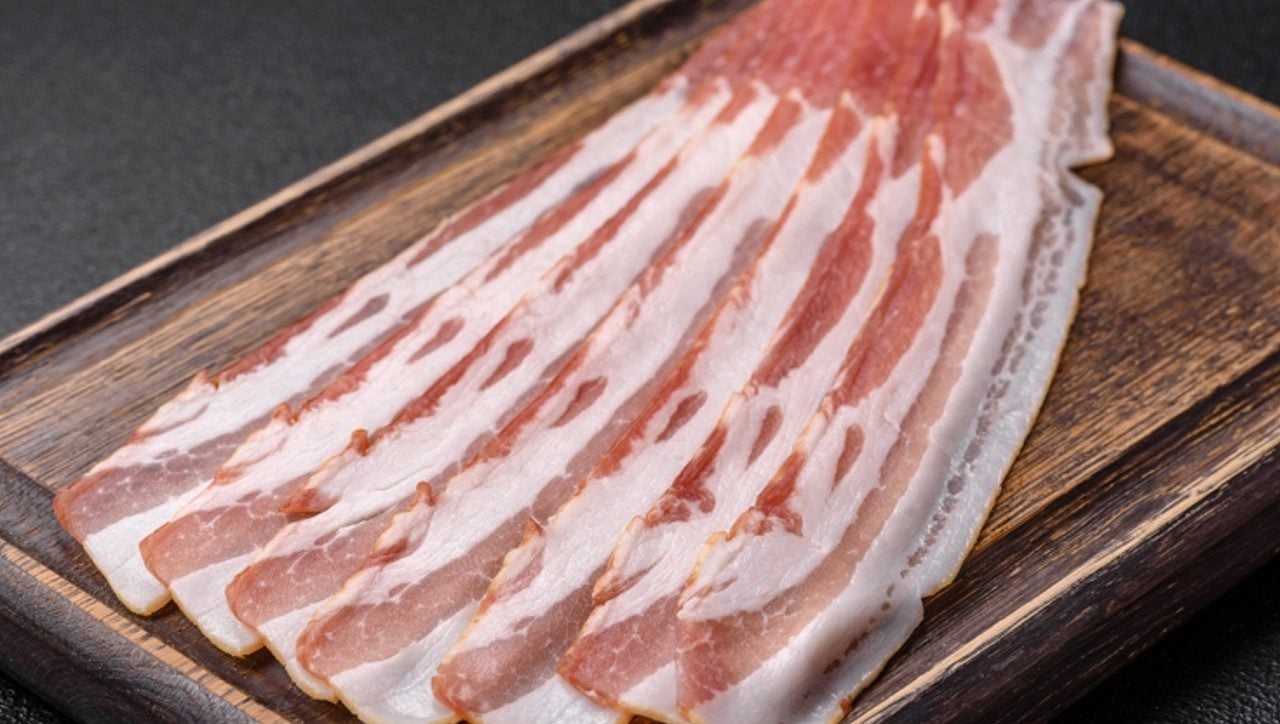 |
Lojas Lidl and França began collecting pieces of smoked bacon from the Saint Alby brand, an urgent preventive action. The measure affects products sold in all units of the retail network spread across French territory. The reason for the recall is the detection of a specific manufacturing defect, compromising quality. Essa initiative primarily aims to protect the health and safety of all consumers who purchased the item. The company proactively responds to the alert from health authorities.
Conforme the information detailed by the Rappel Conso platform, the central problem lies in the insufficient salt content contained in the product. Essa critical deficiency prevents the proper conservation of bacon, creating an environment conducive to the proliferation of harmful microorganisms. Tais conditions represent a significant potential risk to food safety and, consequently, the health of buyers. Flaws were identified in both the manufacturing and storage of the items. For this reason, the consumption of these pieces of bacon is not recommended.
Problema plant: insufficient salt and health risk
The technical analysis carried out identified that the salt concentration in Saint Alby’s smoked bacon is below established standards. Salt is a crucial component in the food industry for preserving meat, acting as an antimicrobial agent. Sua failure drastically reduces product life. Isso makes food more vulnerable to contamination and rapid spoilage.
An inadequate salt content can mask the presence of dangerous bacteria. Estas can cause anything from mild gastrointestinal discomfort to more serious illnesses. The lack of salt harms the microbiological stability of bacon. Consumidores may not notice contamination before consumption. Este scenario represents a silent but significant threat to public health.
Manufacturing and storage conditions were also questioned, contributing to insecurity. Produtos that do not follow strict hygiene and control protocols can be sources of contamination. The production chain requires constant vigilance. Garantir food safety is a shared responsibility between manufacturers and retailers.
Rappel Conso, a French dangerous product alert platform, highlighted the urgency. The official statement highlights that ingesting the collected items may pose risks. The guidance is clear: do not consume bacon under any circumstances. Precaution is the best measure to avoid complications.
Detalhes of affected lots and sales period
The recall campaign focuses on bacon pieces smoked in beech wood. The products are available in packages that contain two trays of 100 grams each, totaling 200 grams per package. The commercialization of problematic items occurred at a specific interval. Sales were recorded between April 23, 2026 and May 29, 2026.
Customers should carefully check the batch information on their packaging. The barcode common to all affected products is 20021153. Esta numerical sequence helps in quick identification of the item. Validating dates is also essential to determine whether the product is part of the recall.
- The complete list of production batches impacted by this measure includes:
- 31765/6062710
- 31764/6063573
- 31765/6063827
- 31765/6063846
- 31765/6067706
- 31765/6067733
- 31765/6068959
Esses specific batches have expiration dates that extend from May 27, 2026 to June 2, 2026. Verification of this data is essential. The supply chain and Lidl store shelves at França were the focus of distribution. The alert is for all consumers who purchased Saint Alby bacon during this period.
Procedimentos for refund and deadline
Consumers who purchased the Saint Alby brand bacon bits included in the recall are entitled to a full refund. Para To make the return and receive the money back, you need to go to any Lidl store at França. The company has set a clear deadline for this action. The deadline to request a refund is Saturday, June 13th.
Presentation of the purchase receipt is not a mandatory requirement for the refund process. The main criterion for returns is product identification. Bastam the barcode and batch number to prove the acquisition. Essa policy aims to simplify the procedure for affected customers.
Lidl emphasizes the importance of not consuming the product. The food safety of your customers is the top priority. Quick returns and refunds are part of a protocol. Essa security measure seeks to minimize any risk. Consumers must act promptly, respecting the deadline.
Communication about the recall was widely publicized. Canais official and informative reports warn about the lots in question. The objective is to reach the largest number of consumers. Quick exchange or return avoids potential health problems.
Reincidência branded Saint Alby in recalls
The current recall of Saint Alby bacon pieces does not constitute an isolated incident for the brand. In January of this year, the same brand was the protagonist of another recall action at França. Naquela occasion, the reason was the presence of undeclared allergenic substances on product labels. Essa recurrence suggests a need for an in-depth review of the manufacturer’s quality control processes.
The presence of allergens without prior warning can cause serious reactions in sensitive individuals. Casos recalls for allergens are as critical as those for bacterial contamination. Ambos represent a breach in consumer security. The recurrence of such events raises questions about compliance.
French health authorities are monitoring the situation closely. Surveillance is intensified on companies with a history of problems. The aim is to ensure that manufacturers comply with safety standards. Essas actions are essential to maintaining public confidence in food products.
Ensuring food safety is a fundamental pillar of public health. Fabricantes and retailers have strict legal and ethical responsibilities. The occurrence of multiple recalls by the same brand signals the need for structural corrections. Consumidores expect products that meet all safety and quality requirements. Transparency in these processes is vital to protecting the public.