
Apple faces 50% increase in the production cost of the iPhone 18 Pro camera with new lens

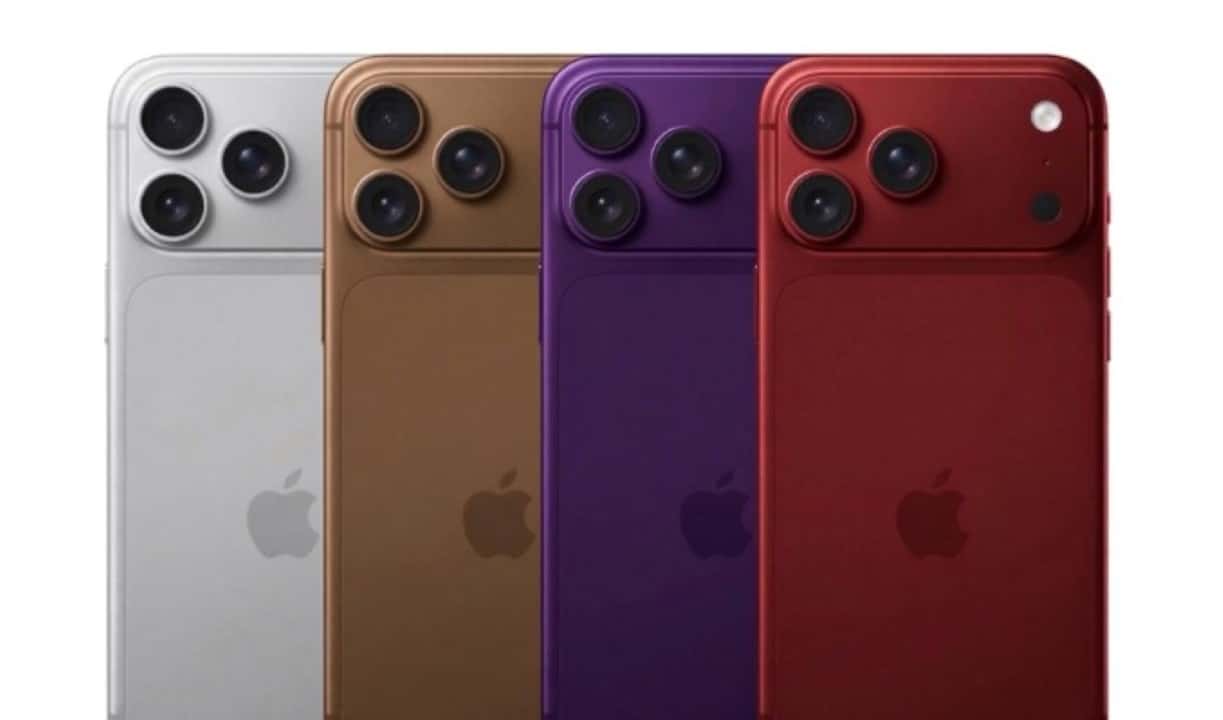
The manufacturer Apple will implement a variable aperture lens in the cameras of the future iPhone 18 Pro and iPhone 18 Pro Max models. The hardware change increases the production costs of the photographic module by 50%. The new component replaces the fixed opening standard used by the company in previous generations. The change represents a physical advance in the capture of light by the devices’ sensors.
The new mechanical mechanism reduces dependence on software algorithms for image processing. The transition requires more complex parts and increases the manufacturing budget of the Cupertino giant. Market Analistas monitors movements in the Asian supply chain to understand the impact on production volumes. The devices are scheduled to launch in fall 2026.
Transição technology in image capture modules
Supply chain analyst Ming-Chi Kuo detailed the financial impact of the new technology. The report points out that the cost of manufacturing the mobile lens exceeds the amount spent on current components by half. The Apple has maintained a constant aperture of f/1.78 on all flagship cameras for years. Fixed standard Esse has accompanied smartphones since the iPhone 14 Pro line and will continue unchanged until the iPhone 17 Pro series.
Exposure control in fixed lenses occurs to a limited extent. The amount of light that reaches the sensor and the depth of field depend on artificial interventions by the operating system. Variable aperture technology changes this scenario by allowing the physical expansion or retraction of the lens diaphragm. The user gains precise control over focus. The functionality brings mobile photography closer to the experience obtained with dedicated professional equipment.
The mechanical structure replaces the current optical assembly formed by a seven-element plastic lens. The complexity of assembling the moving parts justifies the jump in the Apple’s production budget. The company’s Engenheiros seek to optimize the device’s internal space to accommodate the new module without compromising the external design. Device thickness remains a primary technical challenge for the hardware development team.
Impacto practical in the photo quality of devices
The ability to automatically adjust the lens according to ambient lighting transforms image capture. The smartphone’s intelligent system evaluates the scene and determines the ideal aperture in fractions of a second. Physical adaptation generates superior results to digital filters applied after the click. The hardware works together with the image processor to deliver sharper photographs with greater color fidelity.
The advantages of the mechanical component stand out in three main scenarios of daily use by consumers:
- Ambientes nocturnal:The lens expands its aperture to the maximum in low-light locations. The movement allows a greater volume of light to enter the sensor and drastically reduces visual noise in the images.
- Ambientes illuminated:The mechanism retracts the opening in bright sunlight. This action prevents overexposure of the sensor and prevents the colors in the photograph from being blown out or distorted.
- Modo Retrato:Shallow depth of field occurs naturally due to the physical structure of the lens. Background blur eliminates the need for intensive use of software, eliminating inaccurate cropping generated by algorithms.
The naturalness of the physically generated bokeh effect meets a long-standing demand from the brand’s users. Computer processing often fails around hair or transparent objects during 3D mapping of the scene. The variable aperture lens solves this limitation at the root of the optical capture process. The raw quality of the light entering the sensor takes priority over subsequent digital correction.
Sunny Optical takes a leading role in the supply chain
The restructuring of photographic components moves the manufacturing sector at Ásia. Chinese manufacturer Sunny Optical emerges as a central supplier of compact camera modules for the Apple. Ming-Chi Kuo’s report indicates that the company has secured between 40% and 50% of total orders for the new variable aperture lenses. The significant share consolidates the company’s position in assembling the iPhone 18 Pro series.
The commercial partnership between the two companies goes beyond the high-cost smartphone ecosystem. Sunny Optical also manufactures cameras for the Neo MacBook computer. The equipment focuses on the entry-level segment and has a more affordable price for consumers. The laptop’s commercial performance has surprised the tech giant’s executives in recent months.
Recent supply chain data confirms the success of the portable computer in the global electronics market. Sales of the Neo MacBook handily exceeded the initial projections established by Apple. Analyst Ming-Chi Kuo reviewed industry numbers and doubled the device’s shipment forecast for the year 2026. The estimated volume jumped from 5 million to 10 million units ordered from factories.
Projeções for 2028 and strategic partnerships in the sector
Apple’s long-term planning includes radical new transformations to its photography modules. Preliminary Informações indicate that smartphones scheduled for 2028 will abandon the current encapsulation method for ultra-wide-angle cameras. The company will adopt the COB design, technically known as chip-on-board. The architecture proves to be more efficient and advanced for the miniaturization of complex electronic components.
COB technology allows the camera module to occupy considerably less physical space within the device’s chassis. Thickness reduction does not compromise the quality of the image captured by the lenses. The Sunny Optical appears as the main candidate to provide this new generation of compact sensors. The Chinese manufacturer expands its influence in the high-end hardware market and attracts new commercial partners.
Sunny Optical’s client network includes other giants in the artificial intelligence and technology sector. The company has signed contracts to supply hardware components to OpenAI. The agreement involves the development of an unprecedented smartphone and a compact mobile device focused on data processing. The movement indicates a diversification in the Asian manufacturer’s revenue sources for the coming years.
The Apple timeline points to a major event in the fall of 2026. The official unveiling of the iPhone 18 Pro and iPhone 18 Pro Max will reveal the final details of the variable aperture lens to the public. The technology market is also awaiting the announcement of the brand’s first foldable smartphone on the same occasion. The simultaneous introduction of new camera technologies and flexible screens marks a cycle of renewal in the company’s portfolio.





