
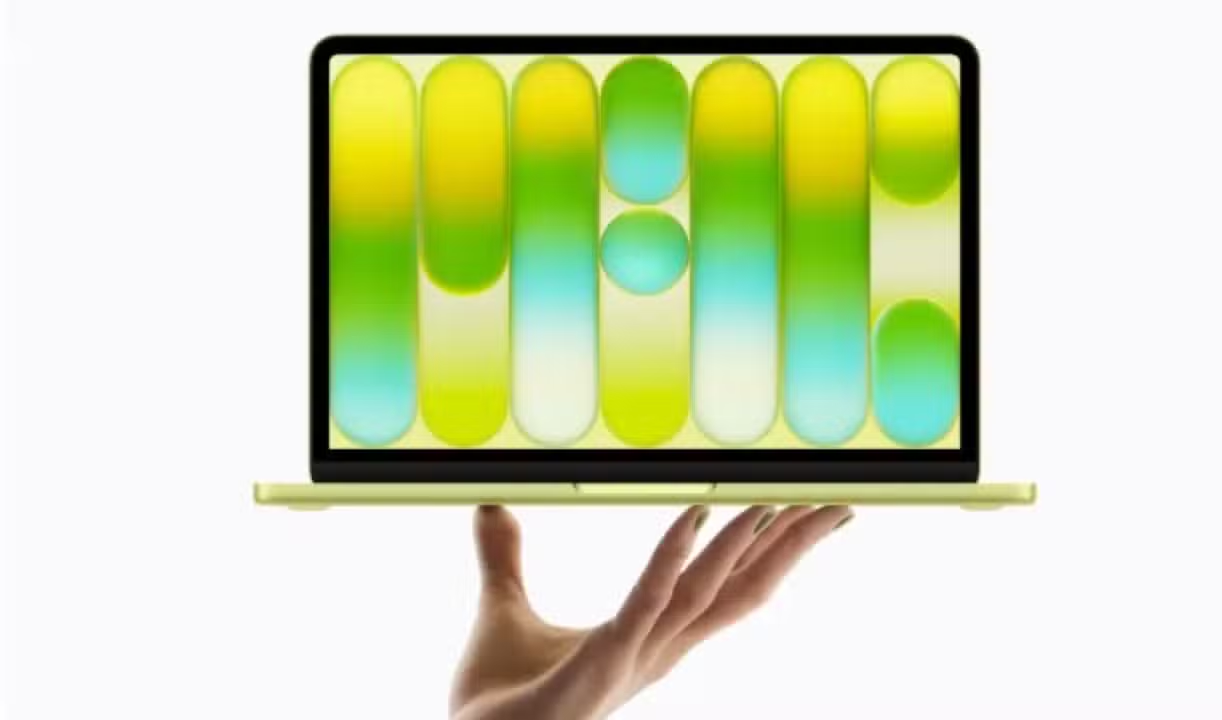
Apple officially announced the arrival of the Neo MacBook to the technology market with a starting price of $599 for the Estados Unidos. The portable device represents the manufacturer’s most affordable bet to date and integrates the A18 Pro processor, 13-inch Liquid Retina screen and structure made entirely of aluminum. The official announcement took place on March 4, 2026, with sales starting on March 11 in physical stores and digital platforms. Consumers will find the equipment available in blush, indigo, silver and citrus.
The launch establishes a new commercial dynamic in the entry-level computer segment, putting direct pressure on companies that develop machines based on the Microsoft operating system. The brand’s strategy focuses on delivering high energy efficiency, with a battery that reaches up to 16 hours of autonomy, combined with native artificial intelligence resources. Exclusive integration between hardware and software allows the base model, equipped with 8 GB of unified memory and 256 GB of storage, to perform daily tasks with greater fluidity than the category average.

Especificações techniques and performance of the new device
The A18 Pro processor acts as the central component for the optimized operation of the notebook. The absence of fans in the internal design ensures silent use. The system operates noiselessly even when running photo editing applications or intensive web browsing. The manufacturer structured the logic board to maximize energy consumption, which results in prolonged autonomy without the need for frequent recharges during business or academic hours.
Independent performance tests demonstrate that the Apple chip outperforms several x86 architecture processors in everyday activities. The superior version of the equipment has 512 GB of internal space and the Touch ID biometric sensor. Este, the most complete model, reaches retail for prices close to 689.99 dollars in configurations with discounts applied. The approximate weight of 1.2 kg makes it easy to carry daily in backpacks and bags, meeting the demands of university students and professionals who require constant mobility.
Fragmentação from the Windows ecosystem hinders competition
Notebook manufacturers that use the Windows system face structural barriers to match the cost-benefit ratio presented by the competitor. The production of a traditional computer requires coordination between multiple different companies. Essa division fragments the development process and reduces profit margins. The ecosystem depends on the supply of processors manufactured by brands such as Intel, AMD or Qualcomm, while Microsoft provides the base operating software.
The final assembly and construction of the chassis are the responsibility of companies such as Dell, Lenovo, ASUS or Acer. The separation of tasks makes quality control more complex and makes the final product more expensive when trying to use premium materials. Especialistas from the technology sector point out that Apple’s complete control over the entire manufacturing cycle allows for reduced prices. The company controls everything from the silicon design to the final user interface.
The survival of laptops with Windows in the lower price range requires that all parties involved in the production chain simultaneously agree on their deliveries. Qualquer component supply bottleneck affects the ability to rival the technology package delivered by the new $599 computer. Falhas system optimization or the use of low-durability materials also compromise the attractiveness of rival products.
Comparativo of construction and materials in the entry segment
Computers sold in the range between 500 and 600 dollars usually have visible limitations in their external finishes. Most competing models use plastic as the main housing material. The industrial choice contrasts with the resistance and thermal dissipation provided by the aluminum of the MacBook Neo. The screens also present significant differences, with the Liquid Retina panels delivering greater color fidelity and brightness compared to traditional LCD displays.
The market offers alternatives such as the Lenovo IdeaPad Slim 3x, equipped with the Snapdragon X processor, 16 GB of RAM and 512 GB of SSD storage. Este specific model is available for values close to 562.99 dollars on the Amazon platform. Apesar presents superior numerical specifications in memory and internal space, the device faces difficulties in delivering the same tactile and visual experience as the Apple equipment.
- Modelos based on Windows often sacrifice the use of premium materials to keep production costs low.
- The unified memory architecture present on the Apple chip reduces latency in data communication and improves energy efficiency.
- The laptop’s battery reaches the mark of 16 continuous hours in standardized video playback tests.
Companies that produce high-standard equipment are able to deliver excellent OLED screens and unibody chassis. The Dell exemplifies this scenario with the XPS 14 line. However, these products exceed the $2,000 mark, which alienates consumers looking for affordable technological solutions for their daily lives.
Base model Limitações and storage options
The input configuration of the new notebook computer has restrictions that require attention from buyers before purchasing. The $599 model has just 256 GB of internal storage. The cheapest version also does not include the Touch ID fingerprint reader on the keyboard. Space limitations directly affect users who work with large files or who install multiple large pieces of software.
The absence of a biometric sensor requires manual entry of passwords to unlock the system and authorize online payments. The transition to the 512GB variant resolves both issues. The upgrade adds the Touch ID and doubles the solid-state drive capacity. The set of ports and physical connections follows the line’s minimalist philosophy, prioritizing the reduced thickness of the chassis to the detriment of multiple traditional USB inputs.
High initial Demanda and projections for next generations
The first weeks after the official launch saw intense demand for the device in the main retail chains. Diversas specific configurations quickly sold out in physical stores and e-commerce platforms. The sales volume confirms the effectiveness of the manufacturer’s commercial strategy in expanding its user base. Reducing the financial barrier to entry into the Mac ecosystem attracted new consumer profiles.
The company’s engineering department has already started developing the direct successor to the current equipment. Market projections indicate that an updated version will hit shelves in 2027. The next model will possibly feature the future generation of the A19 Pro processor. The continuity of the project reinforces the brand’s commitment to maintaining a solid and competitive presence in the low-cost portable computer segment.
The introduction of this hardware definitively changes consumers’ expectations regarding what a $600 computer should offer. Microsoft’s partner manufacturers need to review their assembly lines and pricing strategies. The technological competition in the most accessible price ranges is likely to intensify in the coming months, driving a general improvement in the quality of products available in stores.