Businessman Scooter Braun details purchase of record label for US$300 million and conflict with Taylor Swift

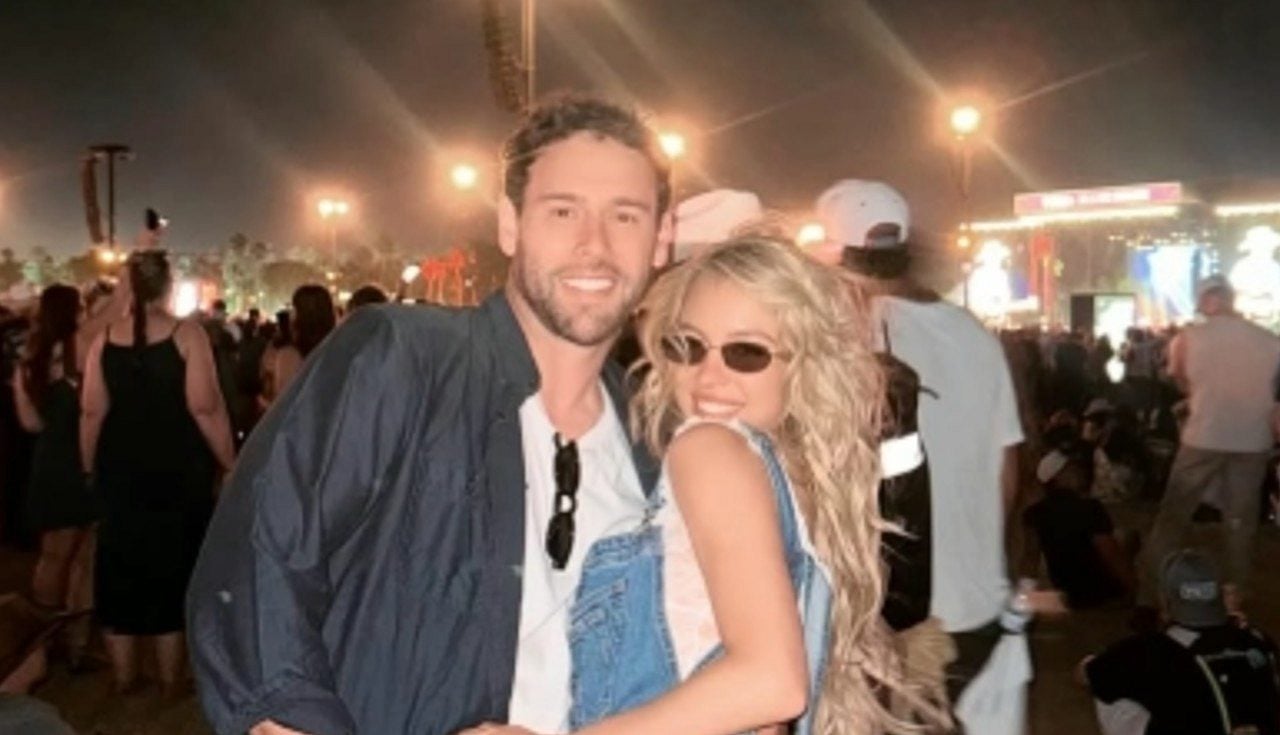
The name of music businessman Scooter Braun has returned to occupy space in the international media recently, driven by his relationship with actress Sydney Sweeney. Public attention, however, quickly turned to professional issues of the past. Durante participated in the Second Thought podcast, recorded on Thursday (28), the executive decided to address one of the most talked about episodes in the music industry in the last decade. Ele presented his version of the six-year dispute involving the rights to singer Taylor Swift’s music.
The dispute, which redefined debates about intellectual property in the music market, had its official outcome recently consolidated. On the program, Braun revealed unprecedented details about the lack of communication between the parties and the impact of the case on his trajectory. The producer stated that he only met the artist three times throughout his life. Ele assured that he never had an in-depth conversation with her before the public controversy began. The statement offers a different angle on the narrative that has dominated social media and entertainment outlets.
Aquisição from Big Machine Records and construction control
The trigger for the conflict occurred in 2019. Naquela at the time, Scooter Braun, then 44 years old, completed the purchase of the independent record label Big Machine Records. The financial operation generated around US$300 million. The deal transferred control over the original recordings, known as masters, of the entire catalog that Taylor Swift had produced to the businessman before signing a new contract with Universal Music Group.
The business transaction drastically altered public perception of the executive. Durante over a decade has built a solid and respected reputation in career agency, working directly with big names like Justin Bieber and Ariana Grande. With the purchase of the record label, his image suffered an immediate setback. The media and the singer’s fans began to portray him as an antagonist in the industry.
Antes of the billion-dollar acquisition, the relationship between the two seemed friendly, according to the businessman’s report. Braun recalled that, about three years before purchasing the catalogue, he received an invitation to a private party organized by Taylor Swift. Durante the event, the artist showed respect for his work. The producer argued on the podcast that no investor would invest US$300 million in a company that owns the rights to a global star if they did not have the desire to establish a future partnership.
Ausência dialogue and public accusations
One of the central points of the interview was the revelation about the dynamics of the negotiations. Scooter Braun assured that there was no direct contact or exchange of messages with Taylor Swift during the purchase process from Big Machine Records. The lack of prior dialogue resulted in a shock for the businessman when the singer decided to speak out publicly.
The artist’s reaction occurred through a long post on her social networks, directed to her millions of followers. Taylor Swift, who was 36 at the height of the dispute, accused the producer of appropriating his entire life’s work. Ela stated that the sale of the masters occurred without his prior consent or fair opportunity to purchase. The tone of the message generated an immediate wave of solidarity among fans and other musicians.
Além of the financial and contractual issue, the singer brought up resentments from the past. Ela accused Braun of constantly bullying and manipulating her. The complaint referred to the period in which the businessman managed the career of rapper Kanye West, with whom Swift has a long history of public disagreements. The artist expressed indignation at seeing her artistic legacy under the control of someone who, in her view, had tried to harm its trajectory.
Estratégia re-recording and fan mobilization
Sem control of his original recordings, Taylor Swift adopted an unprecedented and aggressive tactic in the music market. The singer announced the decision to re-record all albums released under the Big Machine Records label. The project, called Taylor’s Version, had a clear financial objective. The intention was to devalue the original masters held by Braun, encouraging the public and licensing companies to only consume the new versions.
The initiative covered the most successful albums from the first phase of his career. The initial acquisition had guaranteed Braun the rights to fundamental works of pop and country music. The disputed catalog included the following albums:
- Fearless
- Speak Now
- Red
- 1989
The strategy depended entirely on public engagement, which occurred massively. The singer’s fans organized digital campaigns to prioritize new tracks on streaming platforms. The collective mobilization worked. The commercial success of the re-recordings weakened the value of the original catalogue, culminating in a favorable outcome for the artist, who managed to repurchase her rights in 2025.
Impacto in the music market and copyright
The clash between Scooter Braun and Taylor Swift transcended the personal sphere and caused structural changes in the music industry. Advogados specialized in entertainment and record executives began to review intellectual property clauses. Novos artists began demanding control of their masters from the very first contract negotiations. The case served as a legal and commercial precedent on the power of mobilizing a fan base against corporate decisions.
The devaluation of a US$300 million asset through re-recordings demonstrated that the value of a musical work is intrinsically linked to the approval of the artist who created it. Investidores in the music industry have become more cautious about acquiring catalogs without the explicit approval of the original composers and performers. Swift’s maneuver has set a new trading standard in the global market.
Current Perspectiva and dispute closure
Anos After tensions begin, Scooter Braun adopts a conciliatory tone when assessing the impact of the episode on his life. The businessman declared on the podcast that he chose to extract lessons from adversity. Ele mentioned that public pressure and damaged image forced him to reevaluate his professional and personal priorities. The experience, according to him, contributed to his maturity in the current corporate scenario.
Apesar’s reflective stance, Braun admitted that certain aspects of the controversy remain confusing to him. The producer reiterated that it will be difficult for him to understand the totality of the motivations that raised the dispute to such an extreme level of public hostility. Ele highlighted that he holds no resentment and expressed his desire for the singer to continue to prosper in her career.
The formal closure of the conflict marks the end of one of the most turbulent behind-the-scenes eras in contemporary music. The resolution of the case in 2025, with the recovery of the catalog by the artist, ended the legal disputes. The episode consolidated new market practices and redefined the power relationship between content creators and financial investors.