Players demand development of new titles for PlayStation 2 franchises currently forgotten by Sony

The early 2000s represented a golden age for three-dimensional platformers on home consoles. Vibrant Títulos dominated the shelves and set new standards of interactivity for a growing consumer base. Charismatic Personagens took on the role of brand ambassadors and drove hardware sales on a global scale.
PlayStation built much of its initial identity on exclusive mascots that marked the PlayStation 2 generation. However, intellectual properties acclaimed by critics and the public ended up neglected by Sony over the last two decades. The absence of new sequences or modern recreations generates constant debates among players, who demand the rescue of franchises responsible for technical and narrative innovations in the video game industry.
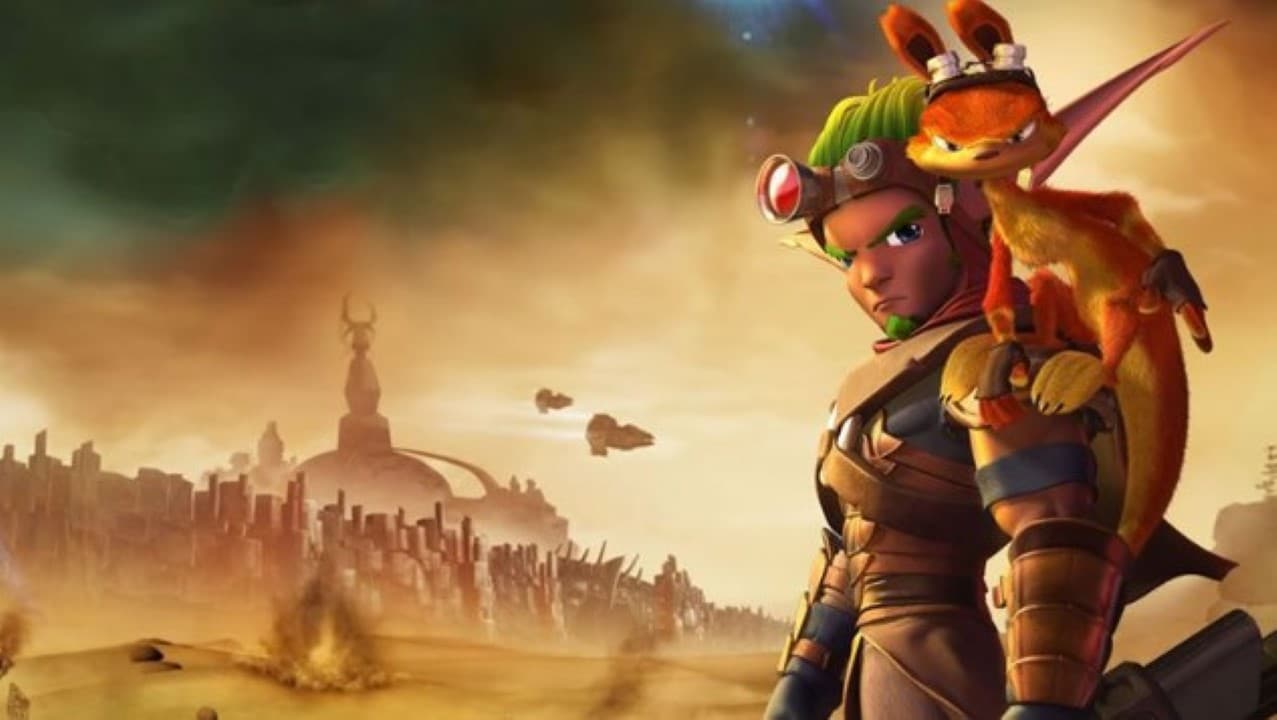
Impacto of classic franchises in brand identity
The PlayStation 2 exclusive catalog presented a diversity of proposals that helped to consolidate the company’s leadership in the market. Estúdios partners were given creative freedom to develop expansive universes and mechanics that deviated from the standard established by competing companies. Essa strategy resulted in the creation of properties that blended exploration, dynamic combat and puzzle solving in a fluid manner.
The transition to more complex three-dimensional graphics allowed developers to implement cinematic narratives within the adventure genre. The protagonists are no longer just silent avatars and gain distinct personalities, professional voice acting and development arcs throughout the campaigns. The investment in elaborate scripts created a lasting emotional connection with the public at the time.
Apesar’s initial commercial success, Sony’s shift in focus to more realistic and mature experiences in subsequent generations altered the fate of these productions. Equipes’s original developments migrated to new big-budget projects, and the colorful mascots lost space in the company’s official release calendar.
Diferenciais technicians of Jak and Daxter and Sly Cooper
Duas specific series exemplify the level of innovation achieved by the studios during the life cycle of the PlayStation 2. The productions delivered design solutions that influence the development of action games to this day. The community highlights the following characteristics as pillars of these franchises:
- Jak and Daxter introduced open worlds without visible loading screens, combining precise platforming sections with the use of varied vehicles and weapons.
- Sly Cooper established an accessible stealth system, utilizing cel-shaded cartoon aesthetics to tell stories of elaborate heists.
- The evolution of narratives followed the maturity of the audience, with sequences that adopted darker tones and in-depth combat mechanics.
The fluidity in character movement represented a significant technical advance for the hardware of the time. Precise controls ensured players had complete control over actions during challenging platforming sequences. Além Furthermore, the artificial intelligence of the enemies and the vertical design of the scenarios required different strategic approaches for each area explored.
The art direction work also ensured that the titles aged favorably compared to games that aimed for extreme photorealism. The use of vibrant colors and exaggerated animations gave a unique visual identity to each universe created. Esses aesthetic elements continue to serve as a reference for independent developers looking to rescue the essence of the classics.
Contraste with the continued success of Ratchet & Clank
The scenario of abandonment of certain properties directly contrasts with the treatment received by the Ratchet & Clank franchise. The space series has maintained a constant presence across all Sony platforms since its original debut. The release of recent titles for next-generation hardware demonstrates that there is an active consumer market for adventures that mix platforming and third-person shooters.



The survival of Ratchet & Clank was due to the responsible studio’s ability to adapt the original formula to modern demands. The introduction of cutting-edge graphics, instant transitions between dimensions, and support for advanced control features justified the publisher’s continued investment. Esse technological update model serves as an example of what could be done with other brands in the portfolio.
Fãs argue that the same level of financial and creative dedication could revitalize forgotten universes. The diversification of the exclusive catalog would offer alternatives for players looking for lighter and more direct experiences, balancing the offer of action games with dense narratives that dominate the company’s current strategy.
Alternativas for the preservation and return of securities
The gaming community suggests different paths for Sony to reintegrate these properties into the contemporary market. The production of complete recreations, known as remakes, represents the option most desired by the public. Essa approach allows the total modernization of graphics and adaptation of controls to current standards, keeping the original structure of the phases and the essence of the gameplay intact.
Outra viable alternative involves licensing brands to partner studios specialized in revitalizing classics. The video game industry records recent success stories where external teams took over the development of established franchises and delivered products that respected the original legacy. Essa strategy would reduce the workload of the publisher’s internal studios.
Enquanto unpublished projects do not receive approval, digital preservation emerges as an important palliative measure. The inclusion of original versions in subscription services and classics catalogs ensures that new generations have legal access to the works. Official emulation on modern consoles makes it easier for users who didn’t experience the PlayStation 2 era to discover these universes.
Digital Mobilização and demand for diversity in the catalog
Fóruns discussion and social networks function as the main mobilization channels for enthusiasts of these franchises. Campanhas digital and online petitions gather thousands of signatures with the aim of drawing the attention of the company’s executives. Users share gameplay clips, retrospective reviews, and concept art to keep characters relevant in search algorithms.
The demand for new releases reflects a broader desire for variety within the platform ecosystem. The concentration of resources on a small number of super productions raises concerns about the industry’s long-term creative sustainability. The revival of classic mascots would represent a positive nod to the older consumer base and an opportunity for demographic expansion.
The company’s historical collection contains commercial potential that remains unexplored in the current scenario. The reintroduction of collaborative platforming mechanics and stylized stealth would add value to the exclusives portfolio. The decision to invest in the return of these intellectual properties depends on risk assessment and recognition of the cultural weight that these titles still exert on the global gaming community.
Veja Tambem em Latest News (EN)

Italian Supreme Court confirms legality of hotel that offered only mineral water to customer

National Geographic Traveler Announces Travel Photography Contest Winners

Ferrari presents Luce, the first electric car, and receives harsh criticism from fans and the market

Yuki Yamada posts photo with beard and grimace on Instagram and surprises fans

Costco sees record demand at U.S. gas stations with lower prices

Passenger tries to enter cockpit and forces diversion of United Airlines flight to Madison

Astronomer explains white light recorded after meteor falls near volcano in Philippines

Comedian Sakamoto-chan reveals type 2 diabetes remission after lifestyle changes

Avi Loeb says discovery of alien intelligence can unite humanity amid global crises

Police investigate death of Hilde Ann Lynn Helphenstein in room at Rosewood São Paulo

Avi Loeb suggests that dark comet 1998 KY26 could be Soviet probe Phobos 1