
Xiaomi announces Redmi Pad 2 9.7 tablet and S Mini LED 2026 televisions for the European market

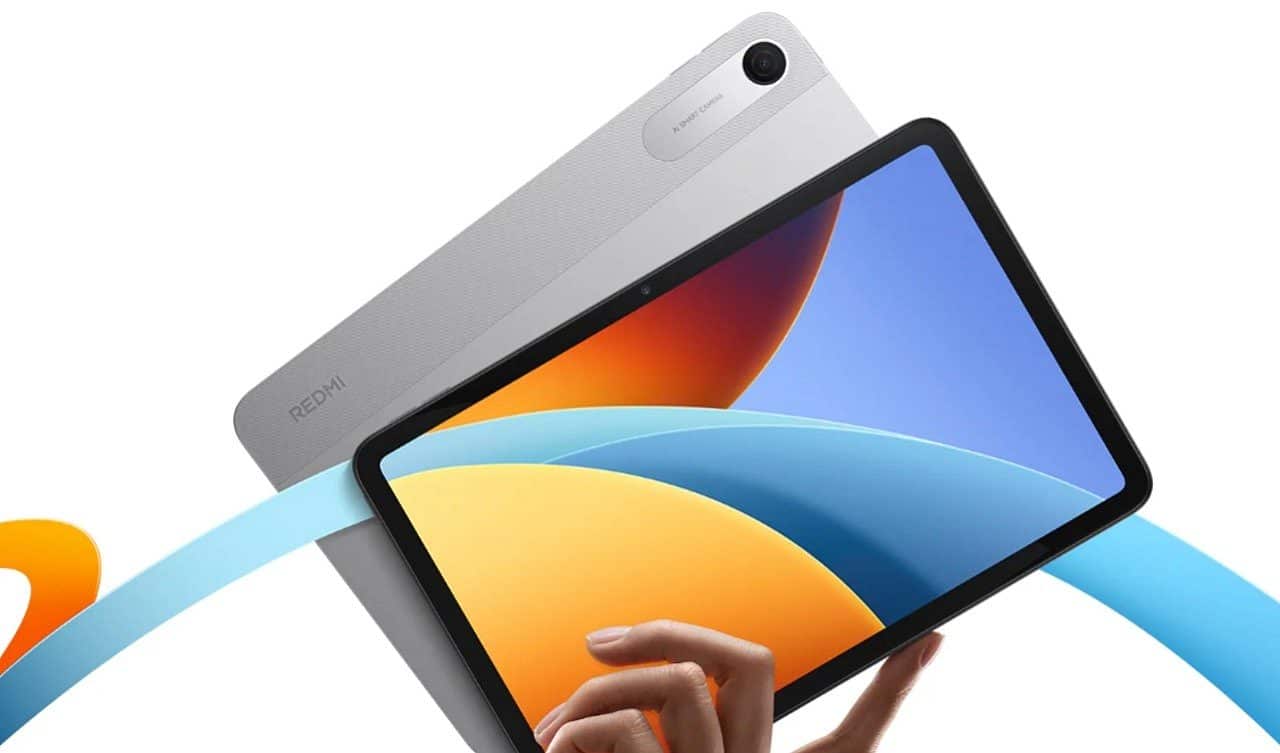
Asian manufacturer Xiaomi officially announced the arrival of two new products on the European market this Thursday. The company introduced the Redmi Pad 2 9.7 tablet and the Xiaomi TV S Mini LED 2026 range of televisions in countries as Itália. The devices end a period of sales exclusivity on the China and Malásia. The strategic move reinforces the brand’s presence in the consumer electronics segment in the West.
The updated portfolio seeks to attract consumers looking for an aggressive cost-benefit ratio. The company is betting on high-resolution screens and updated processing to compete with already established brands in the region. Especialistas from the technology sector believes that the introduction of Mini-LED panels and mid-range tablets with support for mobile networks strengthens the company’s ecosystem. Commercial expansion occurs immediately through the brand’s official channels.
Arquitetura and Redmi Pad 2 9.7 tablet performance
The subsidiary’s new tablet focuses on portability and daily media consumption. The equipment’s chassis is 7.4 millimeters thick and has a total weight of 406 grams. The front panel uses 9.7-inch IPS LCD technology and delivers a 2K resolution of 2048 x 1280 pixels. The screen refresh rate reaches 120 Hz, which guarantees greater fluidity when browsing applications and playing compatible games.
The maximum brightness of the display reaches 600 nits. Este brightness level allows you to read documents and watch videos even in environments with strong natural lighting. The device’s processing is carried out by the Snapdragon 6s 4G Gen 2 chip, manufactured by Qualcomm. The component has been tuned to balance energy efficiency with multitasking performance. The hardware works together with 4 GB of RAM in the LPDDR4x standard.
Internal storage offers 64 GB or 128 GB options in UFS 2.2 technology. Users can expand this space via MicroSD cards. Power autonomy depends on a battery with 7,600 mAh capacity, which supports an 18 W charging system. The photographic set includes an 8 megapixel rear lens and a 5 megapixel front sensor for video calls. The device also offers support for 4G mobile networks, in addition to Wi-Fi 5 and Bluetooth 5.0 connections.
Tecnologia line image Xiaomi TV S Mini LED 2026
The manufacturer’s new generation of televisions introduces QD Mini-LED technology with 4K resolution to the European market. The backlight system allows precise contrast control by dividing the screen into multiple local dimming zones. The panel’s maximum brightness peaks at 1,200 nits in the brightest scenes. O equipamento suporta os padrões HDR10+ e HLG, além de integrar o Filmmaker Mode, que desativa o processamento artificial de imagem para exibir filmes no formato original planejado pelos diretores.
The structure of the televisions caters to different consumer profiles and living room dimensions. The panel’s native refresh rate operates at 60 Hz for conventional broadcasts. However, the manufacturer implemented specific features for the gamer audience. The 55, 65 and 75 inch models use the Game Boost function to increase the frequency to 120 Hz. The larger versions, 85 and 98 inches, can reach up to 144 Hz, optimizing response time on next-generation video game consoles.
The integrated audio system uses two speakers with 15 W of power each. Larger models receive Dolby Vision certification and support for Dolby Atmos technology, which creates a three-dimensional sound environment. Toda the Mini LED 2026 S family supports Dolby Audio and DTS:X decoding formats. The software interface adopts the Google TV platform, which centralizes streaming applications and facilitates access to video-on-demand services directly from the home screen.
Integração software and intelligence capabilities
The operating system of Redmi Pad 2 9.7 is based on Android 16. The user interface runs under HyperOS 3, Xiaomi’s proprietary software designed to connect different brand devices. The platform includes the Circle to Search tool, developed by Google. The feature allows users to select any element on the screen to perform instant internet searches, without the need to switch between applications.
Connectivity between devices represents one of the pillars of the launch. The televisions natively support the Apple AirPlay and Google Cast protocols. The integration makes it easy to quickly mirror videos, photos and music from smartphones or computers directly to the big screen. The ecosystem seeks to retain the consumer within the company’s platforms, offering a seamless transition of content between the tablet and the television during home use.
Official Valores on Europa and commercial availability
Sales of new electronic equipment have already started through Xiaomi virtual stores and partner retail chains on the European continent. The price list positions the tablet in the entry-level segment, while the televisions range from the mid-range to the high-end market. The published values serve as a direct reference for local consumers, without considering import taxes to other regions.
The complete list of suggested prices for the European market includes the following configurations:
- Redmi Pad 2 9.7 with 64 GB of storage: 199.90 euros.
- Redmi Pad 2 9.7 with 128 GB of storage: 229.90 euros.
- Xiaomi 55-inch TV S Mini LED 2026: 549 euros.
- Xiaomi 65-inch TV S Mini LED 2026: 749 euros.
- Xiaomi 75-inch TV S Mini LED 2026: 949 euros.
- Xiaomi 85-inch TV S Mini LED 2026: 1,399 euros.
- Xiaomi 98-inch TV S Mini LED 2026: 2,199 euros.
The company’s headquarters has not yet released an official schedule for the launch of the Redmi Pad 2 9.7 and the Xiaomi TV S Mini LED 2026 line in the Brasil or in other América Latina countries. The European market acts as a commercial bellwether to gauge acceptance of the Mini-LED panels and Snapdragon 6s 4G Gen 2 processor ahead of possible wider global expansion.





