Apple plans to swap titanium for aluminum in iPhone Pro to cool artificial intelligence processing
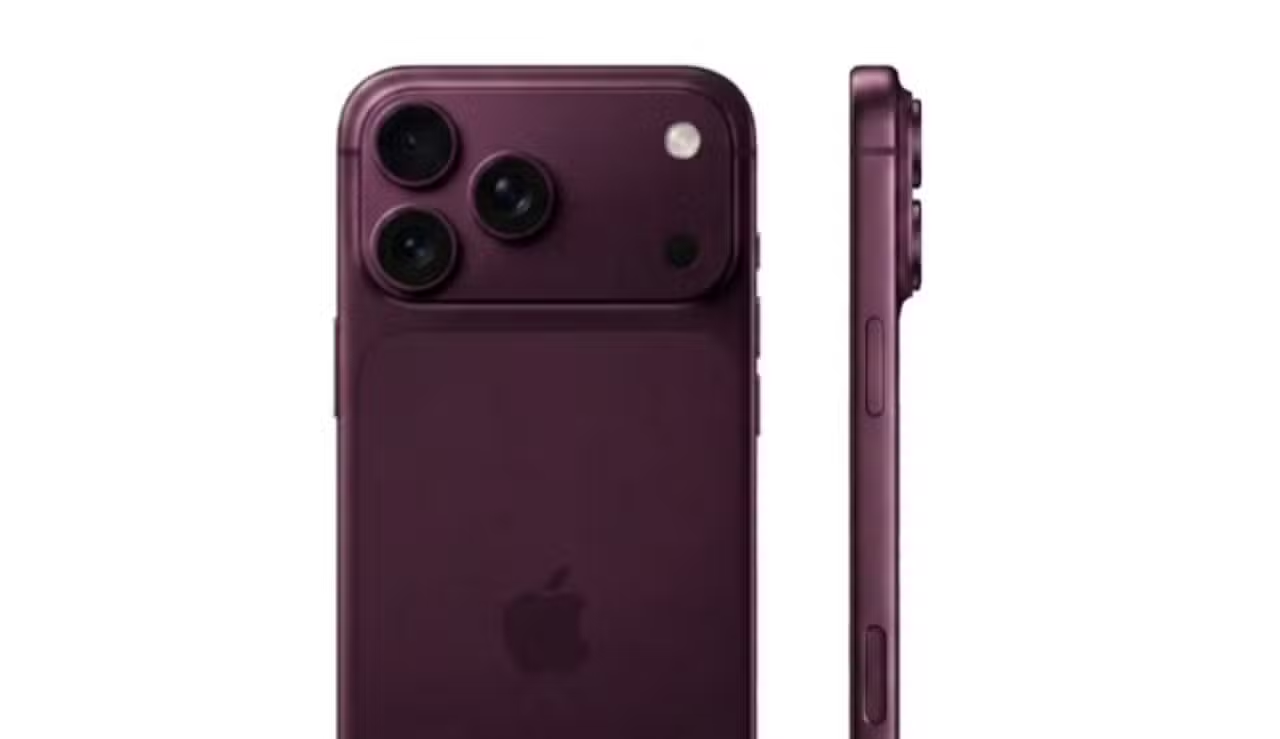
A Apple estuda substituir o chassi de titânio pelo alumínio nas próximas gerações do smartphone iPhone Pro. The design change aims to improve heat dissipation generated by the new artificial intelligence features processed locally on the device. Continuous data processing requires a more efficient thermal architecture to avoid performance throttling of internal components during daily use.
The information was released on the Chinese social network Weibo by the specialized profile Fixed Focus Digital, which follows the technology manufacturer’s supply chain. Aluminum has a higher thermal conductivity than titanium, allowing the heat generated by the processor to be transferred more quickly to the external environment. The change represents a reversal in the premium materials strategy adopted by the company in recent years to focus on system stability.
Local Artificial Intelligence Thermal Demanda
Running large language models directly on mobile phone hardware creates continuous and severe stress on the main processor. Diferente From traditional cloud server-based queries, local artificial intelligence requires the device’s neural processing unit to operate at maximum frequencies for prolonged periods to deliver real-time responses. Esse esforço computacional massivo gera picos de temperatura que o design atual tem dificuldade em gerenciar de forma passiva. A dissipação ineficiente compromete a experiência de uso e a integridade dos componentes eletrônicos.
Titanium, although it offers high mechanical resistance against impacts and allows a significant reduction in weight, acts as a thermal insulator when compared to other metals used in industry. The material retains heat in the internal structure of the device, which directly affects the useful life of the lithium-ion battery and the stability of the logic board over months of use. Aluminum, in turn, acts as a highly efficient natural heatsink, spreading the temperature evenly across the housing and protecting sensitive circuits against premature wear caused by excessive heat.
Engenheiros hardware faces the challenge of balancing the raw power of next-generation chips with the physical security of mobile devices. Quando internal temperature reaches pre-established critical limits, the operating system automatically reduces the processor speed to prevent permanent damage, a technical process known as thermal throttling. The strategic transition to aluminum seeks to delay this limiting effect, ensuring that complex artificial intelligence functions operate without noticeable interruptions or sudden drops in performance for the end user.
Histórico of materials and overheating problems
The adoption of titanium began with the launch of the iPhone 15 Pro, replacing the stainless steel used in the brand’s previous generations. A fabricante destacou a redução de peso e a durabilidade do material como os principais atrativos para o mercado consumidor. However, shortly after the product arrived in stores, reports of overheating when using heavy applications and recording videos began to emerge, forcing the company to release emergency software updates to mitigate the temperature problem.
With the iPhone 16 Pro, Apple retained the titanium chassis but implemented significant internal modifications, such as the use of metal-coated batteries and graphene plates to optimize heat distribution. Apesar of these physical improvements to the structure, the introduction of advanced artificial intelligence tools has again increased the thermal load on the system as a whole. A retenção prolongada de calor continua sendo um fator de risco estrutural para a degradação acelerada das células de energia do aparelho.



A escolha de materiais na indústria de tecnologia móvel sempre envolveu concessões complexas entre estética, peso e funcionalidade técnica. The possible return to aluminum indicates that the need for efficient cooling has overcome the commercial appeal of metals considered more noble by the marketing department. The current priority for developers is to ensure that the hardware supports the requirements of the software without compromising the long-term operational security of the equipment.
Competitor’s Movimentação and Release Schedule
The global smartphone market is already demonstrating a clear tendency to adapt to the new thermal demands imposed by neural processing technology. Fabricantes of Android devices and models based on the HarmonyOS system have begun to abandon designs with low thermal conductivity materials in their high-end lines. Essas companies are prioritizing aluminum alloys and vapor chamber cooling systems to support local artificial intelligence functions in a stable and continuous manner.
A alteração na linha de produção da Apple não deve ocorrer de forma imediata nos próximos meses. The design of the iPhone 17 Pro is already in advanced stages of finalization in factories, which makes profound structural changes unfeasible at this time in the industrial calendar. Analistas from the supply chain point out that the transition to aluminum is scheduled for the iPhone 18 Pro, scheduled for release in the coming years, or for the speculated iPhone model Air, which will focus on reduced thickness and require strict thermal control.
Impacto in smartphone engineering in 2026
- Aumento of the thermal dissipation area on printed circuit boards to accommodate more powerful neural processors.
- Redução of the physical space intended for secondary components to allow the inclusion of batteries with greater energy density.
- Substituição of insulating materials using high conductivity metal alloys in the external structure of premium devices.
- Implementação of more rigorous temperature monitoring systems integrated directly into the operating system core.
- Desenvolvimento features modular internal architectures that facilitate heat transfer away from the front panel and battery.
The evolution of cell phones into true pocket servers redefines the construction parameters of the entire technology industry in 2026. The ability to process complex data without depending on internet connections requires hardware to act autonomously, quickly and thermally safe. Temperature management has become the main physical bottleneck for innovation, limiting the speed at which new software features can be introduced into the consumer market without causing hardware failures.
Engineering decisions made in the current development cycle will shape the form and functionality of wearable devices over the next decade. The replacement of titanium by aluminum reflects a maturity in the telecommunications sector, which begins to value system stability above purely visual strategies. The success of integrating artificial intelligence into everyday life will directly depend on the physical capacity of devices to support this new workload in an invisible and efficient way for the user.
Veja Tambem em Latest News (EN)

Italian Supreme Court confirms legality of hotel that offered only mineral water to customer

National Geographic Traveler Announces Travel Photography Contest Winners

Ferrari presents Luce, the first electric car, and receives harsh criticism from fans and the market

Yuki Yamada posts photo with beard and grimace on Instagram and surprises fans

Costco sees record demand at U.S. gas stations with lower prices

Passenger tries to enter cockpit and forces diversion of United Airlines flight to Madison

Astronomer explains white light recorded after meteor falls near volcano in Philippines

Comedian Sakamoto-chan reveals type 2 diabetes remission after lifestyle changes

Avi Loeb says discovery of alien intelligence can unite humanity amid global crises

Police investigate death of Hilde Ann Lynn Helphenstein in room at Rosewood São Paulo

Avi Loeb suggests that dark comet 1998 KY26 could be Soviet probe Phobos 1