Beta update for Samsung smartwatches integrates artificial intelligence and health

The South Korean manufacturer is preparing to release the testing phase of its new interface for wearable devices. The updated operating system seeks to deepen communication between the brand’s smart watches and artificial intelligence tools. The initiative’s main objective is to restructure the mechanisms for monitoring body metrics. Users registered in the program will have early access to the software’s structural modifications before mass distribution.
The movement occurs almost twelve months after the previous generation of the system was made available. The company’s strategy involves collecting real-world usage data to refine the features under development. The update represents a fundamental step towards the manufacturer’s consolidation in the personal technology segment in 2026. The focus is on offering predictive diagnostics for consumers’ daily lives, changing the way physical data is processed and presented on the equipment’s screen.
Integração artificial intelligence in body data analysis
The architecture of the new operating system is based on the practical application of predictive algorithms. The software uses advanced processing to overcome simply displaying raw numbers, a common limitation in previous generations of wearables. The system starts to interpret the set of information collected during the day on a continuous basis. Metrics analyzed include step count, resting heart rate variations, and detailed nighttime sleep stages.
The wearable device gains the ability to cross-reference this data to generate complex behavioral reports. Sleep monitoring receives special attention in this version of the software, evaluating blood oxygenation and movement during the night. The watch identifies rest patterns and points out fluctuations in the quality of rest throughout the week. The system alerts the user about negative trends that require adjustments in routine, such as the need to change bedtimes or reduce daily stress.
The transition from a passive model to a proactive format changes the dynamics of use of technological equipment. The ability to anticipate basic physical problems raises the technical level of the product in the current market. The watch no longer acts only as a physical activity recorder and calorie counter. The device takes on the role of a wellness assistant, guiding quick interventions into the owner’s lifestyle based on concrete biometric evidence.
Aprimoramento biometric reading component technician
Software development goes in parallel with the optimization of the physical reading components built into the watch’s chassis. The manufacturer directs investments towards refining the sensor responsible for capturing vital signs directly on the user’s wrist. The piece acts as the core of the physical monitoring system in the Asian company’s equipment. The new interface requires a higher level of precision to feed the analysis algorithms with clean information without external interference.
Updated component calibration allows the extraction of new variables during intense exercise or low-impact activities. Monitoring sports activities becomes more rigorous with the reduction in the margin of error when reading heartbeats in real time. The reliability of raw data is a non-negotiable requirement for the proper functioning of embedded artificial intelligence. The system depends on accurate information to formulate behavioral diagnoses and issue recommendations relevant to the individual’s health.
The brand’s healthcare ecosystem gains strength with the close alignment between updated hardware and new software. The high precision in capturing biometric data meets a growing demand from the consumer market for reliable metrics. Users are looking for equipment capable of providing a complete overview of their general physical condition, eliminating the need for multiple devices. The manufacturer’s strategy aims to fill this gap with high-fidelity technical tools integrated into a single wrist device.



System Release Etapas and Compatible Devices
The testing schedule for the new interface follows the standard established in previous updates from the South Korean brand. The most recent equipment in the portfolio receives priority in the experimental data package distribution queue. The release occurs gradually, prioritizing strategic markets before expanding the code to other regions of the world. The controlled distribution model avoids overloading the company’s servers and facilitates the identification and correction of programming errors.
The initial phase of the testing program covers a specific group of devices and geographic locations. The first accesses to the updated system follow an order defined by the manufacturer to guarantee network stability:
- Modelos from the eighth generation line of smart watches.
- Equipamentos registered and active in Coreia’s Sul territory.
- Dispositivos sold and operating in Estados Unidos.
- Aparelhos from previous generations and users from other countries in subsequent phases.
The company adopts more extensive evaluation cycles in its recent mobile operating system updates. The extended testing policy ensures software stability before mass distribution to the general public. Owners of older models need to wait for the initial steps to be completed to access the package of new features and fixes. Caution in the update process minimizes the risk of critical failures that could render devices unusable during installation.
Perspectivas for the wearable device market
The technology market awaits the native integration of the new operating system in the brand’s next hardware launches. The manufacturer’s ninth generation of smart watches should hit the shelves with the interface already installed at the factory, eliminating the need for immediate updates. The official presentation of new equipment traditionally takes place at a global event organized by the company itself. The conference is usually held during the northern hemisphere summer, serving as a stage for major announcements in the mobility and accessories sector.
The introduction of predictive tools represents an important commercial maneuver for the company in the current competitive scenario. The intensification of competition in the wearable technology sector requires constant innovations from large global manufacturers. The focus on artificial intelligence applied to health differentiates the product in a market full of basic monitoring options. The strategy seeks to build consumer loyalty through an integrated ecosystem, where the watch communicates perfectly with the smartphone and other devices in the connected home.
The advancement of the software consolidates the company’s vision for the future of personal accessories. The convergence between massive data analysis, improved biometric accuracy and advanced algorithms dictates the pace of development in the technology sector. The smart watch is rapidly evolving to become an indispensable physical management center in daily routine. The success of this testing phase will determine the real impact of the new functions on the lives of millions of users around the world in the coming months.
Veja Tambem em Latest News (EN)

Kim Kardashian publishes first photos alongside Lewis Hamilton on a bike ride
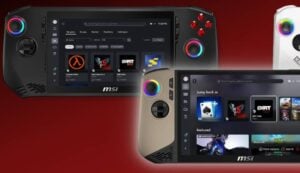
MSI Claw 8 EX AI+ is presented at Computex with Intel Arc G3 Extreme

Italy evaluates renewal of cut in fuel tax with gasoline at 2 euros per liter without discount

The Lone Gunmen celebrates 25 years as a spin-off of The X-Files with a comedic tone

PlayStation Plus Essential monthly games arrive in June with Grounded and Warhammer 40,000 Darktide

ROG Xbox Ally X20 Bundle arrives with translucent design and AR glasses for 20 years of ROG

Coronation Street dedicates episode to Alan Rothwell after original actor’s death

Preliminary agreement between Iran and the US is suspended after Israeli bombings in Lebanon

Alaskan Bush People star Matt Brown found dead in river at age 43 after disappearing

Nvidia announces Rtx Spark chip to reinvent the PC and challenge Intel and Apple

44-year-old man tries to abuse 5-year-old girl in Tyumen and is stopped by children in Russia