Businessman Scooter Braun details the behind-the-scenes of his million-dollar conflict with Taylor Swift on podcast

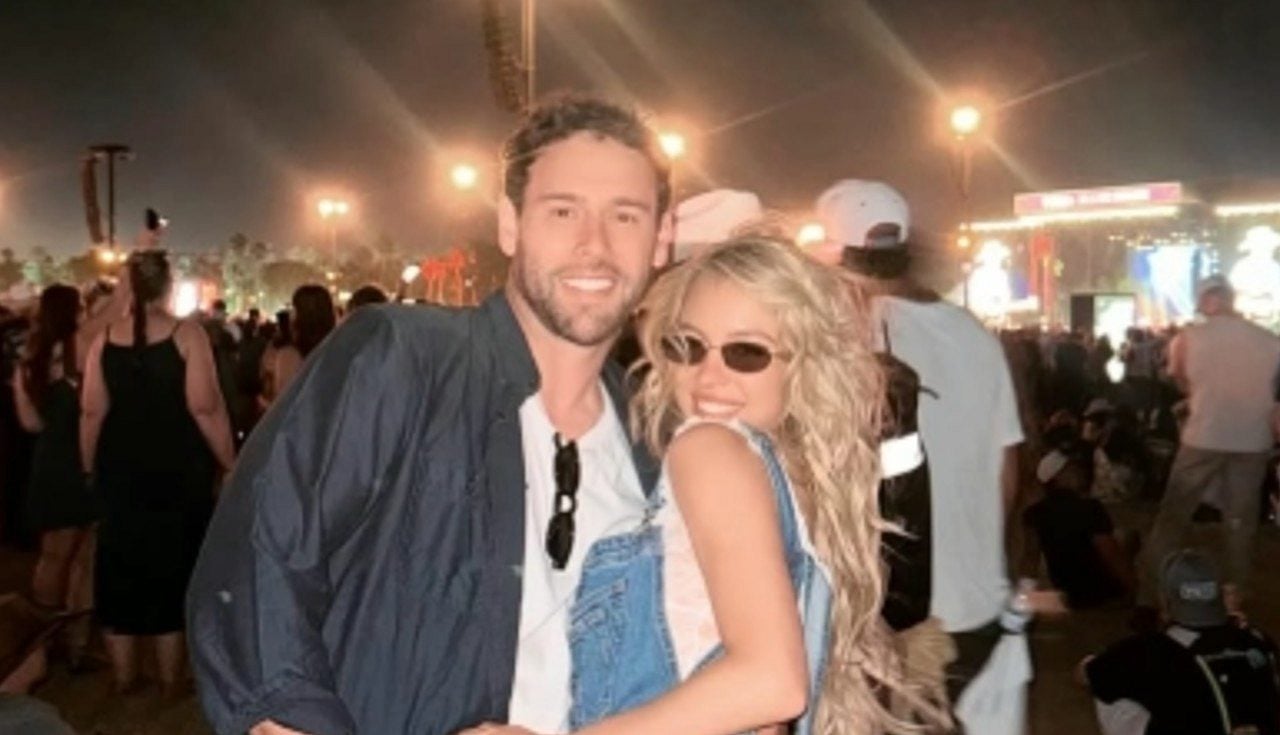
The global music market is following developments in one of the most talked about disputes of the last decade. The relationship between record executives and artists often comes up against issues of creative control and intellectual property. Esse scenario serves as a backdrop for new statements about a clash that redefined contract strategies in contemporary pop music.
Music manager Scooter Braun has broken his silence about the six-year conflict with singer Taylor Swift. Durante participated in the Second Thought podcast, recorded on Thursday (28), he detailed his perspective on purchasing the rights to the artist’s songs. Braun, who is currently dating actress Sydney Sweeney, claimed to have met the singer only three times in his life. Ele denied the existence of any personal relationship or deep conversation before the controversy that marked their careers began.
The million-dollar transaction by Big Machine Records in 2019
The origin of the impasse dates back to 2019. Naquela at the time, Scooter Braun disbursed US$300 million to acquire Big Machine Records. The financial operation guaranteed the executive possession of the original recordings of all works released by Taylor Swift before their transfer to Universal Music Group. The catalog represented the basis of the artist’s career and had an invaluable market value. In the music market, ownership of the masters guarantees control over the reproduction, distribution and licensing of tracks.
Artistas who do not hold these rights depend on the record company’s approval for the commercial use of their own compositions in advertising campaigns or soundtracks. The businessman justified the massive investment based on the potential of the collection. Ele reported that, about two years before the purchase, he received an invitation to a private party organized by the singer herself. Naquele meeting, both demonstrated professional mutual respect. Braun argued that the acquisition of the record label was aimed at a future collaboration with the artist, ruling out intentions to harm her trajectory.
Ausência dialogue and accusations of behind-the-scenes manipulation
Negotiations to purchase the record label took place without the singer’s prior knowledge. Scooter Braun confirmed the absence of direct communication with Taylor Swift during the legal procedures of the transaction. The lack of dialogue culminated in an immediate public reaction from the artist. Ela used his social networks to publish an open letter aimed at fans, criticizing the sale of his work to the executive. The practice of selling catalogs without offering the creator of the work the priority purchase option generates frequent debates about business ethics.
The case exposed the vulnerabilities of contracts signed by artists at the beginning of their careers, who often give up full rights in exchange for financing for their first releases. The singer’s demonstration brought serious accusations against the businessman’s behavior in the past. Taylor Swift stated that purchasing the masters represented the loss of his life’s work. Ela also associated Braun’s image with a history of bullying. The artist recalled the period in which the executive managed the career of rapper Kanye West, pointing out episodes of manipulation and coordinated attacks against her.
The control acquired by Braun’s company involved fundamental works for the singer’s consolidation in the international market. The list of projects retained in the negotiation included the following studio albums:
- Fearless
- Speak Now
- Red
- 1989
The retention of these titles prevented the artist from licensing the original tracks for films, commercials and other media without authorization and financial transfer to the new management of Big Machine Records. The situation forced the singer to look for legal and commercial alternatives to circumvent the blockade imposed by the new management of her old label.
Impacto commercial re-recordings and catalog recovery
The impossibility of recovering the original recordings led to an unprecedented change in the music industry. Taylor Swift started the project of re-recording all of his first studio albums. The strategy, called “Taylor’s Version”, sought to devalue the original catalog belonging to Scooter Braun. By releasing new versions with identical arrangements, the singer encouraged the public and commercial partners to exclusively consume the material under her direct control.
The engagement of the fan base ensured the financial and critical success of the re-recordings. Listeners replaced old tracks with new edits on streaming platforms. The movement drastically reduced the profitability of the original masters. Commercial pressure and asset depreciation facilitated a new round of negotiations. Esse process culminated in the repurchase of the original catalog by the artist herself in 2025, ending the dispute over phonographic rights. The singer’s victory set an important legal and commercial precedent.
Businessman’s Reflexões on the impact on public image
The clash transformed public perception of the figure of Scooter Braun. Antes recognized for his success in managing the careers of stars like Justin Bieber and Ariana Grande, the executive began to face strong popular rejection. The media narrative has positioned him as a central antagonist in the history of contemporary music. The abrupt change of image directly affected his business relationships and his reputation in the artistic world, requiring a restructuring of his business.
Apesar of the negative consequences for his personal brand, the businessman adopts a conciliatory tone when evaluating the episode. Durante the interview, he stated that he used the experience for learning and individual growth. Braun expressed gratitude for the developments, indicating that the crisis directed him to his current moment in life. The stance indicates an attempt to remove the stigma generated by the controversy with the singer’s fan base.
The executive closed the matter admitting limitations in the full understanding of the conflict. Ele highlighted the difficulty of understanding the intensity of the reaction generated by the purchase of the record label. Mesmo, faced with criticism and the loss caused by the devaluation of the catalogue, Braun expressed positive wishes for the artist’s future. The declaration marks the end of a cycle of tensions that altered the power dynamics between creators and investors in music.