

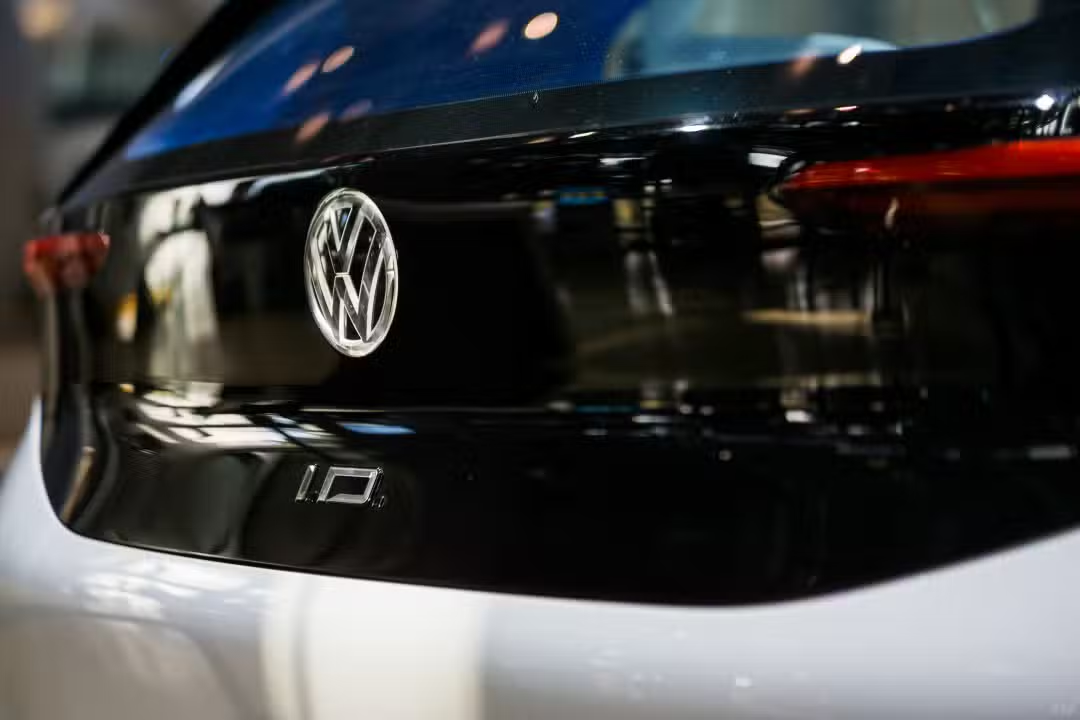
A recent photograph released on the social network X revealed the definitive contours of the next launch of Volkswagen. The compact electric model appears in the testing phase with traditional camouflage. The image features a dark background with lighting directed to highlight the silhouette of the car. The official presentation of the vehicle will take place in the coming weeks. The snap confirms the transition of the ID.2all concept to the series production version.
The German manufacturer plans to democratize electric mobility on the European continent from 2026. The magazine Auto Motor und Sport had already analyzed the similarities between the prototype and the final model. The shape of the body and the front light signature demonstrate fidelity to the original design. The new electric car seeks to reach urban consumers with an affordable value proposition. The automaker faces pressure to deliver a competitive product in the face of the advancement of Asian brands.

Arquitetura vehicle and dimensions focused on urban use
The Volkswagen engineering team developed the model on the MEB+ platform. Esta base represents a direct evolution of the modular architecture currently used in ID line vehicles. The structure allows you to optimize internal space in compact dimensions. The total length of the car reaches 4.05 meters. The measure places the vehicle exactly at the center of the urban compact segment. The use of the cabin exceeds the standards found in combustion cars of the same size.
The trunk offers capacity for 435 liters of luggage. The volume surpasses models from higher categories and meets the needs of small families. The absence of a combustion engine in the front freed up additional space for the occupants. The flat floor makes it easier to accommodate passengers in the rear seat. The MEB+ platform also guarantees greater torsional rigidity to the chassis. The practical result involves improvements in stability and comfort during highway driving.
Configurações mechanics and autonomy projections
The new model portfolio will feature different battery options to meet varied demands. Entry-level versions will use lithium iron phosphate cells. Esta chemistry reduces production costs and offers greater long-term durability. Top configurations will receive nickel-manganese-cobalt batteries. The material provides greater energy density and superior performance. The automaker projects a maximum range of 450 kilometers on a single charge in the most efficient version.
The fast charging capability is part of the vehicle’s technology package. The electrical system will support charging at high-power stations available on European highways. The waiting time to recover battery power will be significantly reduced. The electric motor will drive the front wheels. The mechanical configuration prioritizes energy efficiency in traffic in large cities. The model will also feature energy regeneration systems during braking and deceleration.
Modificações on the panel and return of physical commands
The internal design underwent in-depth revisions following consumer research. The manufacturer decided to abandon the strategy of exclusively touch-sensitive controls. The physical buttons will return to the multifunction steering wheel and center panel. The change addresses complaints about the difficulty of operating basic functions while the vehicle is in motion. Air conditioning control and audio system volume adjustment will receive direct analog commands. Ergonomics once again became a priority in the development of the cabin.
The digital environment maintains its prominence through two high-resolution screens. The instrument panel positioned in front of the driver is 10.25 inches. The display shows speed data, energy consumption and navigation instructions. The multimedia center occupies the center of the panel with a 13-inch screen. The equipment concentrates entertainment and connectivity systems. The operating software has received updates to ensure faster responses to user commands.
- Basic Configuração focused on cost-benefit and energy efficiency for fleets and urban drivers.
- Mid-range Versão with expanded driving assistance package and exclusive alloy wheels.
- Variante sports car with the GTI nomenclature, high-performance engine and visual details in red.
Integration with smartphones will occur natively and without the need for cables. Engineers added new fast charging ports for mobile devices in the cabin. The interior finishing will use recycled materials to replace conventional plastic. The initiative is part of the plan to reduce the carbon footprint during the manufacturing process.
Estratégia commercial and production in the Iberian peninsula
The starting price of the vehicle is set in the range of 25,000 euros. The value represents an important milestone for the commercial viability of electric cars at Europa. Volkswagen will concentrate the manufacturing of the model in its facilities at Espanha. The factories located in the Martorell and Navarra regions will receive the necessary investments to adapt the assembly lines. Local production reduces logistical costs and ensures rapid supply to the main markets on the continent.
The vehicle naming strategy still generates internal debates within the company. The company’s management is considering abandoning the ID acronym for this specific model. The name Polo appears as the main candidate to name the new car. The use of an established brand facilitates acceptance of the product by the traditional public. The energy transition requires products that give consumers confidence. The rescue of historical names helps to build a bridge between the combustion past and the electric future.
Cenário competitive and environmental goals of the automotive sector
The launch comes at a time of intense transformation in the global automotive industry. The European market imposes strict pollutant emissions rules for the coming years. The provision of affordable electric vehicles becomes mandatory to avoid billion-dollar fines. The new Volkswagen compact will face direct competitors developed by French and Italian brands. The massive arrival of Asian automakers with low-cost products accelerates the need for quick responses from traditional manufacturers.
Public charging infrastructure follows the growth of the electric fleet. European governments expand subsidies for installing chargers in residential and commercial areas. The commercial success of the new model directly depends on the ease of recharging on public roads. Volkswagen maintains partnerships with energy companies to expand the supply network. The 25,000-euro car project defines the brand’s future in the entry-level segment. The impeccable execution of this plan guarantees the automaker’s survival in the new era of sustainable mobility.