Nintendo reveals new hybrid console and prepares launch of Zelda: Ocarina of Time remake

Nintendo has officially confirmed the development of its next hybrid console, equipment that will replace the company’s current platform in the global video game market. The announcement ends months of speculation in the technology sector and includes the reveal of a full remake of the Zelda game: Ocarina of Time, scheduled to hit stores alongside the new device.
The new device maintains the focus on the fluid transition between portable use and connection to high-resolution televisions. Analistas finances monitor the impact of the decision, while the manufacturer has already communicated with commercial partners about the strategic changes in marketing campaigns. The hybrid format has consolidated the brand’s position in the last decade and serves as the structural basis for the new generation.
『제르다의 시대의 오카리나』의 메자리메이크특,
(소스:https://t.co/Isv8LRAJxQ) pic.twitter.com/NQfhSRF9CE
—चर्चाफिल्म (@चर्चाफिल्म)2026년 3월 27일
Especificações techniques and architecture of the new hardware
The initial model of the device features an 8-inch LCD screen with reduced bezels. The physical size of the device has undergone a slight increase compared to previous models. The change aims to improve ergonomics during prolonged use. Internal engineering prioritized energy efficiency and battery durability. The cooling system features silent fans and copper heatsinks, designed to withstand continuous intense processing sessions.
The mainboard uses a custom ARM architecture to maximize gaming performance. Integration with Nvidia’s DLSS technology allows for increased resolution through artificial intelligence. The feature automatically optimizes visual fidelity. The console delivers sharper graphics and higher frame rates when connected to the television. The manufacturer guaranteed full backwards compatibility with the previous generation digital library. Users can migrate their accounts and purchases directly and at no additional cost.
The external design preserves the visual identity known to consumers, facilitating immediate adaptation. A version with an OLED screen is part of the company’s future planning, but the standard model leads the initial launch. External Desenvolvedores have already received software access kits to adapt their projects to the new processor. The operating system interface has undergone a complete redesign, offering more agile navigation between menus.
Desenvolvimento from remake and graphics optimization
The game Zelda: Ocarina of Time returns to the market 28 years after its original release in 1998. The title has been rebuilt from scratch on a state-of-the-art graphics engine, taking advantage of the processing power of the new hardware. The programming team expanded the scale of the forests, mountains and temples present in the original map. The project remained under strict secrecy during the years of development to prevent the leakage of industrial information.
Object physics and character animations have received major updates to meet current industry standards. The original audio files went through a remastering process with orchestral recordings. The change significantly increases the sound quality of the work. The combat system gained new action mechanics, maintaining the basic elements that characterize the franchise. The enemies’ artificial intelligence has been completely rewritten to offer more complex challenges.
Performance tests demonstrate practical results of the new architecture during software execution. Developers have focused efforts on eliminating technical bottlenecks common in open-world games. The engineering team established strict guidelines for the smoothness of the experience.



- The game runs at 60 frames per second stably in any console usage mode.
- The day and night cycle uses dynamic lighting that casts shadows in real time over the scenes.
- The fast travel system works without loading screens due to the read speed of the internal storage.
The QA team performed final code tuning over the past few weeks. Technicians eliminated visual flaws before definitive recording on physical media. The simultaneous sale of software and hardware generates strong commercial appeal. The strategy repeats the historical industry pattern of using a big title to drive adoption of a new device. The marketing department prepares global campaigns to highlight this technological integration.
Estratégia production and component management in Ásia
The factories located at Ásia operate at maximum capacity. The objective is to meet projected global demand for the launch. Nintendo began purchasing components and memory chips months in advance. The preventive strategy avoids the shortage of parts that frequently affect the technology sector. The stability of the retail price directly depends on the production volume achieved in these industrial facilities.
Assembly lines follow strict security and intellectual property protection protocols. Equipes surveillance monitors factory floors to prevent the leak of unauthorized images of the finished device. The company rented extra temperature-controlled warehouses to store the finished consoles. The measure prepares the infrastructure for the high initial demand predicted by market analysts. The workers underwent specific training to handle the new materials.
Logistics planning involves complex negotiations with raw material suppliers and international transport companies. The manufacturer has entered into long-term contracts to ensure the continuous flow of essential supplies. The schedule takes into account trade routes and customs procedures in different countries. Global coordination requires daily communication between headquarters at Japão and regional distribution agencies.
Logística Global and Distribution Rules for Retail
Consoles are transported by sea and air. The operation uses companies specialized in high-value-added cargo. The company has defined priority routes for América from Norte, Europa and América Latina. Logistics requires exact synchronization between distribution centers and local carriers. The packaging uses recyclable materials in compliance with 2026 environmental laws. The reduction in the use of plastics reflects the company’s new sustainability guidelines.
Large retail chains signed confidentiality agreements to receive initial batches of the product. A trade embargo prohibits any sales before the official date. The rule ensures a uniform impact on launch day across all territories. Physical stores prepare specific promotional materials and wait for the official release of the design to start pre-sale campaigns. End consumer prices remain under contractual confidentiality.
The financial sector projects a high volume of transactions in the first weeks of the device’s availability. E-commerces tune their database servers to support massive concurrent user traffic. Physical stores reinforce local stock to serve buyers directly. The operation mobilizes thousands of sales, logistics and technical support professionals around the world. The arrival of the new equipment redefines the competitive environment in the electronic games industry.
Veja Tambem em Latest News (EN)

Italian Supreme Court confirms legality of hotel that offered only mineral water to customer

National Geographic Traveler Announces Travel Photography Contest Winners

Ferrari presents Luce, the first electric car, and receives harsh criticism from fans and the market

Yuki Yamada posts photo with beard and grimace on Instagram and surprises fans

Costco sees record demand at U.S. gas stations with lower prices

Passenger tries to enter cockpit and forces diversion of United Airlines flight to Madison

Astronomer explains white light recorded after meteor falls near volcano in Philippines

Comedian Sakamoto-chan reveals type 2 diabetes remission after lifestyle changes

Avi Loeb says discovery of alien intelligence can unite humanity amid global crises

Police investigate death of Hilde Ann Lynn Helphenstein in room at Rosewood São Paulo
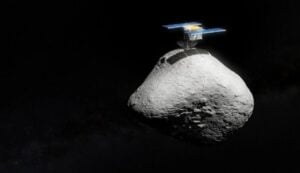
Avi Loeb suggests that dark comet 1998 KY26 could be Soviet probe Phobos 1