Scientists find living microorganisms in Enigma Lake under Antarctic ice

Cientistas detect microorganisms in Lago Enigma under the ice of Antártida. The discovery occurred in a lake previously considered completely frozen. Institutions Pesquisadores, Itália, Austrália, and Estados Unidos mapped the presence of liquid water and microbial life in extreme conditions. The lake is buried under a thick layer of ice. The samples revealed communities of bacteria adapted to the harsh environment.
The research used penetrating radar and drilling carried out between 2019 and 2020. The results challenge previous assumptions about subglacial lakes on the continent. Water remains liquid even with temperatures reaching -40.7 °C on the surface. Essa stability allows the existence of microorganisms. The finding opens new perspectives for studies on life limits in Terra.
Lago Enigma reveals liquid water at depth
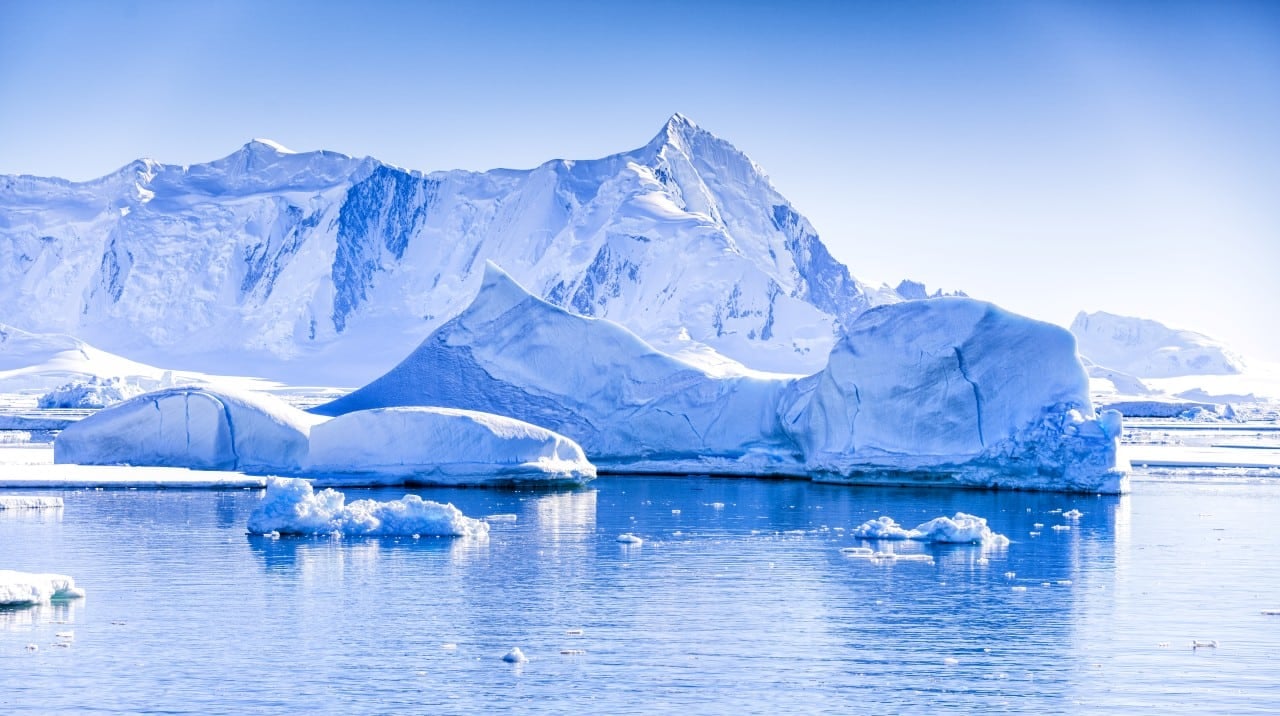
Lago Enigma remained covered in permanent ice. Pesquisadores identified a significant body of unfrozen water. The liquid layer extends to depths of up to 22 meters in some places. Ground-penetrating Radar helped map the structure. Equipes collected samples at different drilling points.
Extreme temperature does not prevent the presence of water. Fatores as pressure and possible influx of meltwater from a nearby glacier contribute to the phenomenon. Imagens underwater documented the environment at the bottom of the lake. The research confirmed that the ecosystem is not just a thin surface layer.
- Perfuração DP#2 reached 9.3 meters deep
- Ponto DP#4 reached 22.5 meters
- Amostragem DP#C22 collected at 22 meters
- Observação meltwater inflow from Geleira Amorfa in January 2020
- Análises chemicals showed stratified oligotrophic water
Colaboração International Drives Results
Instituições from three countries participated in the effort. Instituto Nacional of Pesquisa Polar of Itália, Universidade of Tasmânia and Universidade of Alasca joined the team. David Pearce, a specialist in environmental biology, and Michael McClung, a glaciologist, served in prominent positions. Field operations took place during XXXV Expedição Antártica Italiana.
Cientistas performed clean drilling to avoid contamination. The collected material underwent detailed laboratory analysis. The partnership made it possible to combine radar, drilling and genetic sequencing technologies. Resultados were published in a specialized scientific journal.
Patescibacteria dominate in some layers of the lake
The samples revealed a marked presence of ultrasmall bacteria from the Patescibacteria superphylum. At certain points, these organisms represented more than 50% of the microbial community. Eles have reduced genomes and depend on interactions with other microorganisms. Outros identified groups include Pseudomonadota, Actinobacteriota and Bacteroidota.



Essas bacteria adapt to conditions of low nutrient availability. The lake’s oligotrophic environment favors organisms with efficient survival strategies. The discovery contrasts with better-studied Antarctic lakes, such as those in McMurdo’s Valleys, where Patescibacteria does not appear with the same frequency.
Estabilidade water chemistry draws researchers’ attention
The water in Lago Enigma maintains a stable composition despite prolonged isolation. Cientistas observed possible melting contribution from Geleira Amorfa. Esse influx would help renew liquid volume. Imagens from January 2020 recorded a sudden increase in surface water flowing into the lake.
The phenomenon raises questions about hydrological cycles beneath the ice. Pesquisadores continue to investigate the exact origin of chemical stability. Essa feature makes the lake an interesting model for other extreme environments.
Implicações to search for life on other celestial bodies
The Lago Enigma ecosystem offers analogies for subsurface oceans on moons like Europa, from Júpiter. Astrobiólogos follows the findings with interest. Organismos that survive without sunlight and at high pressure expand the concept of habitability. The research did not detect complex life, but it reinforces microbial resilience.
Futuras space missions can use this data as a reference. The Antarctic continent continues to provide opportunities to understand processes occurring far from Terra.
Veja Tambem em Latest News (EN)

New Anker 300 W and 26,250 mAh portable battery hits the Chinese market with high compatibility

Disney confirms releases of Avatar 4 and 5 for 2029 and 2031 after sales of Fire and Ash

James Webb Telescope maps web of primordial gas that connects galaxies after the Big Bang

Taylor Swift announces original song “I Knew It, I Knew You” for Toy Story 5

Scott Pelley accuses CBS News boss of murdering 60 Minutes in staff meeting

Civil Police investigate suspicious death of American Hilde Ann Lynn at the Rosewood São Paulo hotel this Sunday

Famous TikToker’s father denies embezzling millions from daughter Charli D’Amelio

Tottenham seeks definitive agreement with Manchester City to buy Brazilian Savinho

Chrysalis spacecraft concept proposes 400-year journey with 2,400 people to Proxima Centauri b

Former Rockstar artist guarantees that Crimson Desert rivers surpass Red Dead Redemption 2
Tottenham opens talks with Manchester City to sign striker Savinho