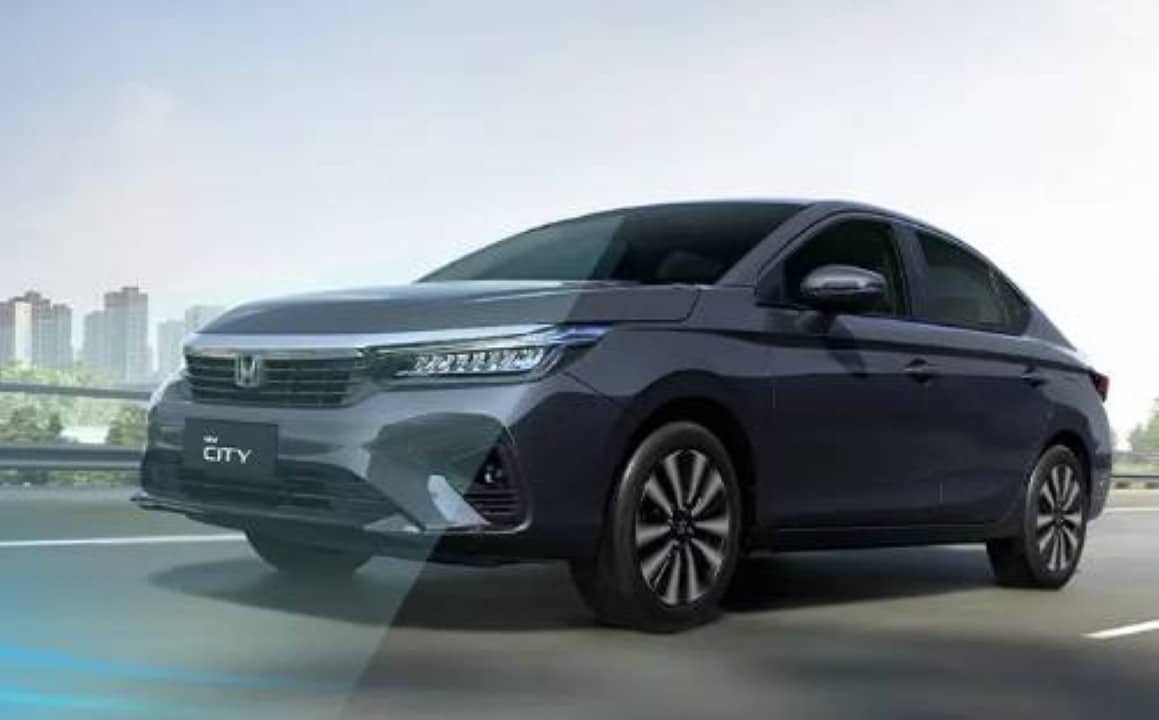
Honda launched the City 2026 facelift with design adjustments and new equipment. The Hyundai Verna maintains a strong presence with engine options and advanced technology. Ambas targets buyers looking for comfort, safety and good value for money in the Indian market.
The duel between these models shows how each one meets different usage profiles. Enquanto one prioritizes refinement and efficiency, the other focuses on performance and extra resources.
Diferenças price and market positioning
The Hyundai Verna starts from 10.98 lakh rupees for the base model. The Honda City 2026 starts at around 12 lakh rupees. Essa initial difference of over a lakh favors Verna for those looking for more affordable entry.
At the top of the line, the gap widens. The City with a strong-hybrid system reaches prices close to 21 lakh, while the Verna turbo is around 18.4 lakh. The intermediate Versões of the two is close in cost.
- Verna offers lowest starting price
- City compensates with hybrid engine in high versions
- Diferença up to 2.6 lakh at the top of the range
- Average Modelos with equivalent values
Compradores for fleets or daily urban use tend to look more towards the Verna. Quem runs long distances evaluates City’s hybrid package.
Dimensões show trade-offs between space and drivability
The City 2026 measures 4,594 mm in length, 29 mm longer than the Verna. Isso makes it the longest of the match. However, the 2,600 mm wheelbase is 70 mm below the rival’s 2,670 mm.
The Verna has an advantage in terms of trunk with 528 liters compared to 506 for the City. Ela is also wider by 17mm. The City gains in height.
Essas measurements affect internal space. The Verna tends to offer more legroom in the rear seat thanks to its longer wheelbase. The City focuses on stability at higher speeds.
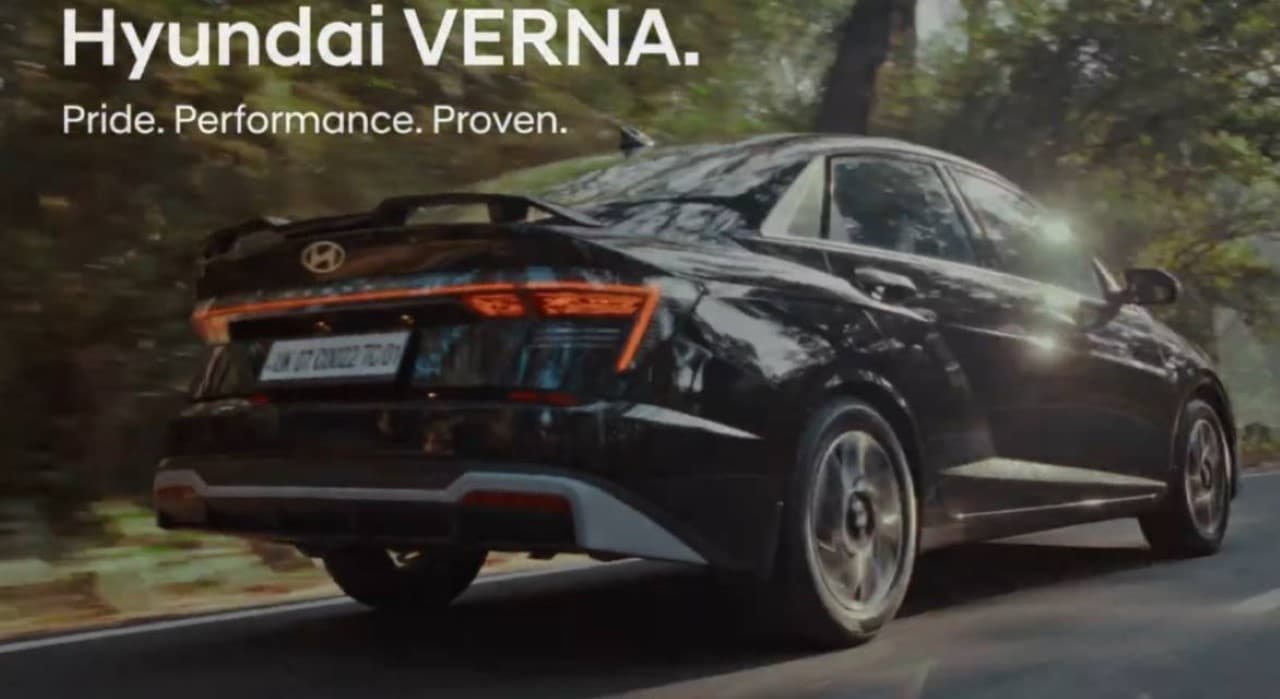
Equipamentos and technology share preferences
Ambas features full LED headlights, 16-inch alloy wheels, sunroof, wireless charger and wireless connectivity for Apple CarPlay and Android Auto. The list of standard items gets much closer after the City facelift.
The Verna stands out with a 10.25-inch full digital cluster and Bose audio system. Ela also features ventilated front seats with electrical adjustment for the driver. City maintains some manual adjustments at this point.
Ambas offer level 2 ADAS, six airbags, 360-degree camera and stability controls. The Verna adds front parking sensors in more versions.
Motores and performance options define usage
The City features a 121 hp 1.5 aspirated engine and a 145 Nm. Há is still the strong-hybrid version with a combined 126 hp and torque of 253 Nm, which delivers excellent consumption above 20 km/l in real use.
The Verna offers two engines. The aspirated 1.5 delivers 115 hp. The 1.5 turbo generates 160 hp and 253 Nm, the strongest in the segment. Isso pleases those looking for livelier acceleration and a fun manual transmission option.
- City: focus on smoothness and low consumption with hybrid
- Verna turbo: superior performance for the road
- Ambas with manual and automatic CVT or DCT
- Híbrido exclusive to City in the segment
The Verna turbo DCT gearbox delivers faster shifts in sport mode. The City prioritizes comfort and silence in the cabin.
Qual sedan to choose depends on the buyer’s profile
Quem runs a lot in the city and values fuel economy tends to prefer the City, especially the hybrid. The proven mechanical assembly of the Honda also weighs in when it comes to resale.
Motoristas who want more excitement behind the wheel, flashy technological features and a lower starting price lean towards the Verna. The turbo offers performance that the City does not deliver.
Ambas are solid options in the segment. The test drive remains essential to define which one best suits daily use.