
Developer postpones The Witcher 4 to 2029 and confirms new expansion for The Witcher 3 for 2027

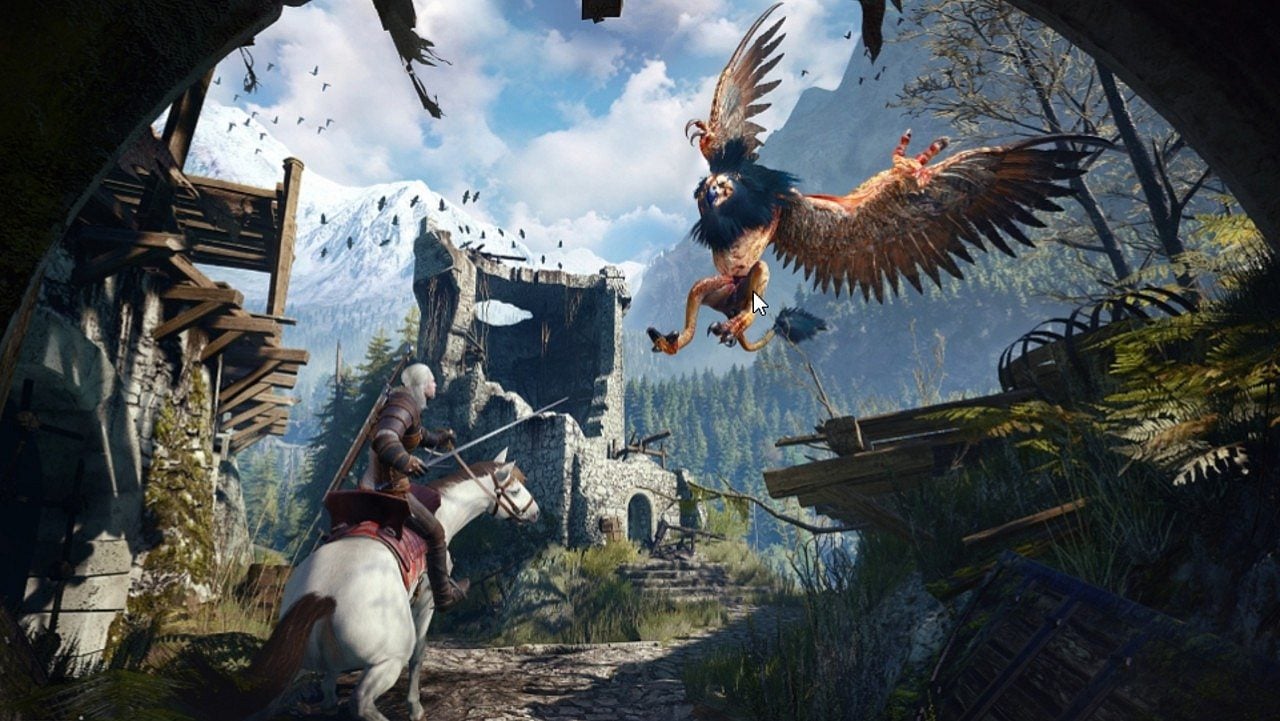
CD Projekt Red has restructured the release calendar for its main RPG franchise for the coming years. The Polish developer confirmed that the long-awaited The Witcher 4, known internally by the codename Project Polaris, has suffered a significant delay and is now expected to hit the market only between 2028 and 2029. The decision alters the company’s original planning, which sought a shorter production cycle after its last large-scale projects.
Para fill the long gap in the calendar and maintain community engagement, the studio has revealed a surprise for fans of the series. The Witcher 3: Wild Hunt will receive an unprecedented expansion, scheduled for the year 2027. The additional content will serve as a narrative bridge between the original trilogy and the new saga currently in development, offering players one last opportunity to explore the universe with familiar elements before the franchise’s change of focus.
Despedida of Geralt of Rivia and focus on the current generation
The new expansion for The Witcher 3 promises to definitively end the arc of the main character that has accompanied players since the first title. The narrative will feature new missions, additional explorable areas and developments that set the stage for the events of The Witcher 4. The studio treats the project as a great tribute to the fans who kept the game high on the sales charts even years after the original launch in 2015.
An important technical detail about the new content is its exclusivity for newer hardware. CD Projekt Red confirmed that the expansion will not be available for last generation consoles. Development focuses exclusively on modern platforms to ensure maximum performance, frame stability and visual fidelity without processing bottlenecks.
- PlayStation 5
- Xbox Series X and Series S
- High performance personal Computadores
The exclusion of PlayStation 4 and Xbox One reflects a change in the company’s stance towards supporting older hardware. Attempting to optimize massive games for consoles with technical limitations has resulted in serious problems in the studio’s recent past. Agora, the engineering team has complete freedom to use advanced processing and fast loading features present in current generation SSDs, without the need to compromise the artistic vision of the original project.
Technological Transição and adoption of Unreal Engine 5
The main reason given for the postponement of The Witcher 4 involves the developer’s internal technological restructuring. CD Projekt Red has decided to abandon its proprietary graphics engine, REDengine, which was extensively used in the creation of The Witcher 3 and Cyberpunk 2077. The company has signed a long-term strategic partnership with Epic Games to use Unreal Engine 5 in all of its future big-budget releases.
Changing graphics engines requires an extensive period of adaptation and training for hundreds of employees. Programmers, artists, and designers need to learn new workflows, rendering tools, and complex physics systems. Embora to Unreal Engine 5 offer powerful global illumination and detailed geometry capabilities, the initial learning curve directly impacts production speed in the early years of project conception.
Company executives believe that the time invested in training now will bring immeasurable benefits in the long term. The standardization of development tools makes it easier to hire new talent, as Unreal Engine is widely taught at universities and used by several studios around the world. Essa’s ease of onboarding new professionals will help scale the The Witcher 4 team much more efficiently in the final stages of production.
The shadow of Cyberpunk 2077 on corporate decisions
The extreme caution with The Witcher 4’s schedule has deep roots in the troubled launch of Cyberpunk 2077. The futuristic title arrived on the market with severe performance flaws, bugs that impeded progress and visual quality far below what was promised on the base consoles at the time. The episode generated lawsuits, mass returns and severe damage to the Polish developer’s reputation among the consuming public and global investors.
Recovering the studio’s image took years of continuous work, dozens of free updates and the release of the Phantom Liberty expansion, which finally delivered the experience initially promised. CD Projekt Red’s board of directors has established a strict new internal guideline that prohibits the announcement of unrealistic release dates. The postponement of The Witcher 4 until the end of the decade reflects this policy of prioritizing software stability over financial market pressure for immediate results.
Analistas from the technology market point out that the decision protects the company’s shares in the long term. A problematic second release of a AAA-rated game could be fatal to the studio’s independence in the current climate. By ensuring adequate development time, the QA team will have additional months to thoroughly test the game on all confirmed platforms, avoiding negative surprises on global launch day.
The increase in production cycles in industry
The case of the The Witcher franchise illustrates an undeniable trend in the global digital entertainment market. Creating ultra-high-budget games has become an incredibly complex and time-consuming process. Há a decade, the biggest studios were able to deliver sequels from their major brands every two to three years. Atualmente, the standard development cycle for a AAA title has expanded to a period ranging from five to seven years of exclusive dedication.
Public demand for increasingly larger open worlds, photorealistic graphics and branching narratives drives costs and production time to levels unprecedented in the history of technology. Equipes, which previously had one hundred developers, now operates with more than five hundred professionals divided into multiple offices around the world. Managing this colossal workforce requires meticulous planning and greater margins for error in companies’ internal schedules.
CD Projekt Red’s strategy of releasing an expansion for an old game while laying the groundwork for the next major release serves as a model of financial sustainability. Additional content from 2027 will generate revenue and keep the brand in the spotlight, funding the final years of development for The Witcher 4. The market is closely watching the moves of the Polish company as it seeks to balance artistic ambition with corporate responsibility in the new era of high-performance interactive entertainment.





