
Ghanaian president vows scrutiny of anti-LGBTQ+ bill proposing prison terms for identification
President Nana Akufo-Addo has confirmed that a controversial anti-LGBTQ+ bill, recently passed by Ghana’s parliament, will undergo thorough scrutiny before receiving his assent. The proposed legislation, which has drawn widespread international condemnation, outlines severe penalties, including prison sentences, for individuals identifying as part of the LGBTQ+ community.
The bill’s passage by Members of Parliament has ignited a fierce debate both domestically and globally, pitting conservative cultural and religious values against fundamental human rights principles. The President’s statement signals a critical pause in the legislative process, indicating a careful review of its constitutional implications and broader societal impact.
This development comes amidst intense pressure from various international bodies and human rights organizations, who have urged Ghana to uphold human rights and reject the punitive measures contained within the bill. The government now faces the delicate task of balancing internal political and social pressures with its international obligations and reputation.
Presidential Assurance Amidst Global Outcry
President Akufo-Addo emphasized the need for due process, asserting that the bill would be forwarded to the Attorney General’s office for a comprehensive review of its legal and constitutional ramifications. This step is crucial, as the President’s office has indicated a commitment to ensuring that any legislation aligns with the country’s foundational legal framework and international human rights commitments. The scrutiny phase is expected to be meticulous, focusing on potential conflicts with existing human rights provisions enshrined in Ghana’s constitution.
The announcement follows a period of heightened international alarm, with numerous global organizations, including the United Nations and various Western governments, expressing grave concerns. These entities have highlighted the potential for the bill to infringe upon universal human rights, particularly the rights to equality, non-discrimination, and personal liberty. The President’s move is seen by some as an attempt to mitigate the diplomatic fallout and economic repercussions that could arise from the bill’s enactment.
Key Provisions and Penalties of the Proposed Legislation
The “Promotion of Proper Human Sexual Rights and Ghanaian Family Values Bill” is extensive in its scope, aiming to criminalize a wide range of activities related to the LGBTQ+ community. At its core, the legislation proposes prison sentences for individuals who identify as lesbian, gay, bisexual, transgender, queer, or intersex, with terms potentially reaching up to three years. Beyond personal identification, the bill also targets the promotion, advocacy, and support of LGBTQ+ rights, imposing even harsher penalties of up to five to ten years in jail for those found guilty of such offenses. This includes activities deemed to “promote LGBTQ+ ideology” or offer financial assistance to organizations supporting these communities. Furthermore, the bill contains provisions against “unnatural carnal knowledge” and practices it deems “deviant,” seeking to enforce a strict interpretation of traditional Ghanaian family values.
No mesmo tema: Nadia Marcinko’s plea deal questioned as Epstein associate faces legislative scrutiny
Parliamentary Passage and Public Debate
The bill experienced strong backing within Ghana’s parliament, passing through multiple readings with significant support from a bipartisan group of Members of Parliament. Proponents argue the legislation is necessary to protect Ghana’s cultural and religious values, which they contend are under threat from what they perceive as foreign influences. The parliamentary process saw passionate debates, reflecting deeply held conservative views prevalent across large segments of Ghanaian society, often fueled by influential religious leaders who have publicly advocated for the bill’s passage.
Public sentiment in Ghana largely favors the bill, with numerous surveys indicating widespread support for its provisions. This strong domestic backing presents a significant challenge for the President, who must navigate the expectations of his constituents while also addressing international criticism. Religious institutions, particularly Christian and Islamic organizations, have played a pivotal role in mobilizing public opinion, framing the debate as a moral imperative to safeguard traditional family structures.
Conversely, a coalition of civil society organizations and human rights activists within Ghana has vehemently opposed the bill. They argue that it violates the fundamental rights of Ghanaian citizens, promotes discrimination, and could lead to increased violence and marginalization against the LGBTQ+ community. These groups have consistently called for the President to reject the bill, emphasizing the importance of protecting the rights of all individuals, regardless of their sexual orientation or gender identity.
Constitutional Concerns and Legal Review
The legal review by the Attorney General’s office will be a critical phase, focusing on whether the bill aligns with the 1992 Constitution of Ghana, particularly its provisions on human rights and freedoms. Legal experts have raised concerns about potential conflicts with constitutional guarantees of dignity, equality, and non-discrimination. The review will examine whether the proposed prison sentences and other restrictive measures infringe upon the rights of assembly, expression, and association.
Cobertura completa: Últimas Notícias
Should the bill pass presidential assent, it is highly anticipated that it will face immediate legal challenges in Ghana’s Supreme Court. Civil society organizations and legal advocacy groups are prepared to contest the legislation, arguing that its provisions are unconstitutional and discriminatory. The outcome of such legal battles could set a significant precedent for human rights in Ghana and potentially influence similar legislative efforts across the African continent.
International Implications and Economic Repercussions
The international community has signaled potential repercussions should Ghana enact the anti-LGBTQ+ bill. Major donor countries, including the United States and the United Kingdom, have explicitly warned of possible aid withdrawals and sanctions. These nations often tie financial assistance and trade agreements to human rights records, making Ghana’s decision on this bill a critical factor in its foreign relations and economic stability.
The enactment of such legislation could severely impact Ghana’s economy, deterring foreign investment and tourism. International businesses and corporations, increasingly sensitive to human rights issues, may reconsider their operations or expansion plans in Ghana. This poses a significant risk to the country’s economic development goals and its standing as a stable and progressive nation in West Africa.
Ghana’s reputation on the global stage is also at stake. Embracing legislation that criminalizes a segment of its population could lead to diplomatic isolation and condemnation from international human rights bodies. This could undermine its efforts to promote itself as a democratic leader and a respecter of the rule of law within the African Union and beyond. The scrutiny period offers a window for Ghana to reaffirm its commitment to universal human rights principles.
Voices of Advocacy and Resistance
Despite the overwhelming parliamentary support for the bill and widespread public backing, local LGBTQ+ activists and their allies continue to tirelessly advocate for human rights. Through peaceful protests, legal challenges, and educational campaigns, they strive to raise awareness about the potential harm of the legislation and champion the rights of all Ghanaians.
The Road Ahead for Ghana’s Controversial Bill
The path forward for the anti-LGBTQ+ bill remains uncertain, hinging significantly on the President’s final decision following the Attorney General’s review. While the parliamentary passage reflects strong public sentiment, the constitutional scrutiny process could lead to significant amendments, or even the outright rejection of the bill if it is found to violate fundamental rights. The coming weeks will be crucial as Ghana navigates these complex legal, social, and political landscapes, determining the ultimate fate of this contentious legislation and its implications for the nation’s future.
Mais notícias em Últimas Notícias
Veja mais →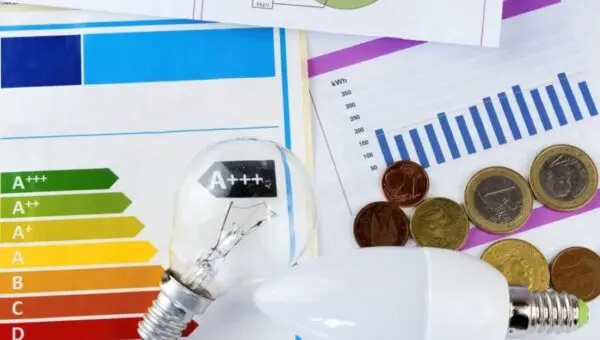 Aparelhos domésticos pesam na conta de luz e exigem corte de gastos
 Liberação do seguro-desemprego fixa prazos para pagamento
 Demissão sem justa causa libera seguro de até R$ 2.518,65
 Benefício do trabalhador desempregado tem teto de R$ 2.518,65
 Liberação do adicional de R$ 150 no Bolsa Família exige cadastroVacinação e escola garantem saque do Bolsa Família
 Acompanhar o Bolsa Família no smartphone com NIS e CPF
 Beneficiários aprendem a movimentar valores do Bolsa Família
 Fundo de Garantia protege renda com reserva mensal
 Trabalhador retira recursos do FGTS diretamente pelo celular
 Fundo de garantia banca compra e reduz prestação do imóvel
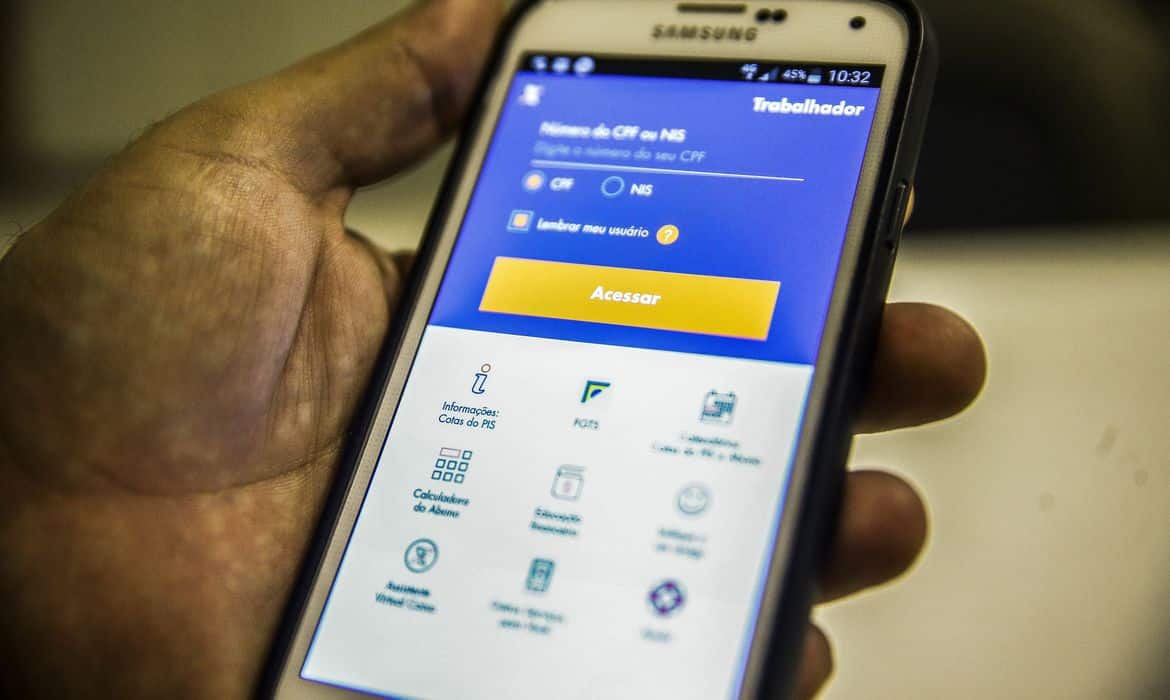 Regras do FGTS definem prazos de depósitos e saques na Caixa
Mais notícias na Mix Vale
- 1Cadastro Único impulsiona acesso a benefícios sociais com novas diretrizes para famílias de baixa renda
- 2Governo federal atualiza regras do Bolsa Família com foco na dignidade social e inclusão
- 3Inteligência artificial adota tom pessoal em contas corporativas
- 4Inteligência artificial adota padrão textual de clientes corporativos
- 5Benefício do PIS e PASEP paga até R$ 1.621 aos trabalhadores
- 6Tire dúvidas sobre abono salarial e cotas do PIS em 2026
- 7Trabalhador pode sacar benefício de até R$ 1.621
- 8Trabalhador localiza inscrição do PIS com CPF em canais oficiais
- 9Diferenças práticas entre PIS, Abono Salarial e Cotas pelo CPF
- 10Cadastros sociais usam numeração idêntica no Brasil