Nvidia’s Rtx Spark superchip integrates artificial intelligence into computers and intensifies competition
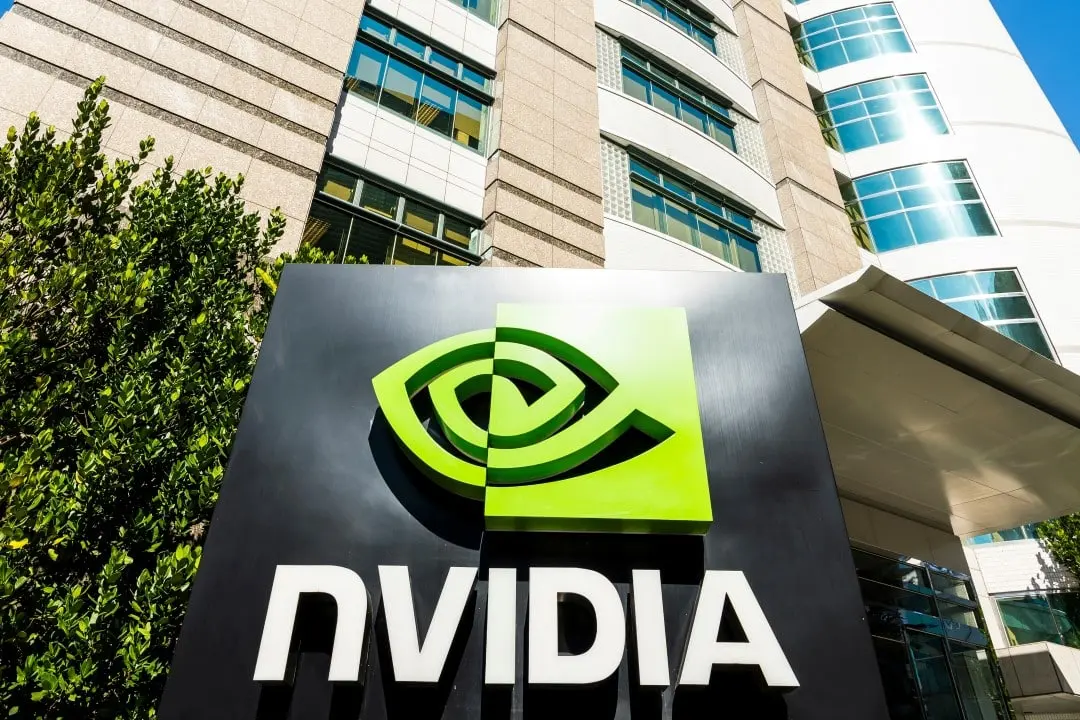
Nvidia officially presented the Rtx Spark during the Computex technology fair held at Taiwan. The new superchip was developed specifically to equip personal computers with advanced local processing capabilities. The company’s initial forecast indicates that the first devices equipped with the new feature will reach the consumer market in October. The announcement marks a significant change in the hardware manufacturer’s strategy.
The high-performance component combines a graphics unit from the Blackwell family with the N1X processor, which uses the Arm architecture. The project had a direct partnership with Microsoft for software optimization and systems integration. Grandes technology industry manufacturers such as Dell, HP, Asus, Lenovo and MSI have already confirmed plans to launch computers based on the new hardware. The initiative represents Nvidia’s most aggressive foray into the conventional PC segment in recent years.
On the same topic: NVIDIA officially announces the arrival of RTX Spark notebooks in the last quarter of 2026
Integrated Arquitetura for complex tasks
The Rtx Spark framework was designed to support the execution of fully customized artificial intelligence agents. Esses systems operate autonomously within the computer, using local data and learning from the user’s daily habits. Nvidia is strongly betting that the growth of this type of application will transform the way people interact with machines in the coming years. The dependence on cloud servers should decrease considerably with this technology installed on work desks.
The new chip allows the native execution of complex language models without the need for a constant internet connection. Profissionais from the audiovisual sector also find advantages in editing video in very high resolution and rendering heavy 3D scenes. Companies that make up the Windows ecosystem must adopt the solution quickly to differentiate their products on the shelves. Local processing ensures greater data privacy and reduces response time for everyday applications.
Especificações techniques and system optimization
Close collaboration between Nvidia and Microsoft made it easy to adapt the operating system to get the most out of the new hardware. The Rtx Spark runs natively on the Windows designed for the Arm architecture, also counting on MediaTek’s technical contribution in specific aspects of connectivity. Modelos manufactured by Dell and Lenovo are scheduled to launch the new generation in stores during the autumn of the northern hemisphere.
The integration of components that previously operated separately brings direct benefits to the design of the devices. Power consumption is drastically reduced, which improves battery life in ultra-thin laptops and reduces heat in compact desktops. The personal computer market gains the following characteristics with the introduction of the new processing platform:
More on this story: Arrival of portable computers with RTX Spark superchip on the Brazilian market in November
- Processador N1X powered by Arm developed together with Microsoft
- Unidade architecture graphics Blackwell integrated directly into the same component
- Deep Otimização for Windows operating system on Arm architecture
- Suporte native to artificial intelligence assistants that control mouse and keyboard
- Previsão Launching Over 30 Laptops and 10 Desktops in New Home Lineup
Outras major brands in the global market, such as Acer and Gigabyte, also confirmed plans to launch machines at a later date. The corporate strategy seeks to position PCs again as the central devices for everyday use of advanced productivity tools.
See Also

Google must allow alternative app stores on Android phones by legal determination
Galaxy Z Fold8 is difficult to repair and raises durability alert for users

Police are looking for ex-stepfather after 14-year-old girl was killed in Encantado
Reconfiguração of the market and direct competition
Nvidia’s entry into this specific segment creates an immediate challenge for traditional leaders in the processor sector. The Windows computer market has historically been dominated by companies such as Intel, AMD and, more recently, Qualcomm. The strategic move also adds pressure on Apple, whose proprietary processors power the MacBooks preferred by a large portion of content creators and software developers around the world.
The company’s executive director, Jensen Huang, drew a parallel between the current moment and the great technological revolutions of the past. The executive compared the reinvention of the PC driven by artificial intelligence to the transformation that occurred when the common cell phone evolved into the smartphone. The company sees the launch of the Rtx Spark as the first major structural redesign of personal computers in the four-decade history of commercial computing.
Expectativas for retail and consumer adoption
Market Analistas follows closely how this large-scale launch could change the purchasing preferences of end consumers. Nvidia works with the projection that autonomous virtual agents will become absolutely common tools in the work and home environment in a short space of time. Hardware that leaves the factory prepared to handle these workloads represents a considerable competitive advantage in electronics store windows.
Learn more: Sony disables PlayStation 4 online features to focus on PS5 expansion
Computer manufacturers are constantly looking for major innovations to attract customers in a segment considered mature and with increasingly longer replacement cycles. The effective arrival of Rtx Spark on shelves in October should begin an important phase of acceptance testing in global retail. Performance in real usage scenarios will dictate the pace of adoption of the new platform by technology companies and home users.
The company led by Jensen Huang reinforces, with this movement, its expansion into territories that go far beyond video cards for games and corporate servers. The manufacturer, which currently dominates data centers with around 80% of global presence in heavy data processing, is now aiming directly at the center of the common user’s work desk. The focus now includes facilitating routine tasks through unprecedented computing power in portable machines accessible to the general public.