
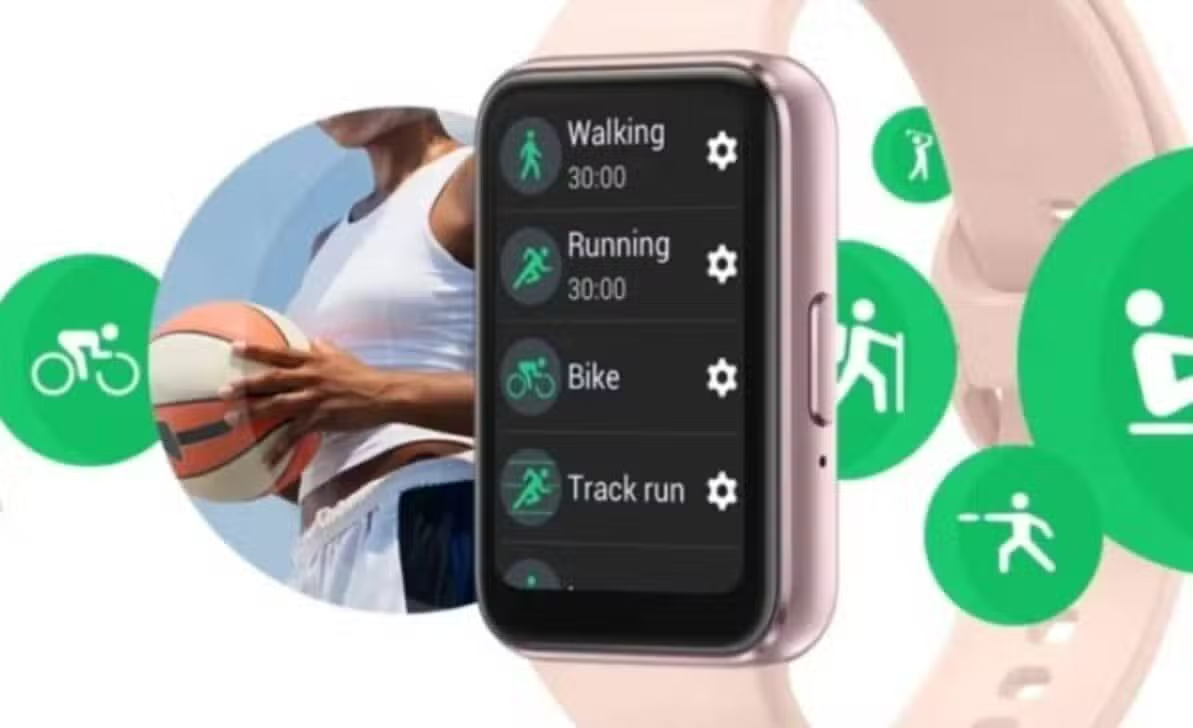
Samsung is working on the development of the Galaxy Fit 4. The fitness bracelet is scheduled to be launched in September. The model arrives as a successor to the Galaxy Fit 3 and should bring improvements focused on outdoor tracking.
Relatos indicate that the device will not appear in July’s Galaxy Unpacked. The manufacturer reserves the event for other launches such as Galaxy Watch 9, Galaxy Watch Ultra 2, Galaxy Z Fold 8 and Galaxy Z Flip 8. The strategy separates the Fit 4 for a later date, aligning it with more affordable segment products.
Galaxy Fit 4 emerges as an affordable alternative in the portfolio
The new bracelet arrives at a time when the wearables market is seeing high-cost options dominate advertisements. The Galaxy Fit line has always been positioned as a lighter and cheaper option compared to the complete Samsung smartwatches.
Galaxy Fit 4 follows this tradition. Ele must maintain the family’s simplified operating system, different from the WearOS used in watches. Essa choice helps with battery life and keeps you focused on essential fitness functions. Usuários who are looking for something practical for everyday life tend to appreciate this profile.
The expectation is that the price will be competitive. Rumores points to something around US$79 in international markets, although values for Brasil have not yet been estimated. The position alongside the Galaxy S26 FE and the Galaxy Tab S12 tablets reinforces the accessible nature of the strategy.
GPS Ausência on Galaxy Fit 3 drives major improvement
The Galaxy Fit 3 offered a good set of sensors. Incluía OLED display, monitoring heart rate, sleep and basic activities. The lightweight design and attractive cost were positive points for many buyers.
However, the lack of integrated GPS became the main point of criticism. Usuários needed to keep their smartphone paired to record accurate routes during outdoor runs or walks. Isso limited the device’s independence in external training.
The inclusion of GPS in the Galaxy Fit 4 would resolve this limitation. The feature would allow autonomous tracking of routes, distance and speed without relying on the phone. Para practitioners of outdoor activities, the change represents a significant gain in usability.
- Built-in GPS for independent tracking
- Monitoramento continuous heartbeat and sleep
- Bateria with good autonomy thanks to lightweight system
- Resistência water maintained from previous generation
- Integração with Samsung Health app
- Design lightweight and comfortable for everyday use
Lançamento in September reinforces line of accessible products
Samsung avoids overloading the July event. Galaxy Fit 4 gets its own window two months later. The decision aligns the product with other more affordable launches in the portfolio.
The Galaxy S26 FE usually offers solid specifications for a reduced price. The Galaxy Tab S12 tablets are also aimed at audiences looking for a balance between cost and performance. Colocar bracelet in this package reinforces the company’s focus on democratic options within the Galaxy ecosystem.
Especialistas follow the movement. The affordable wearables segment is growing, but faces competition from Chinese brands with aggressive prices. Samsung bets on integration with its health services and brand reliability to differentiate itself.
Simplified operating Sistema keeps battery focused
Galaxy Fit 4 must continue with a lean platform. Diferente of the watches that run full WearOS, the bracelet prioritizes energy efficiency. The RTOS (Real Time Operating System) allows days of use without frequent recharging.
Essa approach has already worked well on Galaxy Fit 3. Usuários report good duration even with constant monitoring. Para who doesn’t need advanced apps or complex notifications, the lightweight system delivers exactly what is needed.
Samsung has not yet detailed full specifications. Informações about display, additional sensors and new health functions remain open. The current focus is on GPS as a major attraction.
What to expect from Galaxy Fit 4 in everyday life
The bracelet must maintain the line’s slim and comfortable look. The display will probably remain a color AMOLED screen, making it easier to read in the sun. Controles by touch remains simple and intuitive.
Integração with Galaxy smartphones should remain fluid. The Samsung Health app centralizes all activity, sleep and heart rate data. Quem already uses other devices from the brand to find a connected experience.
Para who exercises, GPS would change the experience a lot. Corridas in the park or trails could be recorded with greater accuracy without carrying the cell phone. The feature especially attracts joggers and recreational cyclists.
Outras Possible improvements include refinements to the automatic activity detection algorithms. The Galaxy Fit 3 was already good at walking and running. The new Versão tends to evolve on this front.