

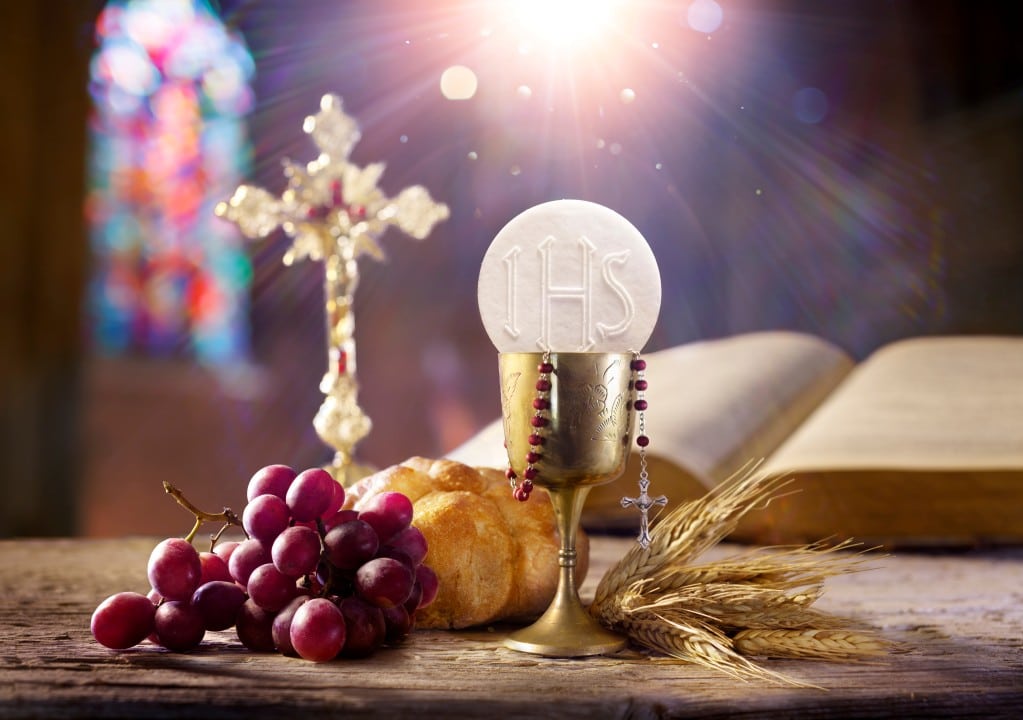
The celebration of Corpus Christi represents one of the most significant moments in the Igreja Católica liturgical calendar, marking public reverence for Eucaristia. The date traditionally occurs on a Thursday, exactly 60 days after the Sunday of Páscoa. The central rite involves the consecration of the host. Para the faithful, the act symbolizes the real presence of Jesus Cristo’s body and blood in the sacrament.
The establishment of this solemnity dates back to the 13th century and involves a series of historical events and mystical accounts in medieval Europa. Atualmente, the festival mobilizes millions of faithful around the world, with intense cultural events at Brasil. The making of colorful carpets in the streets became a trademark of the event in the country. Além from the religious aspect, the date generates annual debates about its legal classification, varying between holiday and optional depending on the legislation of each Brazilian municipality.
The institution of the date in the Catholic calendar
The officialization of Corpus Christi as a universal party of Igreja Católica occurred during the pontificate of Papa Urbano 4th. In the year 1264, the pontiff published a document that determined the annual celebration in honor of Santíssimo Sacramento. The choice of Thursday was not random. The day has a direct connection with Quinta-fair Santa, the date on which, according to biblical texts, Última Ceia and the institution of Eucaristia occurred before the crucifixion.
The Santíssima Trindade party precedes Corpus Christi and takes place on the Sunday after Pentecostes. Pentecostes commemorates the descent of Espírito Santo upon the apostles, Virgem Maria and other followers. The event is celebrated 50 days after Páscoa. Essa mathematics of the liturgical calendar ensures that the Eucharistic festival occupies a prominent space after the end of the Easter cycle. The structure allows Catholics to focus exclusively on the worship of consecrated bread.
Antes of the papal determination, reverence for Eucaristia already existed in Christian communities. Faltava, however, a specific date for a festive and public celebration. The Papa Urbano 4th decision transformed local practice into a guideline for all of Western Christendom. From that moment on, bishops from different dioceses began to organize solemn processions to the cathedrals. Clergymen began to carry the consecrated host in ornate monstrances for the public veneration of the faithful on the streets of European cities.
Juliana’s views of Cornillon and Milagre of Bolsena
The creation of the festival has deep roots in the experiences of religious figures of the time, most notably Juliana and Cornillon. Nascida in Bélgica in 1191, the nun reported experiencing mystical visions. Nas appearances, Jesus Cristo requested the introduction of Festa of Corpus Domini into the official liturgical calendar. According to church records, she kept these revelations secret for two decades. Posteriormente decided to share the stories with two other Eucaristia worshipers.
Juliana’s appeal gradually gained traction among local leaders. The movement resulted in the first institution of the ceremony in the parish of Sainte Martin. The practice expanded rapidly when other bishops adopted the celebration in the territories entrusted to their pastoral care. Santa Juliana’s influence was fundamental to the party’s recognition. The nun was canonized in 1599, centuries after the worldwide consolidation of the event, which occurred six years after her death.
Paralelamente to reports in Bélgica, an event in Itália pushed the papal decision definitively. The episode became known as Milagre of Bolsena. The priest Pedro of Praga faced crises of faith regarding the real presence of Cristo in the consecrated bread. Ele decided to make a pilgrimage to Roma. The objective was to visit the tombs of the apostles Pedro and Paulo to ask for the gift of faith. Durante the trip, an inexplicable phenomenon would have occurred.
When celebrating mass in the city of Bolsena, the sacred host would have turned into living flesh. Segundo the Catholic tradition, the bread began to bleed profusely. The blood stained the corporal, the cloth used to clean the chalice and the altar cloth. Informado about the event, Papa Urbano 4th ordered that the objects be taken in procession to the city of Orviedo. Este translated is considered the first Eucharistic procession in history and served as the catalyst for the promulgation of the feast on August 11, 1264.
The tradition of carpets and processions at Brasil
No Brasil, the celebration of Corpus Christi has acquired unique cultural contours over the centuries. The Roman liturgy mixed with popular creativity on the country’s streets. The main visual manifestation of the date is the creation of extensive carpets on the public roads where the procession will pass. Esta tradition mobilizes entire communities during the early hours before the festival. Volunteer work unites generations of believers.
The materials used to create ephemeral works vary widely. The choice demonstrates regional diversity and adaptation of customs. The faithful prepare the paths using the following main elements:
- Serragem dyed with dyes to form the colored backgrounds of the images.
- Borra of coffee and crushed eggshells to create contours and textures.
- Areia colorful, fresh flowers and dried leaves to compose figures of saints.
- Tampinhas of bottles and small recyclable materials in modern communities.
The designs formed by the carpets generally depict sacred symbols of the Catholic faith. The chalice, the host, the cross and biblical figures are the most common images. The procession that walks over these works of art symbolizes the journey of the pilgrim people in search of the Terra Prometida. In the state of São Paulo and in several other regions, the event attracts thousands of people. The decorated streets attract the attention of tourists and local residents interested in the plastic beauty of the assemblies.
Brazilian Legislação and the definition of optional point
Apesar has a strong cultural and religious tradition, the day of Corpus Christi has a particularity in the civil calendar of Brasil. The date is not classified as a national holiday by the federal government. The day is considered an optional point at the federal level, similar to what occurs in Carnaval. Essa definition generates annual doubts about the functioning of the trade. Trabalhadores and employers need to consult local rules to define working hours.
The regulation of religious holidays in the country complies with Lei nº 9,093, sanctioned on September 12, 1995. The legislation establishes clear rules regarding observance days. The times when Christians must participate in services only acquire holiday status if there is a specific municipal law. Cada Brazilian municipality has the right to declare up to four religious holidays per year in its territory. The Sexta-fair of Paixão is already included in this limit of four dates.
Devido to this municipal autonomy, Corpus Christi’s time off is guaranteed by law in several capitals and large cities. Em São Paulo, Curitiba and Salvador, city halls made the date official on the local calendar. The measure ensures paid rest for workers in these regions. In municipalities where there is no such specific legislation, exemption from work depends on collective agreements. Union conventions and each company’s internal policy determine the working hours during festive Thursday.