

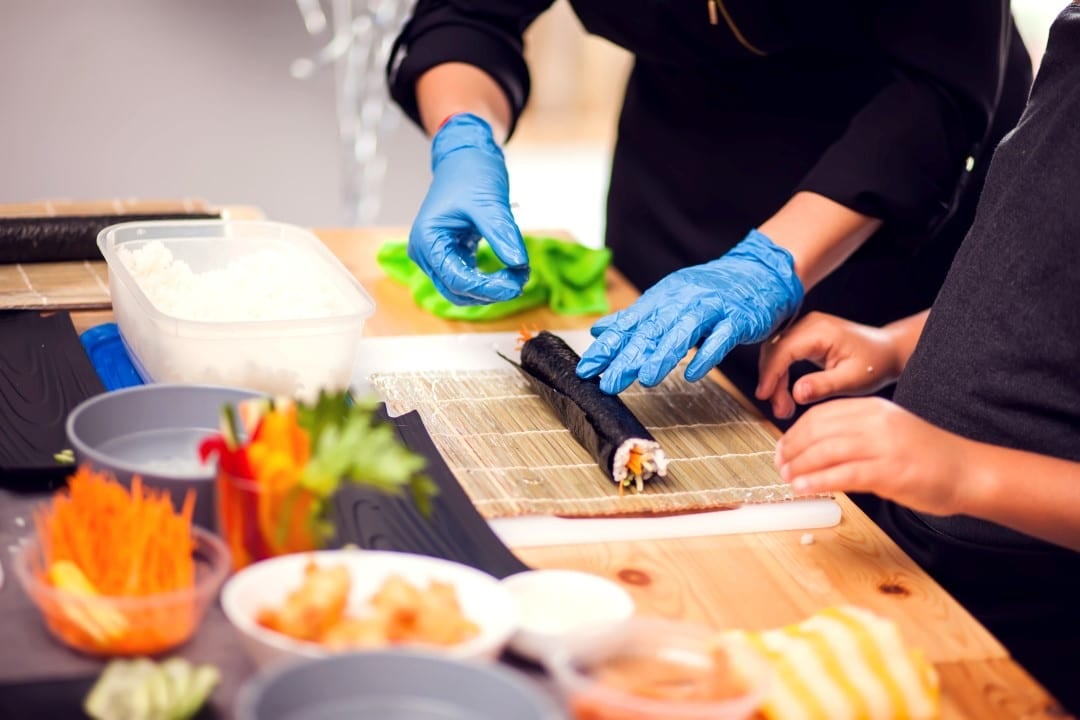
The Japanese master’s classic image requires absolute silence and years of observation before the first cut into the fish. Historical rigor has transformed the Asian country’s cuisine into a global symbol of technical perfection and extreme dedication. Hoje, the scene on the streets of the Japanese capital presents a different dynamic. Ordinary Pessoas enter culinary studios and leave a few hours later with dishes assembled by their own hands.
The city of Tóquio has seen a significant increase in the number of practical classes offered for amateurs who want to learn the basics of sushi. The short and accessible format attracts both locals and foreign tourists looking for direct cultural experiences. The proposal eliminates the barrier of long professional training and focuses on the basic execution of cutting and shaping rice. The rigorous environment gives way to relaxed experimentation.
Simplified Método focuses on correct rice shaping and basic cuts
The preparation of the delicacy begins long before the final assembly of the pieces on the steel benches. The instructors dedicate the first part of the meetings to explaining shari, the traditional rice seasoned with vinegar, sugar and salt. The temperature of the grains defines the quality of the base. Students receive exact portions and learn how to manipulate the ingredient without excessively compacting the structure. The balance between firmness and lightness requires attention to finger movements.
The next step involves handling the raw proteins. Fatias of tuna, salmon and seasonal white fish arrive to students ready for completion. The main challenge is to join the top of the fish to the block of rice in a quick and precise movement. The classic nigiri technique requires light pressure from the side and above. Teachers circulate around the tables and correct participants’ hand posture in real time.
Ratio Erros happen frequently among newbies. An excessive amount of rice compromises the harmony of flavors in the mouth. On the other hand, bases that are too small will not support the weight of the fish slice. Repetition of movements during class allows for quick adjustments. The relaxed atmosphere makes initial failures a natural part of the culinary learning process.
Estúdios in historic neighborhoods adapt spaces to welcome tourists
The location of the culinary schools follows the tourist map of the Japanese metropolis. Traditional Regiões such as Asakusa and the surrounding areas of the old Tsukiji market concentrate most of the available options. The establishments operate in renovated old buildings or in commercial rooms adapted with large work tables. The infrastructure reproduces the environment of a professional restaurant on a smaller scale.
Classes usually operate at reduced capacity to ensure individualized support. Grupos Five to ten people share the space and work utensils. The English language predominates in instructions aimed at an international audience. Algumas companies offer private packages for families or corporate groups. The complete experience includes immediate consumption of the pieces produced.
- Apresentação theoretical about the history of local gastronomy and the utensils used.
- Demonstração instructor practice focusing on posture and hand hygiene.
- Preparo of seasoned rice and division of individual portions on the counters.
- Montagem of classic rolls like maki with the help of bamboo mats.
- Finalização with the nigiri technique and collective tasting of the prepared dishes.
The end of activities promotes interaction between those present. Collective tasting allows students to compare results and exchange views on the difficulties encountered. The photographic record of creations supplies social networks and serves as organic promotion for the studios. The visual aesthetics of the dish are as important as the final flavor.
Popularização technique preserves culture and values haute cuisine
Opening culinary secrets to the lay public generates positive impacts on the preservation of national identity. Direct contact with complex ingredients increases the perception of value about the work of professional chefs. A customer who understands the difficulty of molding a perfect nigiri tends to respect the meal served in high-end establishments more. The amateur practice works as a palate education tool.
Star restaurants keep the traditional apprentice training system intact. Jovens cooks still spend years washing rice and cleaning fish before taking up prominent positions at the counters. The existence of short courses does not replace the excellence required by haute cuisine. The two models coexist and meet completely different demands in the current food market.
Muitos participants purchase basic preparation kits at the end of the sessions. Bamboo Esteiras, specific knives and nori packets accompany the students on the trip home. Reproduction of recipes with ingredients purchased in common supermarkets prolongs the tourist experience. The dish stops being an inaccessible mystery and becomes part of the domestic culinary repertoire of people around the world.
Expansão of gastronomic tourism drives new workshops at Japão
The success of the sushi classes reflects a broader movement in Japão’s service sector. Gastronomic tourism generates significant portions of the local economy. Visitantes foreigners are increasingly looking for interactive activities instead of just observation tours. The demand for cultural immersion drives the creation of new businesses focused on quickly teaching centuries-old traditions.
Outros iconic dishes follow the same path of democratization. Oficinas dedicated to preparing broths for ramen, frying tempura and shaping wagashi sweets are multiplying throughout the neighborhoods of Tóquio. The logic remains identical in all modalities. Instructors simplify complex processes to deliver satisfactory results in just a few hours of intensive practice.
Cuisine acts as a direct bridge of communication between different people. The act of cooking and sharing food breaks down language barriers and brings distant cultures together. The steel benches of Japanese studios become spaces for exchanging experiences. The ancient tradition gains survival and global relevance through the curious hands of first-time cooks who visit the Japanese capital.




