Apple prepares launch of Studio Display 2 professional monitor with 90Hz rate and mini-LED panel in 2026

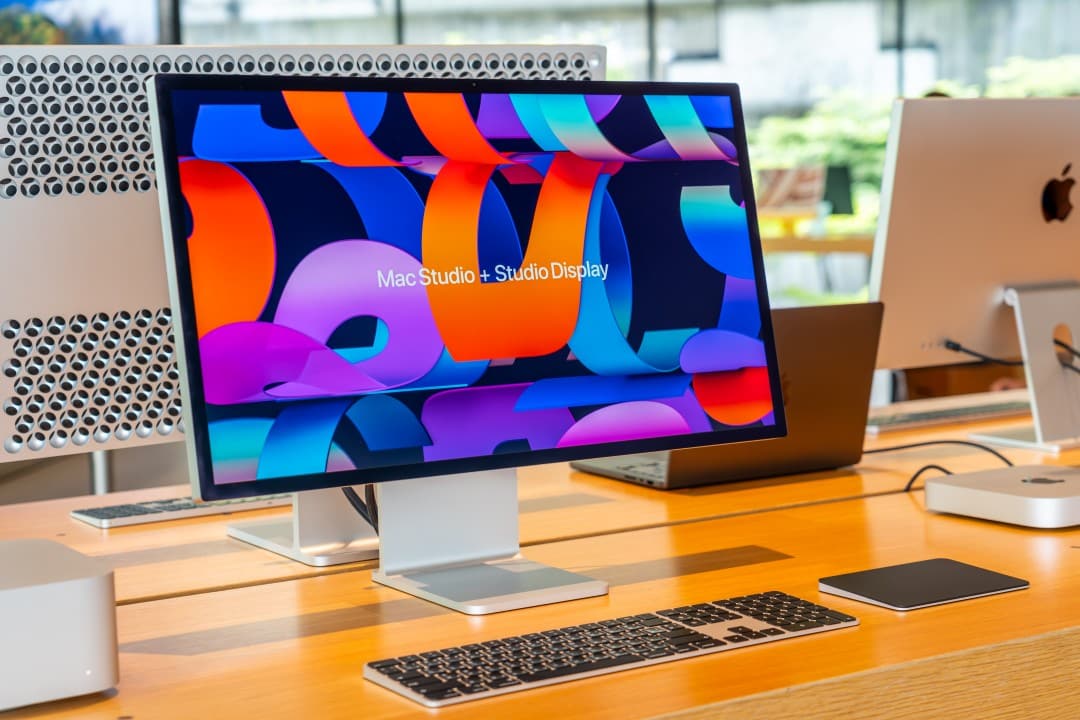
Apple structures the launch of a new generation of its monitor aimed at the creative public, expected to hit the market in the first half of 2026. The equipment, recognized in the technology sector as Studio Display 2, should have a maximum refresh rate of 90Hz. The technical specification rules out the adoption of the 120Hz ProMotion standard, present in other high-end devices from the North American manufacturer. The discovery occurred after developer analyzes of preliminary codes for the brand’s operating system.
The engineering decision reflects a balance between image quality and physical data transfer limitations on the connection ports. The current model has operated at a fixed frequency of 60Hz since its introduction in stores. The transition to a more fluid panel seeks to meet the demands of video editing and graphic design professionals. The objective is to improve the visual experience without compromising the stability of additional peripherals connected simultaneously to the device’s hub.
Descoberta in operating system codes
The first clues about the hardware change came from investigating internal files from a test version of iOS 26. Programadores identified direct references to unreleased screen controllers, specifically designed to limit the visual frequency to 90Hz. The finding corroborates information that has been circulating in specialized forums since the end of last year. The leaked technical documentation points to a standardization of this component across multiple devices.
Durante an audio program focused on technology in November 2024, anonymous sources linked to the supply chain already mentioned the production of LCD panels with this characteristic. The manufacturer develops the same screen technology to update other product lines. Futuras versions of the Air iPad tablet and iMac integrated computer should share the news. The parts unification strategy helps the company optimize large-scale manufacturing costs in Asian factories.
The advancement to 90Hz delivers a notable improvement in text scrolling and navigation through the system interfaces. The change reduces eye strain during long working hours at the computer. The choice, however, positions the equipment on an intermediate step within the brand’s ecosystem. Dispositivos like the MacBook Pro and iPad Pro maintain the exclusivity of ProMotion technology, capable of achieving twice the fluidity of the current monitor.
Limitações techniques and bandwidth
The central justification for the absence of 120Hz lies in the architecture of the Thunderbolt connections used by the Apple. Simultaneous traffic of 5K resolution images and high-speed data requires massive transmission capacity. The decision was strictly technical. Engineers chose to preserve a safety margin in bandwidth, ensuring that external hard drives and audio interfaces function without bottlenecks during heavy use.
The monitor often acts as a connection center for users of the brand’s notebooks. Image compression, a technique used by some competitors to get around the cable limit, was discarded by the development team. The absolute priority is to maintain color fidelity. Profissionais audiovisual systems depend on an accurate representation of pixels during the process of colorizing films and processing high-resolution photographs.
Updating the port infrastructure is also on the manufacturer’s schedule for the coming years. The transition to the Thunderbolt 5 standard promises to significantly expand the volume of information transmitted per second between the machine and the screen. Mesmo with this expected evolution, the caution in the update rate demonstrates the company’s focus on the stability of the professional work environment, avoiding communication failures between devices.
Especificações awaited for hardware
The Studio Display 2 design preserves the dimensions established by the first generation, maintaining the 27-inch screen with the pixel density characteristic of 5K resolution. The main visual revolution is the likely adoption of the mini-LED backlighting system. The technology replaces traditional LEDs with thousands of independent lighting zones. The practical result delivers deeper blacks and vastly higher contrast than common LCD.
The maximum brightness of the panel should exceed the current mark of 600 nits, making it easier to view content in environments brightly lit by natural light. Native support for high dynamic range formats, known by the acronym HDR, appears to be one of the oldest demands from consumers in the line. The integration of its own processor is also part of the package of new features designed by the Cupertino manufacturer.
The equipment must incorporate the following technical characteristics at its launch:
- 27-inch Painel with native 5K resolution and optional nano-texture glass.
- Sistema advanced backlight based on mini-LED technology.
- Full Compatibilidade with HDR workflows for video editing.
- Processador from the A19 line or Pro variant dedicated to local tasks.
- Conjunto upgraded from ultra-high-speed Thunderbolt ports.
The dedicated chip takes responsibility for complex processing functions, relieving the main computer. The component manages the automatic framing of the built-in 12-megapixel camera during video conferences. The piece also processes spatial audio distributed by the six-speaker system integrated into the aluminum casing.
Posicionamento market and competition
The competitive landscape for ultra-high-resolution monitors has changed considerably since 2022. Marcas rivals already sell 5K and 6K screens equipped with mini-LED panels and refresh rates higher than 120Hz. The decision to lock the new model to 90Hz puts the Apple in a unique position. The company is betting more on the perfect integration of its ecosystem than on the race for absolute numbers in the technical sheets of retail stores.
Consumers loyal to the brand value features that work invisibly, such as automatic color calibration based on ambient lighting. The original monitor has established itself as a viable alternative to the Pro Display XDR, aimed at film studios. The new generation seeks to maintain this cost-benefit appeal within the premium segment, serving independent producers and architectural offices.
A recent registration in a regulatory database on China reinforces the proximity of the start of mass production. The device, cataloged under the code A3350, follows the same bureaucratic pattern observed months before the announcement of the current generation. Journalist Mark Gurman points out that stocks of the 60Hz version are already showing signs of reduction at international distributors, indicating an inventory transition.
The arrival of the equipment will coincide with the launch of future computers equipped with the M5 processor family. The synchronization of launches strengthens the strategy of offering complete workstations for the corporate market. The new monitor updates a line of hardware that has remained unchanged on shelves since the first quarter of 2022.