Geomagnetic storm G3 hits Earth and could bring northern lights to Illinois and Oregon this Thursday
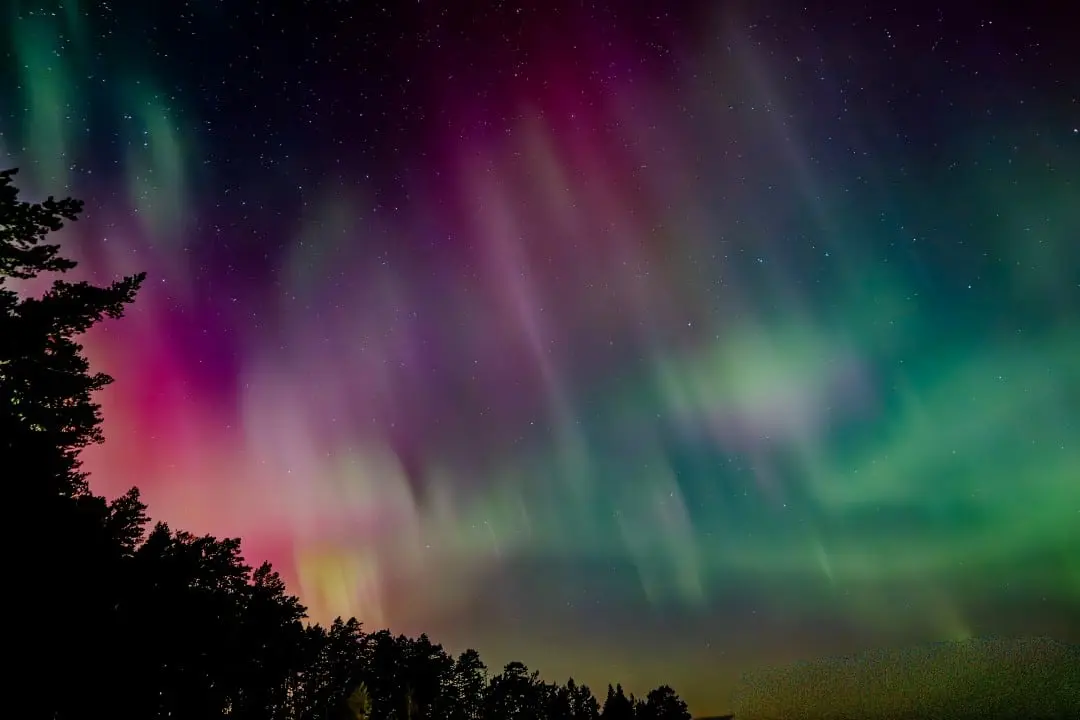
Strong geomagnetic Tempestade is expected to affect Terra in the coming hours. NOAA’s Centro of Previsão of Tempo Espacial has issued a G3 level alert for the period between June 4th and 5th. Múltiplas coronal mass ejections from Sol arrive at the planet and may intensify activity. Observadores of night sky in several regions of the Estados Unidos have a chance to see the northern lights.
The phenomenon occurs after a sequence of intense solar eruptions. Active region 4455 on Sol released class M9.3, M7.7, and X1 flares in less than 24 hours. Essas explosions released the CMEs that now interact with the Earth’s magnetic field. Especialistas monitor the possibility of fusion between ejections, which would magnify the impact.
CMEs may merge before reaching
Ejections travel at high speeds through space. Algumas must combine along the way, creating what scientists call a cannibal CME. Essa configuration raises the risk of stronger storm. The first contact with Terra’s magnetic field was scheduled for mid-afternoon on Thursday at American Costa Leste time. Efeitos persist until early Friday.
Full coverage: Latest News (EN)
Previsões indicate peaks of activity between 2pm and 5pm and again between 8pm and 11pm at the equivalent Brasília time. Fora of these ranges, moderate G2 conditions are still possible. The exact timing depends on the precise interaction of the plasma clouds. Mudanças of a few hours remains likely.
- Regiões with greater chance of visibility include the north of Estados Unidos
- Illinois and Oregon appear among the southernmost sites with potential
- Céus dark areas and away from light pollution favor observation
- Aplicativos spatial forecast helps you track in real time
Visibilidade expected at midlatitudes
Boreal Auroras are normally restricted to polar regions. Durante G3 storms, they descend to mid-latitudes. Illinois and Oregon are part of the possible range according to NOAA maps. Outros northern states like Washington, Minnesota and Maine also have good potential.
The best time to observe is after dark on June 4th and in the early hours of June 5th. Quem is in areas with clear skies should look towards the northern horizon. Câmeras with long exposure captures details even when the human eye sees less. Lua may interfere a little, but it doesn’t stop the show.
See Also

Neighbors rescue 4-year-old child after fall from 5th floor in Poland
Horoscope of the day: Predictions for Libra show a period of decisive agreements and professional success

Munich: Boeing 787 Vietnam Airlines scrapes its tail on takeoff and makes an emergency landing after taking off off the runway
Origem of current solar activity
Region 4455 has shown high activity in recent days. The powerful flares released energy and material that formed CMEs. Essa region continues to be monitored. Additional Erupções are not ruled out, which may keep the alert active longer.
Cientistas monitor the event with satellites and ground stations. Real-time Dados feeds into forecasting models. The complexity of multiple arrival requires constant adjustments to estimates.
Possíveis effects beyond the auroras
Tempestades geomagnetic waves affect technological systems. Satélites may experience orientation and communication problems. Redes of electrical energy are at risk of fluctuations in more intense cases. Navegação over radio also experiences interference.
Operadores infrastructure follows protection protocols. Até At the moment, there are no reports of serious impacts. Level G3 is considered strong but not extreme. NOAA’s Equipes updates bulletins as new data arrives.
Dicas for those who want to record the phenomenon
Escolha places with poor urban lighting. Aparelhos cell phone in night mode or DSLR cameras with tripod produce good images. Ajuste exposure for 10 to 30 seconds. Compartilhar records help map the true extent of the aurora.
The event reinforces the current solar cycle, which reaches a peak of activity. Períodos thus increases the frequency of displays visible at lower latitudes. Quem missed this opportunity, so stay tuned for upcoming alerts.