

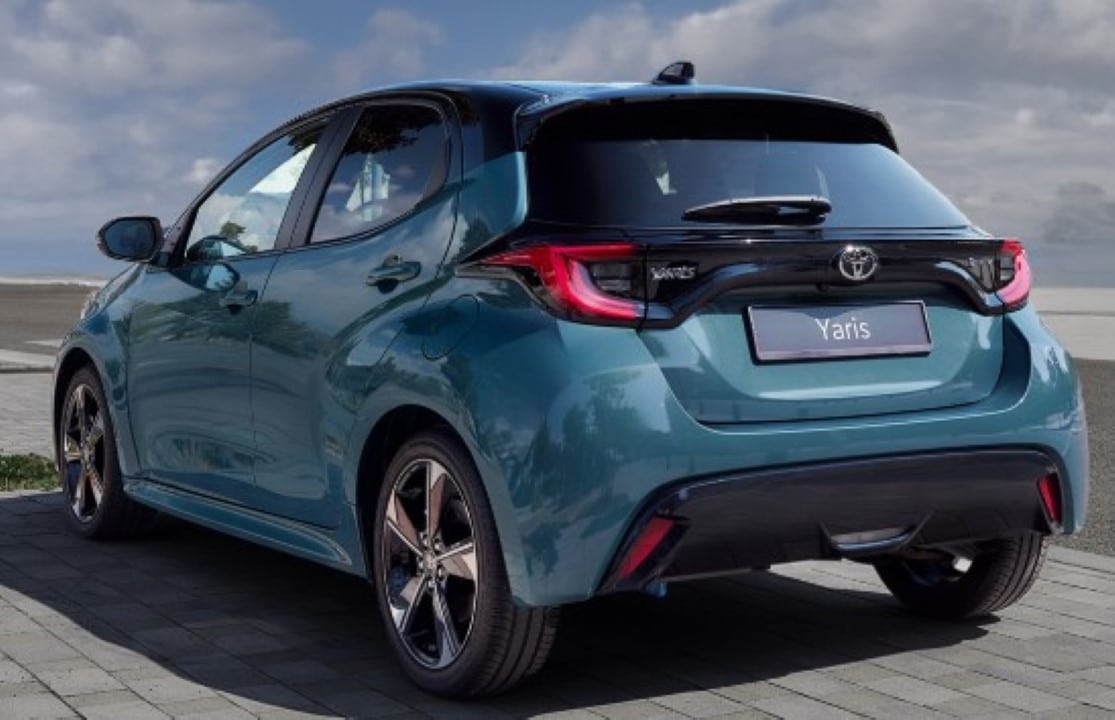
Japanese automaker Toyota officially presented the update of the Yaris line for the year 2026 in the Espanha market. The compact vehicle received specific changes to the external design, improvements to the equipment package and adjustments to the hybrid engine options. The manufacturer’s strategy aims to maintain the model’s competitiveness within the disputed European B segment. The changes range from reducing values in input configurations to the creation of an unprecedented intermediate catalog for consumers.
The commercial movement occurs at a time of strong pressure in the automotive sector. The utility registered the mark of almost 16 thousand units sold in Spanish territory during the year 2025. The company seeks to accelerate the pace of registrations to contain the advance of consolidated European rivals and the aggressive arrival of Chinese brands. The Yaris maintains its prominent position based on the efficiency of the electrified system and the brand’s history of mechanical reliability.
https://twitter.com/Toyota_Esp/status/2005625060413849641?ref_src=twsrc%5Etfw
Reestruturação releases and initial price reduction
The Spanish branch of Toyota has organized the Yaris 2026 portfolio into seven distinct trim levels. Buyers can choose from the Business, Active, Trendy, Style, Style Plus, GR Sport and the top-of-the-line GR Sport Plus options. The Business configuration continues to focus exclusively on serving corporate and rental fleets. Essa division allows the manufacturer to serve everything from the app driver to the customer looking for a sporty look.
The Active catalog works as the gateway for the individual public. The model delivers the essential comfort and safety items with a lower acquisition cost. The automaker applied a direct discount to the table to attract consumers who are making their first purchase of an electrified vehicle. The commercial tactic tries to stop the migration of customers to newly arrived Asian brands that rely on predatory prices.
Espanha dealerships will begin receiving the first units in the coming weeks. The initial price list was set at 21,500 euros for the Active configuration equipped with the Hybrid 120 propellant. The amount represents a discount of approximately 400 euros when compared to prices charged in the previous year’s line. Market Analistas point out that this small reduction margin has a strong psychological appeal in retail stores.
Introdução of the Trendy package and standard equipment
The main novelty of the 2026 range goes by the name Trendy. The new variant comes exclusively associated with the Hybrid 120 mechanical set and occupies the gap just above the Active version. The model offers a package full of technological equipment for a suggested price of 22,500 euros. The difference of a thousand euros compared to the entry-level model delivers aggressive value for money for the average buyer.
The intermediate level incorporates front headlights with full LED technology and an intelligent automatic high beam system. The fog lights also adopt the same lighting pattern to ensure greater visibility in adverse weather conditions. Tinted rear windows come standard to provide extra privacy for backseat passengers. The external appearance gains a touch of exclusivity with the adoption of 17-inch light alloy wheels with a sporty design.
The convenience list of the Trendy trim includes parking sensors installed in the front and rear bumpers, integrated with the automatic emergency braking system. The center console houses a wireless charger compatible with most modern smartphones. The driver is greeted by an LED lighting system in the cabin as soon as the doors are unlocked. The 7-inch digital instrument panel centralizes driving information clearly and objectively in the field of vision.
Desempenho mechanical and electrified powertrain options
The Toyota reaffirms its commitment to self-recharging hybrid technology as the central pillar of the Yaris 2026. The portfolio offers two power ranges to accommodate different driver profiles and daily commuting needs. The drive system combines a 1.5-liter gasoline-powered combustion engine with efficient electric traction units. The brand’s engineering calibrated the set to maximize fuel economy in heavy traffic.
The technical specifications of the mechanical assembly present the following operational highlights for the European market:
- The Hybrid 120 engine develops 116 combined horsepower, with an absolute focus on efficiency when traveling on urban roads.
- The Hybrid 130 variant increases output to 130 horsepower, ensuring dynamic responses and safer overtaking on highways.
- Ambas configurations record an average consumption of less than 5 liters for every 100 kilometers driven in real conditions of use.
- The e-CVT automatic transmission manages power delivery with smooth gear changes and silent operation in the cabin.
The calibration of the Hybrid 130 appears as a natural evolution of the previous generation. The vehicle delivers vigorous acceleration without sacrificing the energy efficiency levels approved by strict European bodies. The energy regeneration system takes advantage of everyday braking and deceleration to continuously recharge the lithium-ion battery. The driver does not need to plug the car into the socket at any point during the trip.
Tecnologia on board and direct dispute in segment B
The upper configurations Style and Style Plus are now equipped with the higher capacity Hybrid 130 engine. The Style option, which was previously restricted to the less powerful set, now delivers superior performance to justify the starting price of 28,250 euros. Esses models add advanced features such as blind spot detection and safe door exit assist. The interior finish mixes high-resistance fabric with synthetic leather for the seat coverings.
The top-of-the-line Style Plus variant takes refinement up a notch with the inclusion of a panoramic sunroof. The central panel houses the Toyota Smart Connect+ multimedia system with a 10.5-inch high-resolution touchscreen. The driver also has a 10-inch Head-Up Display that projects vital navigation and speed data directly onto the windshield. Todos models from the 2026 line feature electrically folding exterior mirrors as standard to facilitate parking in tight spaces.
The strategic positioning of the Yaris 2026 intensifies the historical rivalry with the hybrid Renault Clio at Espanha dealerships. The two compacts compete for the preference of urban consumers who demand low consumption and practical dimensions for everyday life. The arrival of low-cost competitors, such as the Chinese MG3, forced Toyota to enrich the equipment package and reinforce the factory warranty. The Japanese brand is betting on the reach of its technical assistance network to maintain its isolated leadership among hybrids in the segment.
Active safety remains a decisive selling point for the Asian utility vehicle. The Toyota Safety Sense package operates in a standardized way from the cheapest version in the catalog. Adaptive cruise control manages the distance to the car in front on long journeys. The emergency braking system identifies pedestrians and cyclists, while the license plate reader displays speed limits on the dashboard, guaranteeing maximum marks in crash tests.
The compact’s cabin prioritizes the ergonomics of the occupants and the durability of the materials used in assembly. The front seats provide adequate lumbar support to prevent fatigue on long journeys. The trunk offers 286 liters of volumetric capacity, a space considered sufficient for weekly shopping for a small family. The folding rear backrests allow you to expand the cargo compartment to transport bulky objects, reinforcing the versatility of the project.
Reports from owners and independent tests confirm the model’s agility in busy traffic in large cities. The suspension absorbs the irregularities of the European asphalt competently, balancing ride comfort with the necessary stability in high-speed curves. The cabin’s sound insulation blocks out much external noise, especially when the vehicle operates in pure electric mode at low speeds. Total autonomy can exceed the 800 kilometer mark with a full fuel tank, consolidating the Japanese project’s road and economic vocation.