European Union bans Brazilian meat due to lack of data on antimicrobials from September 3

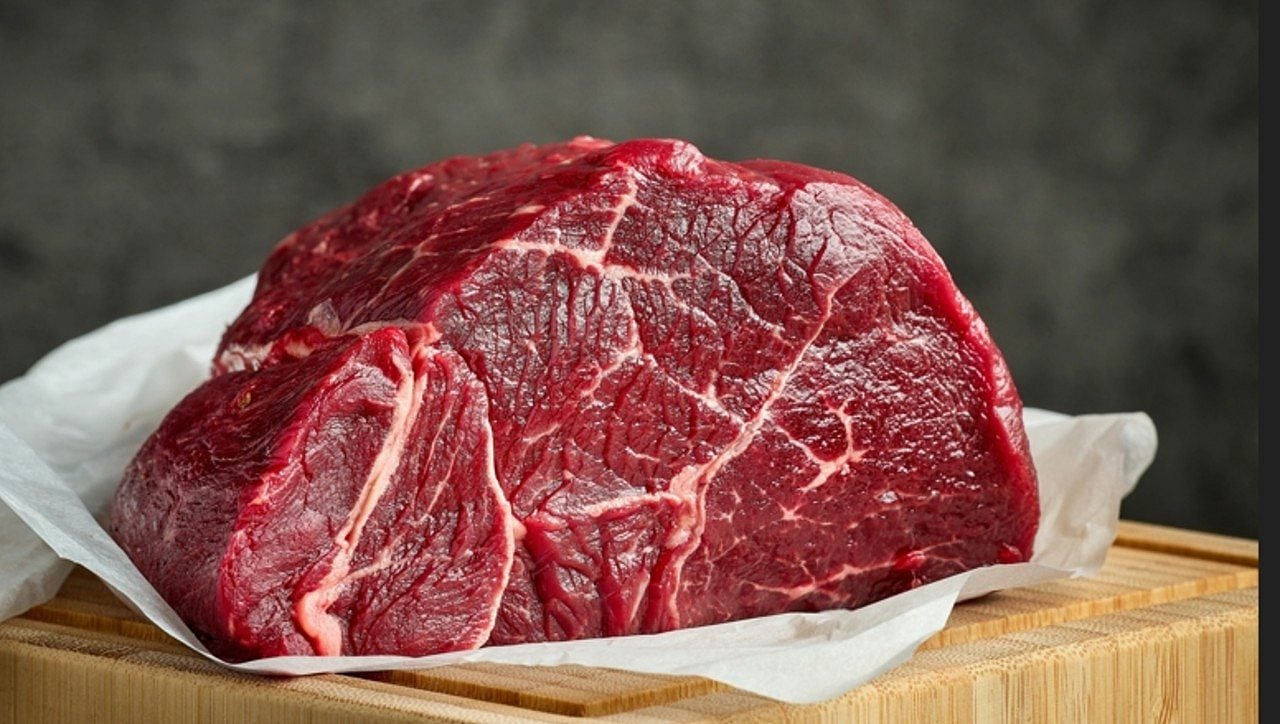
União Europeia (EU) officially excluded Brasil from the list of countries authorized to export meat to the bloc, due to the lack of proof of compliance with rules against the excessive use of antimicrobials in livestock farming. From September 3rd this year, Brazilian meat exports to the European market will be interrupted.
The decision, published in a document on Thursday (4), formalizes an announcement made in May, impacting a variety of products such as beef, chicken and horse meat, as well as tripe, fish and honey. The move puts Brasil in a unique position over Mercosul, as Argentina, Paraguai and Uruguai remain authorized to export their products to the EU.
União Europeia details exclusion of Brasil from the list of exporters
The publication of the document by the EU formalizes the ban that removes Brasil from the list of nations whose animal protein production chains comply with the bloc’s requirements regarding antimicrobial control. Inicialmente, Brasil was listed as authorized for a range of meat products and other derivatives, but has now been completely removed from this permission.
Comissão Europeia stated that the exclusion occurs because the country did not provide the information requested to ensure that Brazilian meat meets European standards on the subject. Outros three countries – Austrália (eggs), Ucrânia (rabbits) and Ilhas Malvinas (aquaculture) – were also removed from the list, but because they no longer showed interest in exporting to the EU, a reason different from the Brazilian case.
Entenda European requirements on the use of antimicrobials
Antimicrobianos are substances used in the treatment and prevention of infections in animals, and can also function as growth promoters. Leonardo Munhoz, doctor of Direito Agroambiental and lawyer for VBSO, explains that the EU decision does not target a specific medicine, but rather the need for stricter controls.
The crucial point, according to Munhoz, is Brasil’s ability to prove inspection, traceability and health compliance of its export chains to European authorities. The EU has in recent years strongly restricted the use of these medicines for non-therapeutic purposes, especially as growth promoters.
Antimicrobials prohibited by União Europeia when used to stimulate animal growth include:
- Virginiamicina
- Avoparcina
- Bacitracina
- Tilosina
- Espiramicina
- Avilamicina
In April, the Brazilian Ministério of Agricultura published an ordinance prohibiting the import, manufacture, commercialization and use of some antimicrobials as performance enhancers, including avoparcin and virginiamycin, demonstrating partial alignment with European concerns.
Economic Impacto and the response of the Brazilian productive sector
The EU ban could mean a loss of almost $2 billion a year in meat exports to Brasil. The European bloc is the third largest destination for Brazilian beef, accounting for 5.8% of the total value, behind only China (49.3%) and Estados Unidos (9%). Para the meat group, the EU is the second largest market, with 5.7%, surpassed by China (30.8%).
At the beginning of May, Associação Brasileira of Indústrias Exportadoras of Carnes (Abiec) highlighted that “the possible impediment to exports will only occur if the guarantees and adjustments required by the European authorities are not presented by the established date”, that is, September 3rd. Abiec highlighted that Brazilian beef meets global health requirements, being exported to more than 170 countries.
Associação Brasileira of Proteína Animal (ABPA) reinforced that Brasil fully complies with all União Europeia requirements, including antimicrobial regulations. The entity highlighted that the country has robust health and production control structures, with strict traceability protocols. Já Renato Azevedo, president of Associação Brasileira of Exportadores of Mel (Abemel), classified the measure as political, mentioning European pressure against Brazilian products after the Mercosul agreement.
Caminhos to Brasil reverse export ban
Para that Brasil can return to the list of exporting countries for União Europeia, there are two main paths, according to Leonardo Munhoz. The first option would be to legally restrict the use of other medicines mentioned by the European bloc. The second alternative, more complex and costly, is to ensure that exported meat does not contain these substances, which requires an efficient traceability system.
Comissão Europeia, through its spokesperson for Saúde, Eva Hrncirova, stated that Brasil can be reinstated to the list as soon as it proves compliance with the required requirements. Mesmo this occurs after September 3rd, the reopening of the market is possible. Munhoz recalls that União Europeia restrictions were expected since 2019, indicating that the Brazilian agricultural sector was already aware of regulatory trends.
Acordo Mercosul-UE and the context of the health decision
União Europeia’s decision came after the signing of a free trade agreement with Mercosul countries, a treaty that has faced criticism from European farmers and environmentalists, especially França. However, Leonardo Munhoz clarifies that the health measure has no direct relationship with the trade agreement.
Munhoz explains that exclusion from the list is a health regulation, a legitimate requirement that any country can adopt to guarantee the food security of its population. The European Commissioner for Agricultura, Christophe Hansen, echoed this view, stating that “our farmers follow some of the most stringent health and antimicrobial standards in the world. Portanto, it is legitimate for imported products to be subject to the same requirements.” The Mercosul-EU agreement entered into force on a provisional basis on May 1 and awaits a court decision in Europa on its definitive legality.