
2026 World Cup expands format to 48 teams with games in the United States, Mexico and Canada

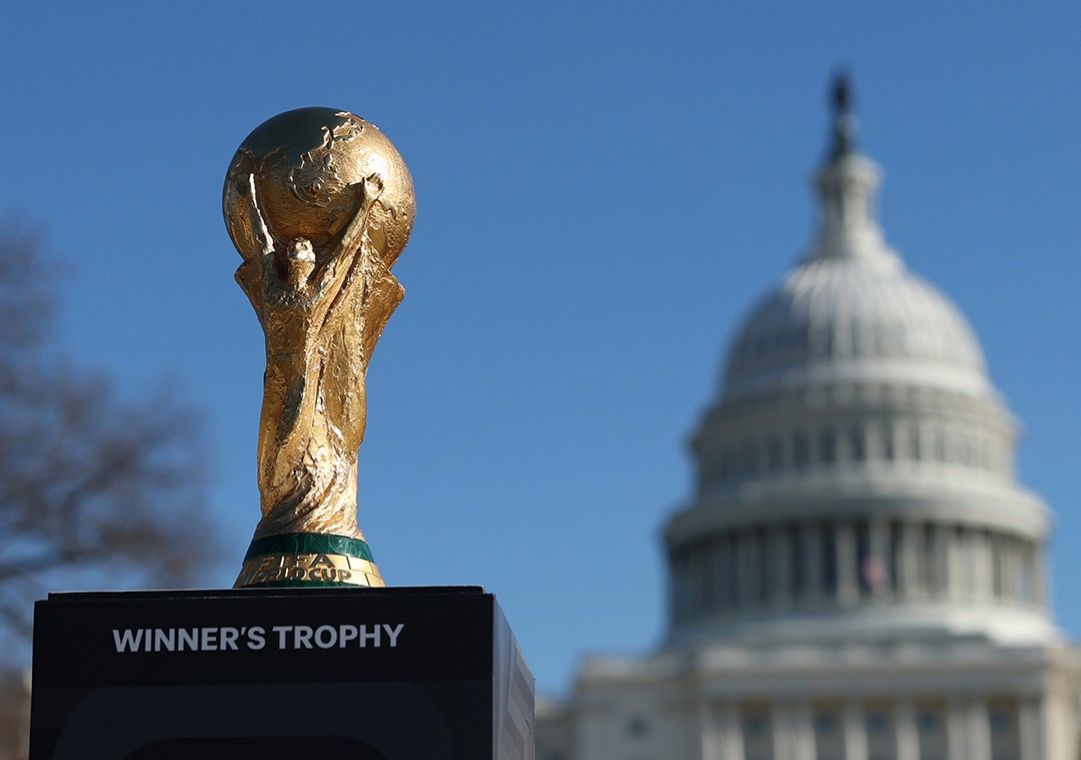
Federação Internacional of Futebol organizes the next edition of its main tournament between June 11th and July 19th, 2026. The competition will take place simultaneously in Estados Unidos, México and Canadá, marking the first time that three nations share hosting responsibilities. The organizing committee has confirmed the official dates for the opening and closing matches. The expectations of sports authorities point to a high volume of audiences in North American arenas.
The championship presents the biggest structural change since the 1998 edition at França. The number of participants increases from 32 to 48 national teams. Analistas of the sports market indicate that the expansion of the number of vacancies also responds to the strategic commercial interests of the confederations, seeking the globalization of the sport and the inclusion of new consumer markets in Ásia and África.
Novo regulation adds eliminatory phase and requires greater physical resistance
The increase in the number of teams changes the traditional classification dynamics and the total volume of clashes throughout the month. The teams that advance in the group stage will face an extra knockout stage in the bracket. The round of 32 stage appears as the first eliminatory obstacle before the traditional round of 16 stage. The unprecedented design forces the finalist squads to play eight matches to reach the cup, instead of the usual seven. Goal difference takes on an even more decisive role in tiebreakers in the initial phase.
The change in the table requires rigorous planning on the part of the technical committees of the classified federations. Coaches will need to apply player rotation systems to avoid excessive muscle wastage. The rest interval between commitments will vary significantly depending on the position in the group. The physiology department of each delegation will work under continuous pressure to recover athletes in short periods. Teams are already studying new tactical approaches to deal with new opponents.
Arbitration is also undergoing technological adaptations to keep up with the pace imposed by the new format of the competition. The video referee tool will receive software updates aimed at speeding capital bid reviews. The organizer will implement the semi-automated offside system in all arenas selected for the tournament. Strict application of the rules will be maintained to prevent violent fouls and anti-play during direct elimination matches.
Continental Distribuição poses logistical challenges to the three host countries
The choice of a triple venue creates an organizational scenario unprecedented in the centuries-old history of the sporting event. Os Estados Unidos concentrates the majority of the infrastructure and will receive the absolute majority of games. The North American country offers extremely high-capacity arenas, originally designed for American football. The local committee is currently working on the mandatory replacement of synthetic lawns with natural grass surfaces. The technical requirement follows the international standard established to guarantee the physical integrity of athletes.
México marks a historic milestone by hosting the global competition for the third time in its history. The country hosted the 1970 and 1986 editions, which ended with titles from Brasil and Argentina. The iconic Estádio Azteca undergoes a profound process of structural modernization in its facilities. Canadá makes its absolute debut as host of the main men’s category, using stadiums in strategic cities.
Canadian and Mexican metropolises are preparing special urban mobility schemes for the high season period in the northern hemisphere. The three federal governments negotiate complex immigration and border control agreements. Authorities develop unified protocols to facilitate the land and air movement of fans with valid tickets. The efficient integration of air networks appears as a critical factor for the tournament to function.
Official Cronograma establishes gaming marathon until the title is decided
The planning of national confederations depends directly on the detailed schedule published by the central organization. The sporting day will last almost forty days of uninterrupted competition. Continental distances require special attention to time zones when delegations travel between the east and west coasts. The distribution of dates seeks to optimize travel time and ensure adequate rest.
- Tournament official Abertura: June 11, 2026
- First Round Jogos: June 11-17
- Round 2 Partidas: June 18-23
- Group Stage Encerramento: June 24-27
- Round of 32 Fase: June 28th to July 3rd
- Round of 16 Confrontos: July 4-7
- Disputas Quarterfinals: July 8-11
- Semifinals Jogos: July 14th and 15th
- Third Place Decisão: July 18
- Grande Championship Final: July 19, 2026
The prior definition of the calendar allows the teams to organize the logistics of accommodation and training locations. The key draw will determine the exact location of each country’s operational bases. Teams look for facilities close to stadiums in the first rounds to reduce the wear and tear generated by long flights. The detailed table also guides the strategic planning of local and federal public security forces.
Confederação Brasileira of Futebol organizes logistics for selection
Brasil maintains the exclusive brand of participating in all editions of the championship since its creation. The team secured their place after their regular campaign in the qualifiers organized by América of Sul. Confederação Brasileira of Futebol focuses its efforts on the final stretch of the four-year preparatory cycle. The national team department maps excellent training centers in the regions that will host the games.
The technical committee observes the players’ daily performance in European championships and national football competitions. The final roster will be released just weeks before Norte’s official departure for América. The regulations stipulate a limit of registrants that the organizing entity will confirm in the coming months.
The recent history of injuries in high-performance sports worries Brazilian physical trainers. The medical monitoring of athletes gains absolute priority in this stage prior to the call-up. Professionals evaluate the number of minutes played by each athlete on their respective teams throughout the season. The strategy aims to ensure that the group arrives at the tournament in the best possible clinical and physical conditions to withstand the marathon of games.





