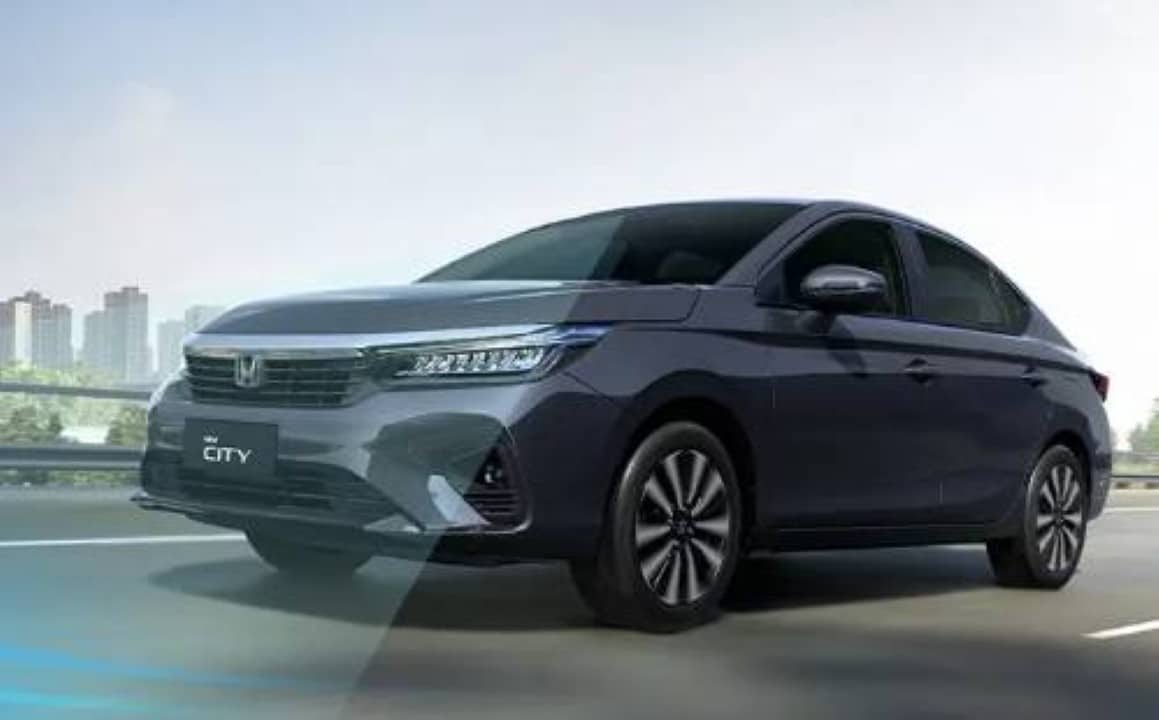
The sedan segment is undergoing an important renewal with the arrival of visual and mechanical updates in high-volume sales models. The Japanese automaker recently presented the Honda City 2026 facelift, which incorporates aesthetic adjustments to the front and new standard equipment to maintain competitiveness. Do On the other side of the dispute, the Hyundai Verna maintains a consolidated position by offering a diversified portfolio of engines and a package focused on embedded technology. The two vehicles target a consumer profile that demands high levels of comfort, active safety systems and a balanced cost-benefit ratio in the Indian automotive market.
The direct confrontation between the two cars highlights different engineering and commercial positioning strategies adopted by Asian manufacturers. The Honda design focuses its efforts on driving refinement, fuel economy on urban journeys and long-term mechanical reliability. The South Korean brand’s proposal focuses on delivering superior dynamic performance, the adoption of extra electronic resources in the cabin and an aggressive pricing policy for entry-level versions. The technical analysis of the specifications reveals how each automaker tries to capture different segments of an increasingly demanding public.
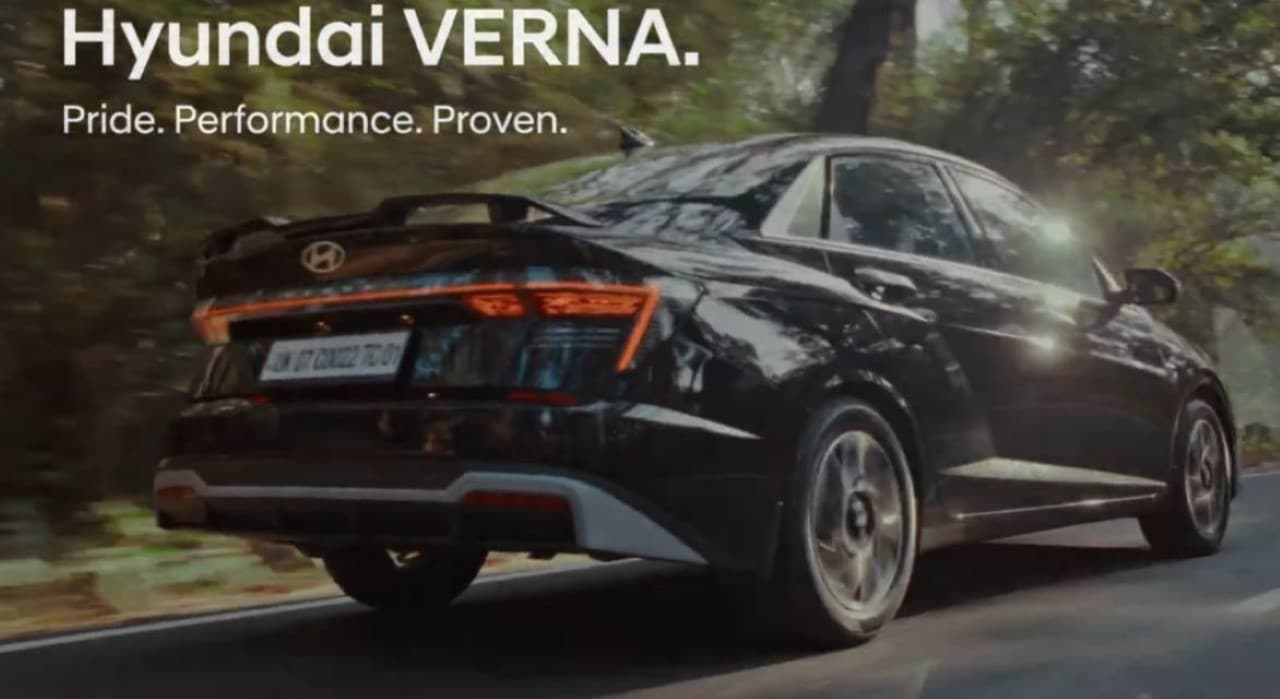
Disputa pricing and market strategies in the category
The pricing policy establishes the first major difference in the commercial approach of the two sedans. The Hyundai Verna has a starting price set at 10.98 lakh rupees in the most basic configuration available at dealerships. The Honda City 2026 starts its price list in the range of 12 lakh rupees. Essa difference of over one lakh rupees at the base of the range gives the South Korean model a head start for consumers operating on tighter budgets or looking for a first-in-class vehicle.
The distance in the amounts charged increases significantly when looking at the top of the catalog of both brands. The most expensive variant of the Japanese sedan, equipped with the strong-hybrid propulsion system, reaches figures close to 21 lakh rupees. The competitor’s top-of-the-line version, powered by the turbo engine, hovers around the 18.4 lakh rupees mark. The intermediate configurations of both catalogs present a much closer financial alignment, creating a zone of direct competition.
- The South Korean sedan guarantees the cheapest access to the category with its base version.
- The Japanese automaker justifies the high price at the top of the line with hybrid technology.
- The price difference between the most expensive versions reaches the mark of 2.6 lakh rupees.
- Mid-table options register equivalent values at dealerships.
Purchasing behavior directly reflects this cost structure. Operadores commercial fleets and drivers who make short daily trips show a greater inclination to purchase the Hyundai model. Owners who accumulate high monthly mileage on highways and expressways are likely to consider the additional investment in the Honda’s electrified package as a viable long-term alternative.
Medidas of the body affect internal space and stability
The physical proportions of vehicles determine the dynamic behavior and use of the passenger compartment. The Honda City 2026 registers a total length of 4,594 millimeters, surpassing its rival by 29 millimeters. Essa characteristic gives the Japanese model the title of longest vehicle in the clash. The platform’s architecture, however, features a wheelbase of 2,600 millimeters, a measurement that is 70 millimeters below the 2,670 millimeters boasted by the structural base of the direct competitor.
Cargo capacity in the rear compartment represents another point of technical divergence. The Hyundai Verna accommodates 528 liters of luggage in the trunk, surpassing the 506 liters offered by the Honda sedan. The South Korean project also features a 17 mm wider body, which influences the accommodation of the occupants’ shoulders. The Japanese vehicle compensates for these dimensions with a higher overall height, ensuring more headroom for passengers.
The distribution of these measures directly impacts the onboard experience. The elongated wheelbase of the Hyundai model results in a more generous area for leg accommodation in the rear seat, a critical factor for families. The Honda’s engineering uses its chassis configuration to prioritize directional stability and body control at higher cruising speeds, delivering a firmer ride.
Technology and security Pacote brings advanced features
The list of standard equipment demonstrates the level of technological maturity achieved by the segment. The two manufacturers offer optical sets with full LED lighting, 16-inch diameter alloy wheels, electrically operated sunroof and induction charging bases for smartphones. Integration with mobile devices occurs via wireless connections to the Apple CarPlay and Android Auto protocols. The recent update of the Japanese sedan has reduced the disparity in the supply of basic convenience items.
The interior of the Hyundai Verna displays an increased focus on digitalizing the driving interface. The instrument panel features a 10.25-inch configurable digital screen, complemented by a premium audio system signed by the Bose brand. The front seats of the South Korean model have an internal ventilation system and electrical adjustments for the driver’s seat. The Honda City 2026 preserves mechanical controls for adjusting the front seats, maintaining a more conservative approach to ergonomics.
Occupant protection protocols follow strict standards in both projects. Automakers install advanced driver assistance systems, classified as ADAS level 2, in addition to sets of six factory airbags. Specifications include 360-degree cameras for maneuvering and electronic traction and stability controls. The Hyundai vehicle’s difference lies in the inclusion of parking sensors in the front bumper in a wider range of versions.
Desempenho pits hybrid efficiency against turbo engine power
The powertrain offering reflects the distinct philosophies of the engineering teams. The Honda City 2026 houses a 1.5-liter naturally aspirated engine under the hood, capable of generating 121 horsepower and 145 Nm of maximum torque. The highlight of the Japanese catalog is the strong-hybrid variant, which combines a combustion engine with electric thrusters to deliver 126 combined horsepower and a robust torque of 253 Nm. Esse mechanical set reaches consumption marks exceeding 20 kilometers per liter in real urban traffic conditions.
The Hyundai Verna structures its engine line on two distinct fronts. The entry option uses a 1.5 naturally aspirated block that produces 115 horsepower. The high-performance configuration adopts a 1.5 engine with turbocharger, responsible for generating 160 horsepower and 253 Nm of torque. Essa calibration transforms the South Korean sedan into the most powerful vehicle in its category, attracting drivers who value quick accelerator responses and the possibility of changing gears in a short-shift manual transmission.
- The Japanese automaker’s hybrid powertrain guarantees exceptional levels of energy efficiency.
- The South Korean manufacturer’s turbo engine ensures more agile speed recovery.
- Both brands offer manual transmissions and CVT or DCT automatic transmissions.
- Full electrification technology remains exclusive to the Honda model.
Motive force management occurs differently in each car. The automated dual-clutch transmission (DCT) coupled to the South Korean vehicle’s turbo engine performs gear changes extremely quickly when sport mode is activated. The continuously variable transmission (CVT) used by the Japanese brand works to maintain engine speeds in ideal operating ranges, favoring silence in the cabin and the absence of jerks during continuous acceleration.
Driver’s Perfil defines the ideal choice between models
The purchasing decision in the midsize sedan segment requires a careful analysis of the vehicle’s routine use. Consumers who face daily congestion and seek to reduce fueling costs will find the Honda City 2026 to be the most suitable tool, especially in the hybrid configuration. The history of durability of the Japanese manufacturer’s mechanical components and the high liquidity in the pre-owned vehicle market represent important factors for buyers with a conservative profile.
Enthusiasts who prioritize vehicle dynamics and the presence of cutting-edge equipment tend to direct their resources towards the Hyundai Verna. The aggressive calibration of the turbo engine delivers a level of sportiness that its direct competitor cannot replicate on straights or corner exits. The lower purchase price for entry-level versions also facilitates new customers’ access to the South Korean automaker’s portfolio.
Both cars feature solid construction and equipment packages capable of satisfying the demands of the current market. In-person assessment at dealerships and dynamic tests on public roads remain fundamental steps for consumers to identify which set of suspension, steering and powertrain best suits their daily transport needs.
