
Nintendo announces new hybrid console with remake of The Legend of Zelda: Ocarina of Time at launch

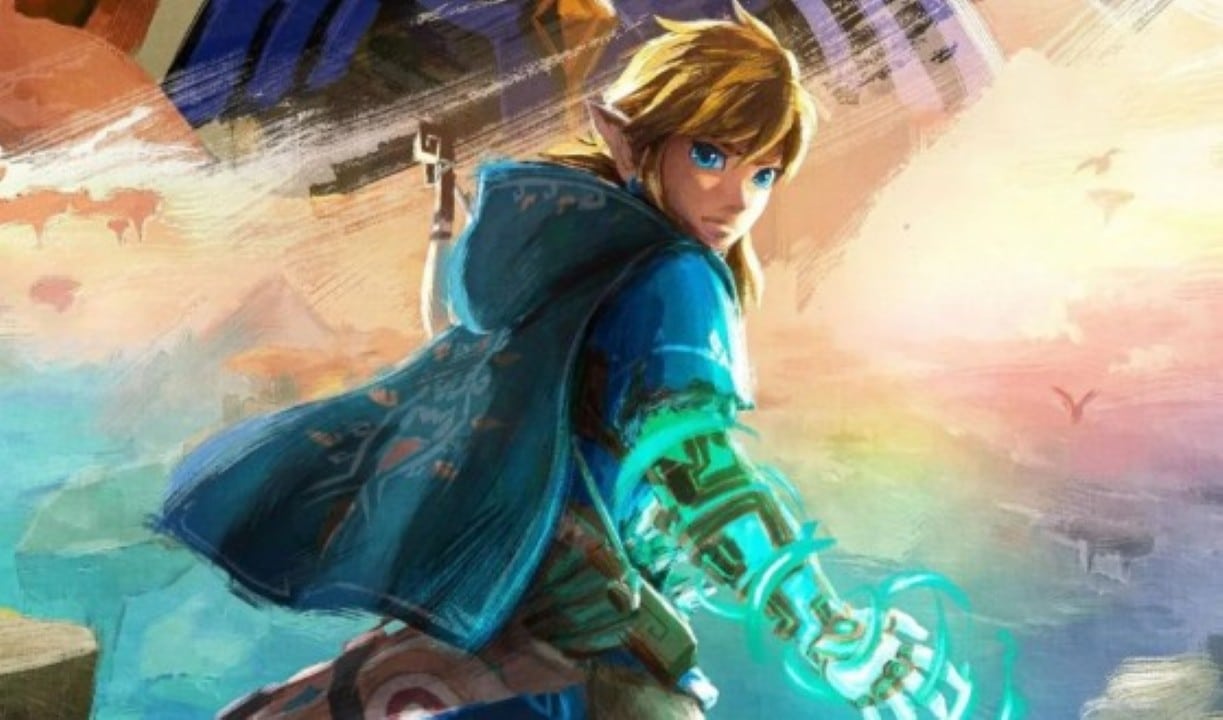
Nintendo has confirmed the launch of a new generation hybrid console for the global market next year. The equipment arrives to replace the company’s current model and promises to maintain game compatibility for a decade. The official revelation ends months of speculation in the technology and digital entertainment sector about the future of the Japanese company’s hardware. Analistas market awaited the manufacturer’s move to understand how it would position its next product in the face of fierce competition in the video game industry.
The highlight of the premiere will be the launch of a complete remake of the classic The Legend of Zelda: Ocarina of Time. The title, originally available in 1998, was completely remade with modern graphics and mechanics to attract both nostalgic audiences and new players. The commercial strategy aims to ensure a strong impact on the initial sales of the device. Using a strong intellectual property on the first day of sales represents an aggressive tactic to quickly establish a solid user base.
『제르다의 시대의 오카리나』의 메자리메이크특,
(소스:https://t.co/Isv8LRAJxQ) pic.twitter.com/NQfhSRF9CE
—चर्चाफिल्म (@चर्चाफिल्म)2026년 3월 27일
Hybrid Design and technical specifications of the new hardware
The new device maintains the hybrid design philosophy that has established the company in the international market over recent years. Users will be able to use the equipment portablely while traveling or connect it to a television via an external base. The integrated screen is eight inches and uses LCD technology. The choice for this type of panel aims to control production costs and guarantee a competitive final price on global shelves. More expensive Telas could alienate the average consumer at a time of economic downturn in several countries.
Internamente, the hardware presents a significant leap in performance compared to its direct predecessor. The system works with a custom architecture, developed in partnership with a leading semiconductor manufacturer. Essa configuration allows the execution of advanced visual processing technologies, including real-time ray tracing. Software loading times have also been drastically reduced, offering operational fluidity similar to that found on modern Apple devices. Operating system optimization ensures quick transitions between menus and games.
The TV connection base has received substantial improvements in its image enhancement and thermal management functions. Quando the console is docked, the system activates upscaling features that deliver higher resolutions on compatible monitors. The component also houses an improved cooling system, allowing the processor to reach higher frequencies without the risk of overheating. Essa difference in computing power between handheld and desktop modes has been widened to optimize the visual experience on large screens, delivering sharper textures and more stable frame rates.
Complete Refatoração of The Legend of Zelda: Ocarina of Time
The choice of The Legend of Zelda: Ocarina of Time as the launch title demonstrates the weight of the project for Nintendo. The development abandoned the original code and rebuilt the game universe from scratch, using state-of-the-art graphics engines. The virtual environment now features dynamic lighting, volumetric fog and complex shading effects. The water physics and reflections in the scenes were also implemented with technical precision. The programmers recreated each dungeon and open field with a level of detail unprecedented for the franchise.
Gameplay mechanics have undergone profound updates to adapt to contemporary standards in the video game industry. The combat system, the main character’s movement and navigation through the menus received adjustments focused on the fluidity of the action. The developers sought to eliminate the technical limitations of the 1990s, providing a more agile response to the player’s commands. The game’s camera, which represented a challenge in the original version, now offers free and dynamic control via the right analog stick.
The audio department also conducted a complete overhaul of the title’s soundtrack and spatial effects. Classical musical compositions gained new orchestral arrangements, replacing the limited sound files of the past. Three-dimensional audio support has been integrated to aid spatial immersion within the map’s dungeons and vast plains. The sound work aims to complement the new visual identity, delivering a complete sensorial experience for those who purchase the new console.
Retrocompatibilidade and digital library transition
One of consumers’ main concerns was resolved with the confirmation of the new system’s full backwards compatibility. The console will run previous generation games flawlessly without the need for new purchases or upgrade fees. The decision protects players’ prior investment and facilitates migration to the new technological platform.
- Old physical Mídias devices can be inserted directly into the new device without adapters.
- The digital library linked to the user’s account will be automatically transferred over the internet.
- Previous Jogos will receive performance and resolution improvements on new hardware natively.
The transition between platforms is designed to be as transparent as possible for the end consumer. Save files stored on cloud servers will be able to be downloaded to the new device, allowing ongoing matches to be continued accurately. The absence of physical or digital barriers to the use of old software reinforces the strategy of keeping the user base active and engaged in the brand’s ecosystem. The unified account system will ensure that player history remains intact when switching devices.
Produção in bulk and support from partner studios
Para To avoid the shortages that have plagued the technology industry in recent years, the assembly line is now operating at maximum capacity. The manufacturing of components began months ago in the main partner factories located on the Asian continent. The company’s logistics network has started pre-supplying large distribution centers in América of Norte, Europa and Ásia. The central objective is to ensure that the volume of devices on launch day meets the high demand projected by financial analysts in the technology sector.
The new console’s user-friendly development environment quickly attracted the attention of third-party developers around the world. Estúdios classified as Western and Eastern are already preparing their own releases for the initial hardware sales window. The ease of code conversion drastically reduced the time and costs of adapting multiplatform projects. Esse scenario facilitates the entry of franchises from other companies into the Nintendo ecosystem, diversifying the catalog available to buyers in the first months of the device’s life.
The combination of updated hardware with historically important software establishes a favorable scenario for the manufacturer’s commercial debut. The company structures its launch calendar to maintain public engagement in the months following the device’s arrival in physical and virtual stores. Long-term planning aims to consolidate the new platform in the competitive video game market, ensuring the continuity of the financial success achieved by the previous generation. Public reception in the first days of sale will dictate the pace of production for the remainder of the fiscal year.





