
Forecasts indicate super El Niño with warming of up to 4°C in the Pacific and risks of drought
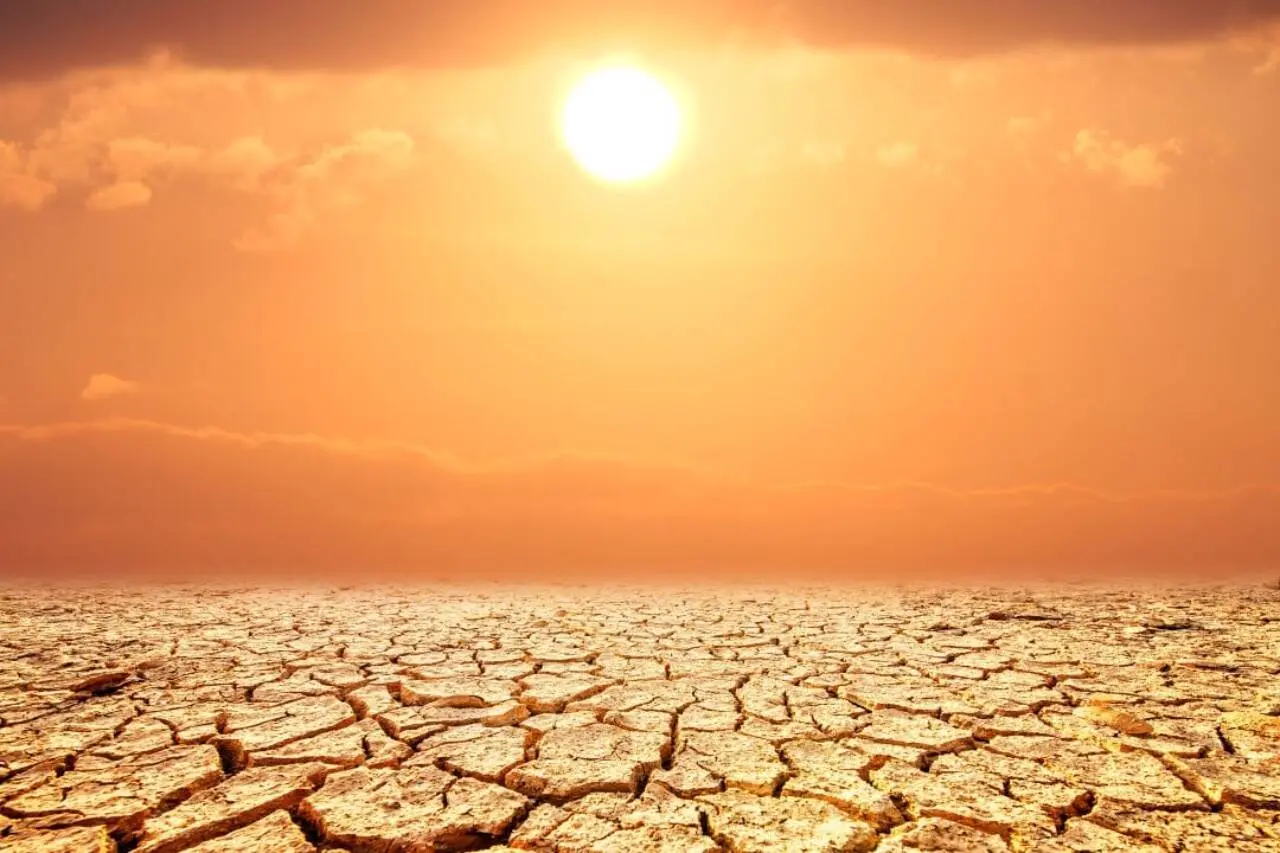
The equatorial Pacífico records accelerated abnormal warming and international models point to the development of a strong El Niño. Previsões of European Centre for Medium-Range Weather Forecasts (ECMWF) from June 2026 indicate sea surface temperature anomalies that may exceed previous records. Especialistas monitor the phenomenon that alters weather patterns in various regions of the planet.
The event is still in the early stages of development, but subsurface signs of deep heat are already attracting attention. Analistas follows the evolution to assess the final intensity and the effects expected in the coming months.
Modelos climate forecasts extreme warming in Pacífico
The latest ECMWF data shows a warming scenario that could drive sea surface temperatures to +3°C or +4°C above average in key areas of the equatorial Pacífico. In coastal regions of Peru and Equador, projections reach +5°C in some points.
Understand the case: Super El Niño and heat wave in the Pacific intensify climate impacts in the United States
Essa magnitude would place the phenomenon among the most intense in the modern era. Historical Comparações helps size risk.
- The 1982-83 El Niño recorded an anomaly of around +2.1°C and caused droughts and floods on a global scale.
- The 1997-98 event reached +2.4°C and is remembered as one of the most impactful of the 20th century.
- The 2015-16 temperature reached +2.6°C and contributed to global temperature records.
Current models suggest that the 2026 episode could surpass these levels. Heat stored in deeper layers of the ocean acts as a reservoir that fuels surface warming over the months.

Fenômeno alters global atmospheric circulation
El Niño occurs when warm waters concentrate in the eastern part of the equatorial Pacífico. Trade winds weaken or reverse, which prevents normal cooling of the waters near América and Sul. The result is a redistribution of thermal energy that modifies wind and precipitation patterns in various parts of the world.
Full coverage: Latest News (EN)
Regiões like Southeast Asia, Austrália and parts of América of Sul often experience drier conditions. On the other hand, areas east of Pacífico and some coastal regions may experience heavy rainfall. The cascade effect reaches all the way to the poles and influences the global average temperature.
The additional warming promoted by a strong El Niño usually raises the planet’s average temperature by about 0.2°C. With the backdrop of long-term warming, this increases the likelihood that 2026 or 2027 will become the hottest years on record.
More on this story: USA: Washington moves naval fleet to the Pacific in a strategy against influence and tensions with China
Impactos expected in Índia and Asian monsoon
Índia is one of the countries most sensitive to the effects of El Niño on the summer monsoon. The phenomenon tends to weaken the moist wind currents that bring rain from Oceano Índico. Preliminary Previsões and India Meteorological Department (IMD) already indicate the risk of below-average precipitation for 2026.
Estados from the center, west and northwest of the country, such as Maharashtra, Madhya Pradesh, Rajasthan, Gujarat and Uttar Pradesh, appear among the most vulnerable. Reduced rainfall in the second half of the monsoon, especially in August and September, could compromise the planting of kharif crops and create pressure on reservoirs.
Agricultores and authorities are monitoring the development of the phenomenon. Prolonged Secas affects not only food production but also the supply of hydroelectric power and access to water for human consumption.
On the same topic: Supertyphoon Sinlaku intensifies in the Pacific and warns of strong El Niño in Brazil
Global Efeitos include temperature and precipitation extremes
Além of the regional impact, the super El Niño potential raises the risk of extreme events on multiple continents. Severe Secas, prolonged heat waves, localized flooding and changes in rainfall distribution make up the typical picture.
Organizações like Organização Meteorológica Mundial (OMM) highlight the need for preparation. The phenomenon can worsen food security problems in regions already exposed to climate vulnerabilities. Países under development faces additional challenges in managing impacts on agriculture and infrastructure.
Learn more: Supertyphoon Bavi reaches category 5 and worries scientists in the Pacific
The extra heat in Pacífico also contributes to the increased likelihood of ocean and atmospheric temperature records. Corais and marine ecosystems suffer from thermal stress, as observed in previous events.
Preparação and monitoring are ongoing
Agências weather forecasters continue to update projections as new data arrives. The critical period for the peak of the phenomenon should occur between the end of 2026 and the beginning of 2027. Até there, daily monitoring of Pacífico temperatures and atmospheric indicators allows adjustments to the forecasts.
Governantes and international organizations discuss contingency plans. Medidas include strengthening early warning systems, water resources management and support for agricultural sectors. The scientific community reinforces that, although El Niño is a natural phenomenon, the context of background climate change amplifies its effects.
The development of the event may still vary. Modelos shows clear trend, but the final intensity depends on several dynamic factors. Autoridades recommend regularly monitoring official bulletins for necessary adjustments to local strategies.
More news in Latest News (EN)
See more →More news on Mix Vale
- 1Saxony-Anhalt results underscore growing momentum for European far-right parties ahead of key votes
- 2Julia Louis-Dreyfus reveals intense creative clashes shaped iconic sitcom ‘Seinfeld’s’ groundbreaking humor
- 3U.S. forces dismantle sophisticated floating drug refueling station tied to Ecuadorian narco-terror group
- 4Giants make unexpected roster move, release longest-tenured player Darius Slayton as Harbaugh era begins
- 5One Nation’s superannuation proposal sparks debate over retirement security and housing affordability
- 6AfD electoral win in Saxony-Anhalt faces governance hurdles, minor party crucial
- 7Austin Reaves enjoys Labor Day weekend after pivotal Lakers contract, poised for leadership
- 8Quieter Russian nuclear submarines heighten NATO’s Arctic defense concerns, alliance boosts northern presence
- 9NTSB confirms Amazon cargo jet crew survived Miami crash, five dead and five injured in runway overrun incident
- 10U.S. diplomatic efforts confront persistent China-Peru economic ties amid rising regional tensions