

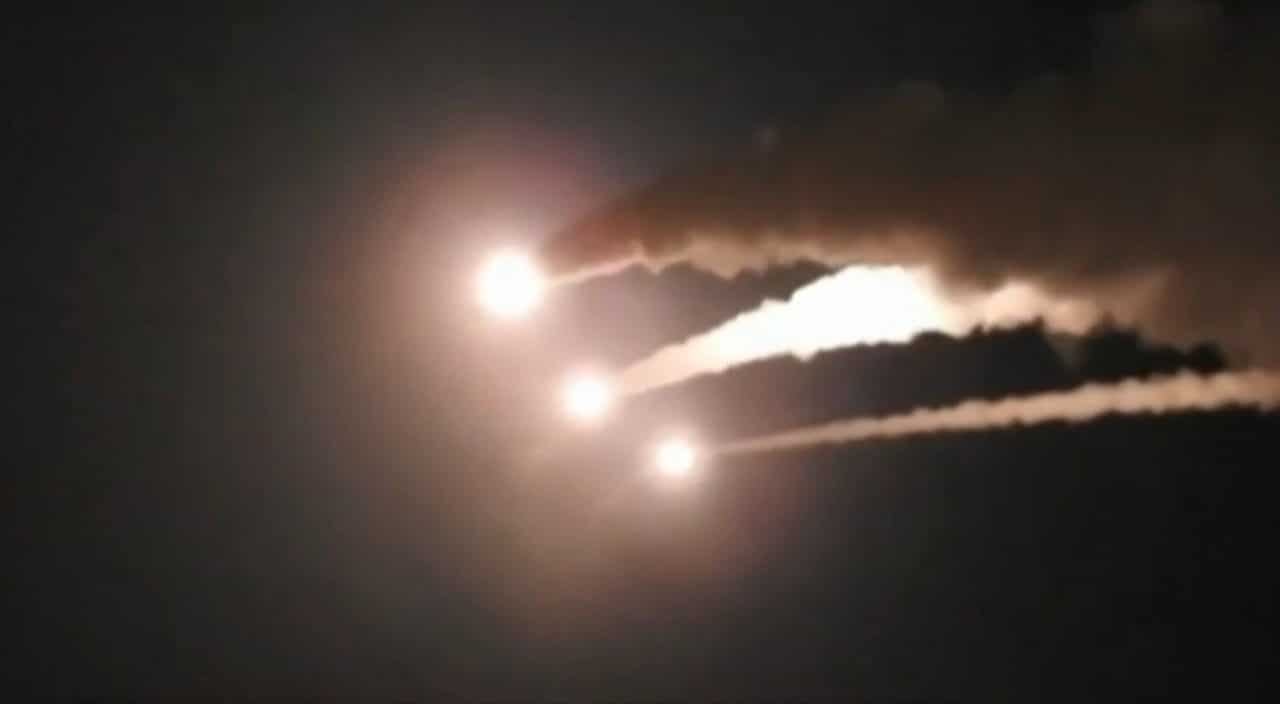
Israeli military forces carried out a new air attack against the territory of Lebanon this Tuesday. The main target of the operation was the historic city of Tire, located in the southern region of the country. At least eight people died as a result of the bombing, according to official data released by the Lebanese Ministry of Health. The offensive directly hit a residential area on the eastern outskirts of the municipality. Thousands of residents had to leave their homes immediately. The attack comes at a time of high complexity in security relations in the Middle East.
Direct impact on the southern Lebanese region
Israeli authorities have issued comprehensive evacuation orders for the entire city of Tire. The military determination even included the traditional historic Christian neighborhood, changing the routine of one of the oldest urban areas in the region. Civilians were given clear instructions to head north of the Zahrani River, seeking safe routes away from the delimited impact zone. Columns of smoke and explosions could be seen from the coast, highlighting the intensity of the operation. The forced displacement generated a large flow of vehicles and pedestrians on the main highways in southern Lebanon.

Local infrastructure suffered significant structural damage after the missiles landed in the residential area. Rescue teams and paramedics faced logistical difficulties accessing the rubble due to roadblocks and the ongoing risk of further airstrikes. Hospitals in the southern region operate above maximum care capacity, receiving injured people from different neighboring locations affected by the operations. The Lebanese government is trying to coordinate the opening of temporary shelters in schools and community centers further north. The logistics of distributing basic supplies has become a complex challenge for humanitarian aid organizations operating in the country.
Donald Trump’s diplomatic intervention
The resumption of bombings in Lebanon occurred just one day after a strategic retreat between Israel and Iran. The two countries had suspended direct attacks on each other following a public call from United States President Donald Trump. The American leader intervened in the negotiations with a direct appeal for an immediate end to frontal hostilities between the two military powers. Diplomatic sources indicate that the decision to halt retaliations against Iranian territory came after a telephone conversation between Prime Minister Benjamin Netanyahu and Donald Trump.
Despite the pause in direct confrontation with Tehran, the Israeli government maintained its offensive stance towards Lebanon. The Israel Defense Forces made it clear that military operations against Hezbollah group positions would continue in full force and without interruption. The focus of the military campaign remains on the destruction of arsenals and supply routes located on the northern border. Iran, in turn, formally warned that it would respond to any new offensive against the capital Beirut or southern Lebanon. Iranian authorities accuse Netanyahu’s government of breaking the terms of the truce by maintaining constant military pressure on the neighboring country.
Historic heritage under military threat
The city of Tire represents one of the most important archaeological and cultural sites in the entire Mediterranean. With around four thousand years of documented history, the municipality of Phoenician origin is home to ancient ruins and monuments internationally recognized for their inestimable value. The current urban area coexists side by side with traces of ancient civilizations, including Roman hippodromes and ancient commercial ports. The missile strikes on residential areas near these sites raise global concerns about the preservation of humanity’s cultural heritage. Archeology experts monitor the security situation from a distance.
The impact of modern explosives has the potential to cause irreversible damage to structures that have withstood millennia of climate change and previous conflicts. The United Nations Educational, Scientific and Cultural Organization monitors daily developments in the coastal region of Lebanon. The local economy, historically dependent on international tourism and traditional fishing, is completely paralyzed by ongoing military operations. Residents who depend on these activities have abruptly lost their sources of income in recent weeks. Rebuilding the city’s social and economic fabric will require prolonged investment efforts.
Regional developments and humanitarian crisis
The protracted conflict between Israel and Hezbollah has resulted in a displacement crisis unprecedented in the recent history of the Lebanese state. More than a million people have already been forced to leave their homes since the start of military operations in the border area. The escalation of violence tests the limits of international diplomacy and increases the risk of broader involvement by other regional state actors. The dynamics of the confrontation involve multiple strategic factors that directly affect the survival of the civilian population.
The immediate consequences of the war on the territory of Lebanon include:
- Critical overload of the public health system in Beirut and northern cities.
- Indefinite interruption of the school year for hundreds of thousands of Lebanese students.
- Documented shortages of essential medicines and basic medical supplies for surgeries.
- Chronic difficulty in supplying fuel and maintaining the electricity network.
- Exponential increase in food prices in urban areas receiving internal refugees.
International relief agencies call for the urgent opening of safe humanitarian corridors to ensure the delivery of vital assistance. The international community is trying to forge parallel localized ceasefire agreements to mitigate the suffering of displaced families. The harsh winter approaching in Lebanon’s mountainous areas adds an extra layer of urgency to rescue and shelter efforts coordinated by the central government.
Border security perspectives
The Sunday before the attack in Tire was marked by an intense exchange of fire that redefined the rules of military engagement in the region. Iran launched projectiles into Israeli territory in response to previous bombings that hit targets in Lebanon. Israel’s air defense system intercepted most ballistic threats, but Benjamin Netanyahu’s government quickly responded by striking military targets inside Iranian territory. The rapid succession of attacks and counterattacks demonstrated the fragility of the security balance in the Middle East. Donald Trump’s direct intervention managed to temporarily contain the Iranian front.
The behavior of Hezbollah forces in the coming weeks will determine the pace and intensity of Israel’s military operations. The Israeli Prime Minister publicly reinforced that any attack on his territory will receive an immediate military response proportional to the threat. The strategy of isolating the Lebanese front from the Iranian front is consolidated as the current tactic of the Israeli Ministry of Defense. While diplomats seek solutions in international offices, the population of southern Lebanon continues to face the daily reality of sirens and aerial bombardments. The future of regional stability depends on mutual concessions and security guarantees across disputed borders.