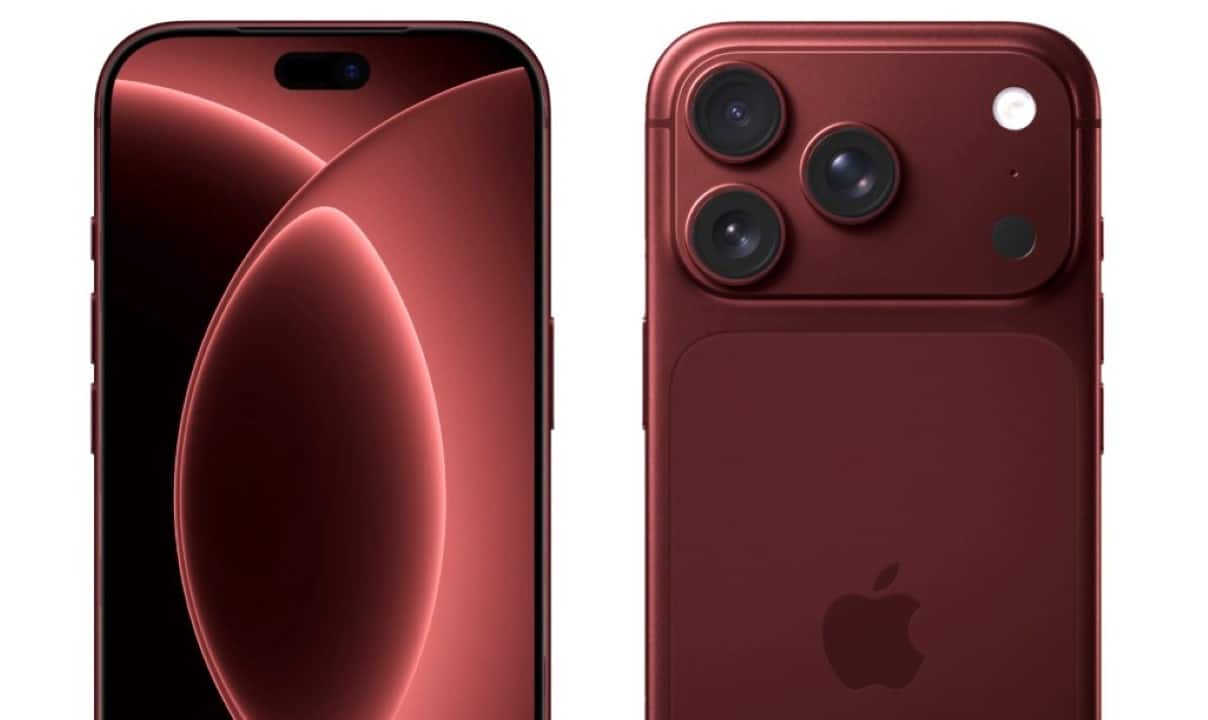
Apple presented a new smartphone model to the international market that breaks with the visual standards adopted by the company in the last decade. The main highlights of the unprecedented device are a completely transparent back and a substantial increase in energy capacity. The paradigm shift in design allows consumers to visualize the device’s internal components, an aesthetic choice that harks back to the brand’s classic computers from the late 1990s, but now applied to extreme mobility.
The global launch aims to meet a growing demand for visual innovation and longer usage time away from sockets. Engineers from the Cupertino-based company worked to reorganize the logic board and internal modules, ensuring that the display of the parts conveyed a clean and symmetrical appearance. This change required new assembly methods, since any imperfection in the production line, such as excess glue or misaligned cables, would be visible to the end user upon first contact with the product.
Aerospace titanium structure and high-resistance glass
To support the new translucent panel, the manufacturer chose to use an aerospace-grade titanium frame. The material replaces stainless steel and aluminum from previous generations, offering a superior strength-to-weight ratio. The metal chassis acts as the backbone of the device, protecting exposed circuitry from everyday bumps and twists without adding extra grams to the phone’s overall weight.
The rear glass has undergone a rigorous manufacturing process to ensure durability without compromising transparency. The surface receives a specific chemical treatment that reduces fingerprints and scratches, common problems in devices with a glossy finish. During assembly, optical sensors scan each piece of glass in search of microcracks invisible to the naked eye, immediately discarding components that do not meet the quality standards required by the production line.
The union of titanium with transparent glass creates a direct visual contrast with competitors in the telephone sector. While most brands rely on solid colors or reflective gradients, the new approach exposes the product’s engineering as its main aesthetic appeal. The seal between the materials was reinforced with industrial polymers to maintain water and dust resistance certification, preventing particles from entering and dirtying the visible interior of the device.
Historic leap in autonomy with 5200 mAh module
The energy aspect represents one of the biggest technical evolutions of the new device, which now houses a 5200 mAh battery. This number marks a clear departure from the smaller batteries traditionally used by the company, placing the device on the same level of capacity as the more robust models in the rival ecosystem. The physical expansion of the component was made possible by the miniaturization of other internal parts and the complete redesign of the motherboard.
To manage the heat generated by the high-density battery and processor, Apple implemented a vapor chamber-based cooling system. The technology dissipates temperature evenly through the titanium structure, preventing overheating during heavy tasks, such as recording videos in very high resolution or playing intense games. Graphite layers have also been strategically positioned around the battery to aid continuous thermal transfer.
The fast charging system has been updated to support the new energy capacity without tethering the user to the socket. The device can go from zero to one hundred percent charged in less than an hour using high-power power adapters. Internal software learns the owner’s daily usage patterns, optimizing overnight current flow to preserve the long-term chemical integrity of the lithium-ion cell.
2 nanometer processing and focus on artificial intelligence
The engine behind the new smartphone is a processor manufactured using 2-nanometer lithography, a technical milestone in the semiconductor industry. This reduction in the size of the transistors allows more computing power to be packed into a smaller physical space, resulting in a direct gain in speed and efficiency in energy consumption. The chip works together with 12 GB of RAM, ensuring absolute fluidity when switching between dozens of applications open simultaneously.
The component architecture was designed with a focus on artificial intelligence operations running locally on the device itself. The integrated neural engine processes complex algorithms without the need to send data to external servers, which increases user privacy and reduces response time for actions. Advanced processing capabilities enable a range of unique software functions:
- Simultaneous translation of audio and text conversations without the need for an internet connection.
- Generative photo editing, allowing you to remove objects or expand scenes in milliseconds.
- Predictive power management, which disables unnecessary antennas based on location routine.
- Real-time transcription of long meetings with automatic identification of different speakers.
The thermal performance of the 2 nanometer processor complements the work of the vapor chamber system. Even operating at maximum capacity when executing complex language models, the chip keeps temperature under strict control. The user can use heavy artificial intelligence resources for consecutive hours without noticing sudden drops in battery percentage or slowdowns in the graphical interface.
Expanded OLED screen and advances in optical assembly
The visual interaction area has also grown, going from 6.3 inches in previous generations to a 6.9-inch OLED panel. The enlargement of the screen was achieved by drastically reducing the black borders around the display, keeping the overall dimensions of the device comfortable for handling with just one hand. The display offers a higher peak brightness, making it easier to read text and view maps in direct sunlight in the middle of the day.
The set of rear cameras received physically larger sensors, designed to capture a greater volume of light in dark environments. Night photography features less digital noise and more accurate colors, a direct result of the combination of new glass lenses and main chip image processing. A special anti-reflective coating has been applied to camera glass to eliminate unwanted light artifacts when photographing strong light sources such as streetlights or headlights.
The optical zoom system has been recalibrated by optical engineers to provide greater stability at long focal lengths. Tiny stabilization motors compensate for the natural tremors of the user’s hands, ensuring fluid videos and sharp photos even at extreme magnifications. Integration between camera hardware and artificial intelligence software allows for continuous real-time focus and exposure adjustments, quickly adapting to moving urban scenes.
Automated distribution and assembly logistics
Mass production of the new smartphone requires a highly automated assembly line, due to the microscopic precision required to handle the titanium chassis and transparent glass. State-of-the-art robotic arms snap together internal components, ensuring the logic board and battery are perfectly aligned for public display. Human intervention in the factory is limited to supervision of computerized quality control systems.
Before being packaged, each unit undergoes rigorous physical stress testing and software verification. High-resolution cameras inspect the visible interior of the device to ensure there is no dust or manufacturing residue to detract from the transparent aesthetics. Only devices that achieve maximum scores in liquid tightness and thermal performance tests are released for shipment to international markets.
The global distribution strategy involves chartering dedicated cargo planes to transport millions of units simultaneously from Asian factories. The company coordinated the complex logistics network so that the launch takes place synchronously in the main capitals of the world, avoiding stock shortages in the first weeks of sales. The planning reflects the company’s effort to maintain its large-scale delivery capacity in the high-end technology segment.
