

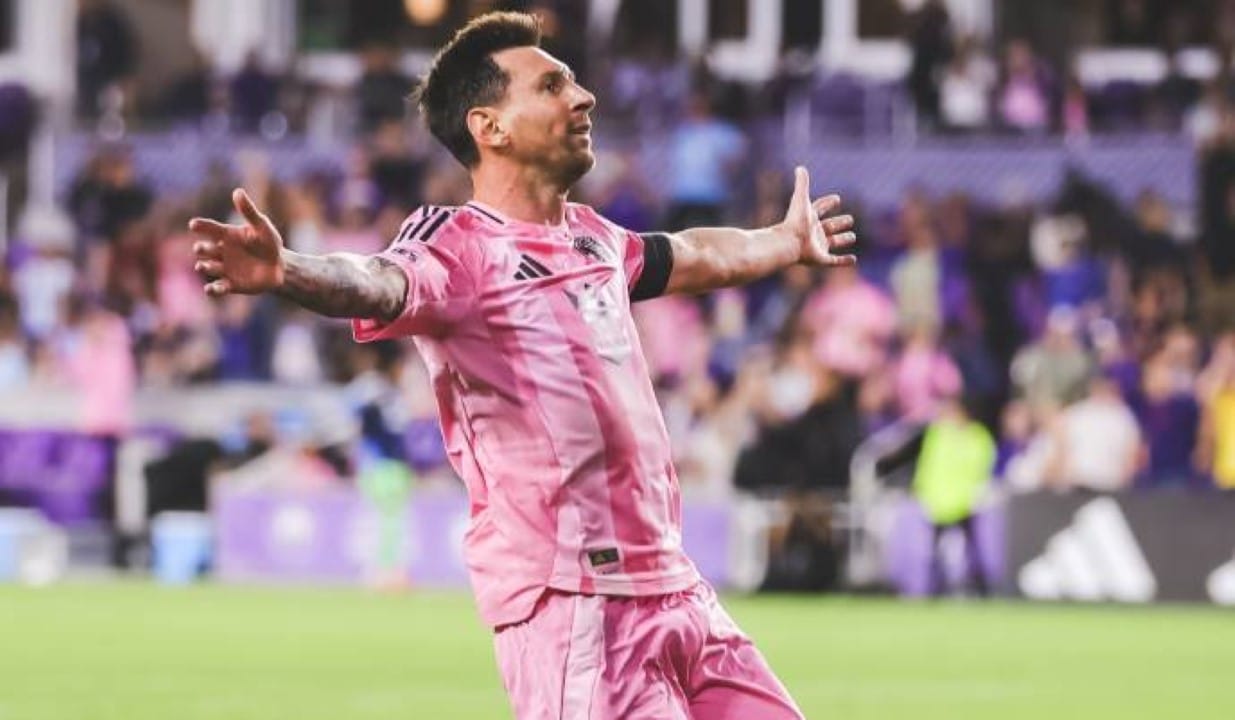
The proximity of the biggest national team tournament on the planet usually reveals curious stories, but few illustrate the inequality of sport as well as the financial gulf between the athletes involved. On the one hand, Argentine star Lionel Messi boasts annual salaries of US$28.3 million defending the colors of Inter Miami in the United States. On the other, New Zealand defender Tim Payne earns around US$59,000 net per season playing in Oceania. The brutal income discrepancy came into the global spotlight after an unexpected mobilization on digital platforms, which transformed the modest Wellington Phoenix player into an instant celebrity on the eve of the competition.
The media phenomenon began unpretentiously, focused on finding the athlete with the least commercial appeal among all those called up for the tournament. The joke took on gigantic proportions and completely changed the 32-year-old defender’s routine. To have an exact dimension of the economic contrast, the South American star needs approximately eighteen hours of his contract in Major League Soccer to earn the same amount that the New Zealander takes twelve months to earn with his sweat on the pitch.
Influencer campaign turns defender into digital phenomenon
The turnaround in the Oceanian athlete’s public life originated in South America, led by Argentine content creator Valen Scarsini. The influencer carried out a detailed mapping of the squads of the teams qualified for the 2026 World Cup with a peculiar objective. The goal was to identify the player with the smallest fan base registered on social media and promote a virtual effort to reverse this digital isolation.
The choice fell on New Zealand’s number two, triggering a wave of engagement that overturned any optimistic predictions. Fans from different parts of the world embraced the cause, creating an organic movement to value so-called alternative football. The numerical impact of this mobilization rewrote the defender’s profile in record time, generating impressive statistics by the country’s standards:
- The athlete’s official profile jumped from a mere 4,700 followers to a legion of more than 4.6 million connected accounts in just a few days.
- The defender quickly surpassed the virtual popularity of historical rugby idols, a sport that dominates national preference in New Zealand.
- The internet was flooded with humorous montages, theme songs and messages of support written in dozens of different languages.
- Far from ignoring the movement, the player recorded thank you videos scratching the Spanish language to repay the affection of his new followers.
The repercussion crossed borders and established the motto “No Payne, No Gain” as one of the unofficial catchphrases of the pre-tournament phase. The player’s family had to quickly adapt to the new reality, with the athlete’s wife taking on the role of informal translator to help decipher the avalanche of affectionate messages sent daily by newly acquired fans.
Salary structures expose opposing realities in the football market
The numbers released by the North American league players association reveal the financial level occupied by the great global idols. Lionel Messi’s guaranteed compensation for the 2026 season reaches the mark of US$28.3 million, including the base salary and bonuses provided for in the contract. This astronomical package is made possible by the designated player rule, which allows United States franchises to exceed the spending cap to attract international stars and leverage broadcasting rights.
At the other end of the sporting spectrum, reality requires much more restrained financial management. The Wellington Phoenix, a team that defends the colors of the New Zealand capital, competes in the Australian A-League, a championship subject to strict budget restrictions to maintain balance between clubs. In this system, the contract signed by the defender guarantees a weekly payment of 1,600 Australian dollars.
When converted and discounted for local taxes, the gross amount of US$83,000 per year drops to approximately US$59,000 net. This amount places the national team athlete at a level of income close to that of middle-class professionals in developed countries, showing that the majority of football workers are far from the millionaire figures that appear on the covers of European and North American sports newspapers.
International experience and consolidation in New Zealand defense
Although his sudden fame has only just arrived, the defender’s professional career is marked by consistency and dedication to the local sport. Born on January 10, 1994, he began his career in the youth ranks with enough prominence to be called up early to the country’s main team. Today, he has accumulated more than fifty official matches wearing the All Whites shirt in continental and knockout competitions.
His tactical importance for the Oceania club was recently recognized behind the scenes in the boardroom. Wellington Phoenix offered a contract extension valid until 2028, guaranteeing the permanence of a fundamental piece of the team’s defensive scheme. The three-season agreement reinforces confidence in the athlete’s versatility, capable of acting with the same efficiency both in the center of the defense and on the sides of the field.
Even in the face of virtual harassment and proposals for advertising campaigns that are beginning to emerge, the main focus remains on performance within the four lines. The national team’s technical committee trusts in the player’s maturity to protect the dressing room and use the positive energy of the virtual stands as extra fuel for the difficult clashes approaching in the group stage.
Premieres calendar and the democratic magic of the tournament
New Zealand’s preparation schedule is at an advanced stage, with crucial tests being carried out against opponents from different tactical schools. A recent friendly played against the Haitian national team served to adjust the team’s defensive positioning and test play variations. The viral defender has practically confirmed his presence among the starters for the eagerly awaited debut match in Group G, scheduled for June 15th against Iran.
Coincidentally, the main symbol of wealth in current football will enter the field shortly afterwards. The Argentine team, captained by Inter Miami’s number 10, begins its journey on June 16th in a duel against Algeria. The fact that they both share the same tournament, host official gatherings and step on the same pitches reinforces the unique character of the highest competition in world sport.
The coexistence of football billionaires and sports workers in the same event is what sustains the base of the international football pyramid. While global stars travel surrounded by private security and manage corporate empires tied to their image rights, athletes from smaller federations approach the sport with the genuine passion of those who play for the pride of representing their nation on the biggest stage possible.