

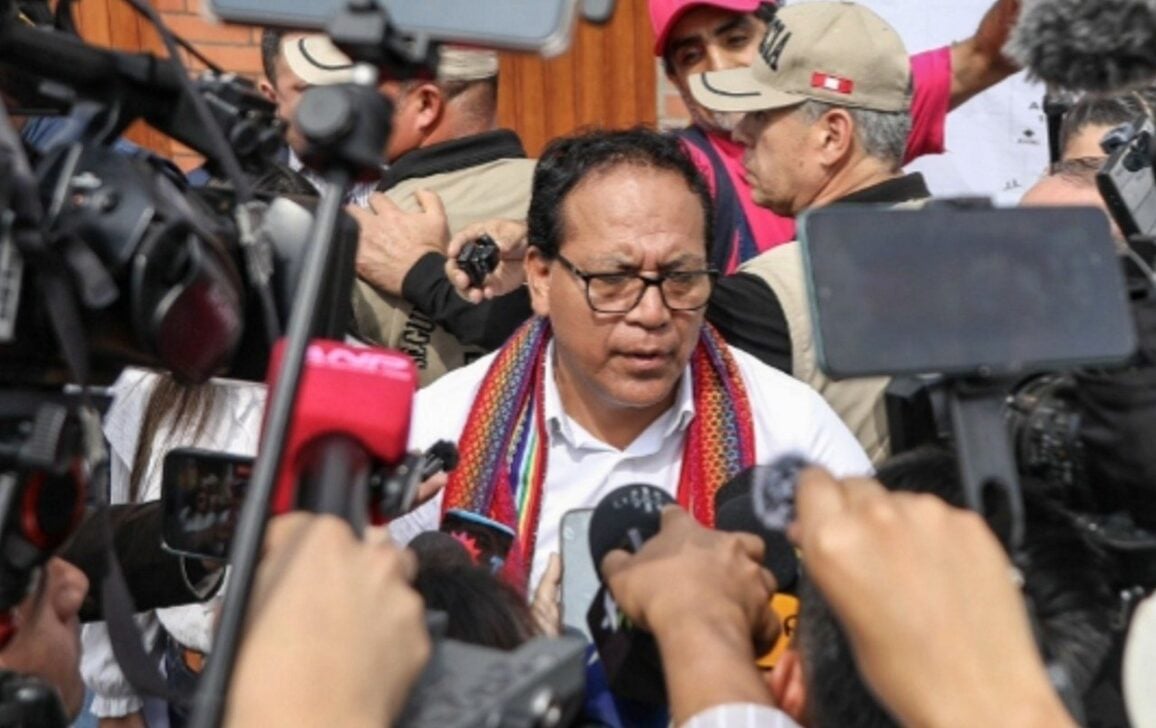
With 97% of the ballots counted, left-wing candidate Roberto Sánchez leads the presidential race in Peru by a margin of around 27 thousand votes over right-wing candidate Keiko Fujimori. The difference, which represents less than 0.1% of valid votes, keeps the result completely open.
The official proclamation of the winner should only take place in mid-July, according to electoral authorities. The deadline is due to the processing of around 1,500 observed minutes, which require verification to correct inconsistencies or formal errors before being included in the final count.
The spokesperson for the National Elections Juror (JNE), Pedro Valdívia, informed that a period of up to 30 days is necessary to analyze the minutes and possible recount requests sent by political organizations. Each vote at this stage can change the outcome of the election.
Votes from rural and remote areas tend to favor Sánchez, from the Together for Peru party, while records from abroad and the metropolitan region of Lima tend to benefit Keiko Fujimori, from Força Popular. This geographic division already appeared in the first round and is repeated now.
The Peruvian Ministry of Foreign Affairs indicated that material from important consulates, such as those in Paterson and Los Angeles, in the United States, Buenos Aires, in Argentina, and Rome, in Italy, is still on the way. Climatic factors also delay the sending of envelopes from difficult-to-access regions.
While the counting progresses slowly, the two candidates have appealed for calm and respect for the results. So far, none of them have raised allegations of fraud in a forceful way.
What are observed minutes
The observed minutes are documents from each voting table that present material errors, such as numerical inconsistencies or transcription problems, and therefore do not automatically enter the count. They undergo analysis to ensure the validity of the votes recorded.
The process involves first instance in special electoral juries and, if there is an appeal, final analysis by the JNE in a public hearing. Only after the resolution are the votes incorporated into the official result.
Recount of votes in specific cases
The physical recount of ballots occurs when there is incomplete or illegible data or when the numbers do not add up, such as the number of votes exceeding the total number of voters. The procedure is carried out in the presence of authorities and party representatives.
The ballots are opened, displayed one by one and confirmed individually by the jury members. Party representatives can monitor, but not challenge, votes during this stage.
This election reinforces the history of close disputes in Peru, where minimal differences have already led to long certification processes and political tensions. The final result will define not only the next president, but also the direction of policies in areas such as public security and economic reforms in a country marked by recent instability.