

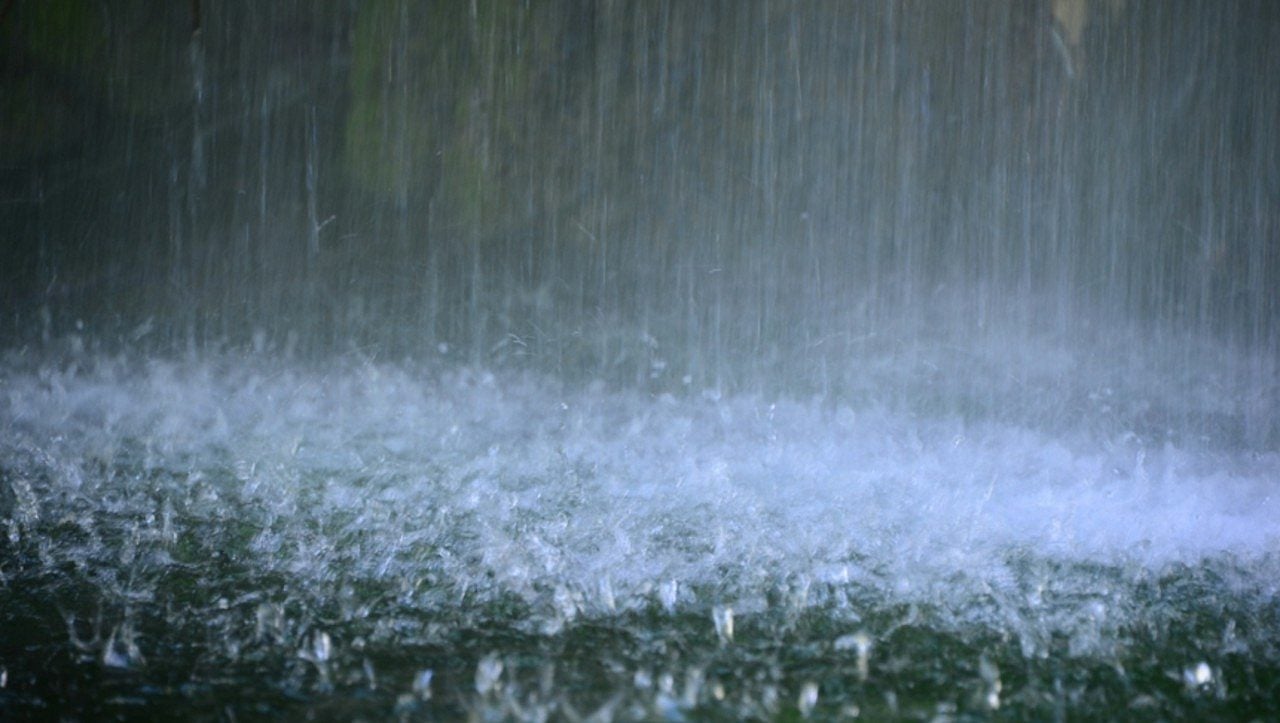
Tropical Storm Cristina has parked off the Pacific coast, raising the risk of flooding in Nicaragua.
Authorities warn that persistent rain could accumulate up to 300 millimeters in western areas, with threats of landslides, river flooding and damage to essential infrastructure.
Adverse weather conditions following Tropical Storm Cristina caused severe damage in Nicaragua.
Tropical Storm Cristina caused serious damage in Nicaragua, where its stay off the Pacific coast intensified the risk of flooding, landslides and problems with essential infrastructure.
According to a report by the newspaper 100% Noticias, experts warn that, although the system remains practically stationary, the continuous rains will continue to affect departments such as León and Chinandega.
In the last few hours, authorities have maintained a state of alert due to the possibility of rainfall accumulation that could reach 300 millimeters in some areas. The storm, whose center was located just 40 kilometers from the coast, between Poneloya and Puerto Sandino, directly impacted large areas of western Nicaragua.
Storm surges and damage in coastal areas
The resort of Paso Caballos, in Corinto, was one of the areas hardest hit by the strong waves. Businesses and residents reported damage to structures and flooding in urban areas close to the beach since early morning. Images circulating online show businesses and homes partially flooded and with visible damage caused by the storm surge.
In response, municipal teams worked throughout the day to contain the damage and assist those affected. Authorities maintain constant surveillance in case the waves persist or intensify throughout the day.
Emergencies on highways and main roads
The rains associated with Storm Cristina also caused traffic problems in the capital. In Managua, city hall teams worked to drain the accumulation of water around the El Jobo micro-dam, an essential infrastructure for rainwater drainage during the rainy season.
The rains associated with Storm Cristina also caused traffic problems in the capital.
A crater that opened at the entrance to kilometer 13 of the Masaya highway trapped a truck during the early hours of the morning, forcing the use of heavy machinery to stabilize the road and avoid major accidents, according to a report by 100% Noticias.
Additionally, in the San Judas sector, rain damaged another main road, requiring urgent repairs to restore vehicular traffic.
Fishermen rescued after shipwreck in the Pacific
The adverse sea conditions caused by the storm nearly led to a tragedy on the Pacific coast. Five fishermen, identified as Ángel de Jesús Bermúdez, Kelvin Navarro Rojas, Juan Carlos Carmona, José Armando Ortiz and Cristian Alexander Carmona, were rescued after their boat, the “Santa Rosa La Boquita”, capsized in the early hours of the morning due to strong waves.
The survivors, all originally from Casares, Carazo, remained adrift for several hours and were located on Miraflores Beach, in Villa El Carmen, thanks to the collaboration of other fishermen.
The Nicaraguan Army confirmed that the Naval Inland Waters Detachment continues to monitor the meteorological and maritime situation on a permanent basis.
Persistence of the phenomenon and additional risks
“Cristina is generating constant winds between 10 and 20 kilometers per hour, with gusts reaching 40 kilometers per hour,” authorities reported. Additionally, waves are reaching heights of up to two meters in the Pacific and inland waterways, increasing the danger to fishing and shipping.
The situation worsens because the storm remains stationary, causing the same regions to receive continuous rain. This pattern increases the risk of flash floods, landslides, river flooding, and greater damage to infrastructure and vulnerable communities.
So far, monitoring of weather conditions and the response of emergency teams have been constant, as the country prepares to face new impacts in the coming hours, if the phenomenon does not move to the open sea.