Opening of the 2026 World Cup in North America highlights the history of the five most successful teams

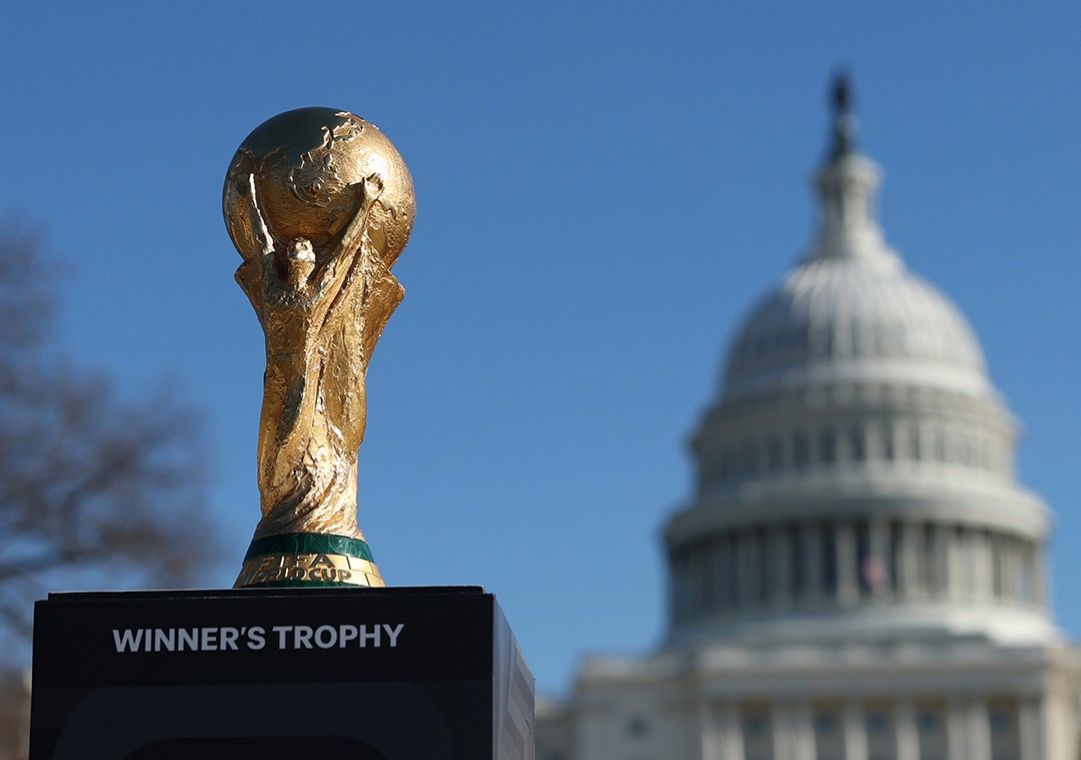
The kickoff of the biggest football tournament on the planet takes place this June 11, 2026, inaugurating an unprecedented logistical format with a triple venue divided between the United States, Mexico and Canada. With the expansion of the table to accommodate 48 teams, the competition takes on new contours and a more extensive calendar, but the weight of the shirt of the traditionally winning nations continues to be a technical and psychological difference. Before the first clashes dominate global attention, it is essential to recover the trajectory of the five countries that dominate the trophy gallery of the sport’s highest entity.
The hegemony of the Brazilian team with its five global achievements
The only participant to be present in all editions of the championship, the green and yellow team boasts the absolute record for cups, consolidating a legacy of stars who transformed the way football is played. The victorious journey began on the pitch of Sweden in 1958, when a young Pelé rose to global stardom, scoring decisive goals in the final against the home team and overcoming frustrations from previous campaigns. Four years later, in Chile, despite losing their main player to injury early on, the brilliant Garrincha took on the offensive role and secured their second title against Czechoslovakia.
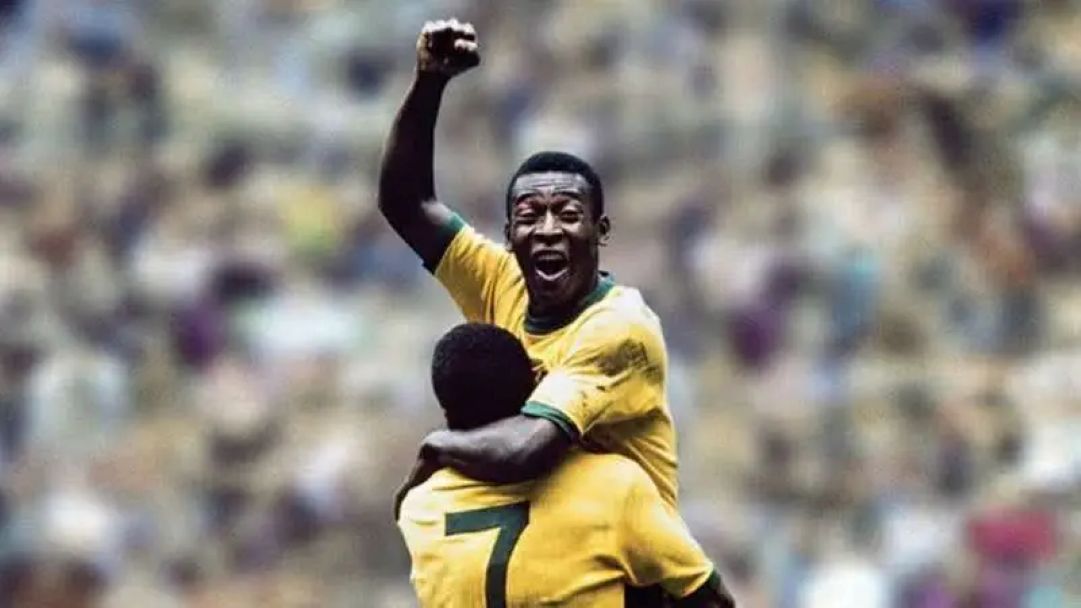
The third championship came in apotheotic fashion in 1970, in Mexico, with a squad that many experts consider the best of all time. Led by names like Rivellino, Tostão and Jairzinho, the team enchanted the planet by thrashing Italy in the final, culminating in a historic collective goal finished by Carlos Alberto Torres. After a long hiatus of more than two decades, the consecration of the tetra took place in the United States, in 1994, driven by the harmony of the duo Romário and Bebeto in a tense final decided on maximum penalties after the error of the Italian Roberto Baggio.
Finally, the first competition hosted on the Asian continent, in 2002, crowned the perfect campaign of the team led by Luiz Felipe Scolari. With a 100% performance, the team overcame England in a difficult game in the quarterfinals and saw Ronaldo Fenômeno shine in the unprecedented final against the Germans, scoring twice to seal the fifth championship.

The recovery power and tactical efficiency of Germany’s squadron
With an impressive record of arrivals in decisive stages, the Europeans have won four trophies, always demonstrating enormous capacity for adaptation and discipline. The first triumph, known in sports culture as the “Miracle of Bern”, occurred in Switzerland in 1954, when the team defeated the unbeatable Hungary, reversing an initial two-goal deficit. Two decades later, playing at home, the team captained by Franz Beckenbauer and driven by Gerd Müller’s goals neutralized the innovative Dutch carousel to lift the trophy.
The third star was embroidered on the uniform during the 1990 competition in Italy, in a truncated clash that served as a direct rematch against the South Americans who had defeated them four years earlier. The fourth championship, in turn, carries strong memories for Brazilians, as the 2014 campaign included the unforgettable elastic score over the hosts in Belo Horizonte, before the narrow victory in extra time against Argentina at Maracanã, secured by a precise shot from Mario Götze.
The defensive solidity that guaranteed four world cups for Italy
Known worldwide for its relentless marking system, the blue squad also has four victories, despite having faced difficulties in the most recent qualifiers. The initial dominance occurred in the 1930s, with the 1934 home title under the strong influence of the political context of the time, followed by the second championship in France in 1938, both under the leadership of strategist Vittorio Pozzo, who assembled extremely competitive teams by the standards of that period.
The long streak of achievements was broken in 1982, on Spanish lawns, thanks to the enlightened phase of striker Paolo Rossi. After a start to the tournament full of draws, the player lost his balance in the second phase, eliminating favorites and securing the tri against the Germans. The most recent glory occurred in 2006, in Germany, when a squad that was dealing with the consequences of internal scandals in local football beat France on penalties, in a match remembered both for Zinedine Zidane’s expulsion and Fabio Grosso’s perfect penalty.
Argentina’s three titles guided by historic sporting idols
The South American nation built its winning mystique always supported by outstanding individual talents who took responsibility in critical moments. The first cry of champion echoed in Buenos Aires in 1978, with Mario Kempes commanding the offensive sector and scoring twice in the dramatic victory over the Netherlands in extra time. Eight years later, in the Mexican heat, Diego Maradona delivered one of the most spectacular performances ever recorded, carrying the team to victory over West Germany and immortalizing brilliant plays against England.
The definitive consecration of the current generation took place in Qatar, in 2022, ending a wait of thirty-six years. In an electrifying final against the French, which featured a hat-trick from Kylian Mbappé and two balls into the net from Lionel Messi, the decision went to penalties. Gonzalo Montiel’s success allowed the number ten to finally lift the trophy that was missing from his gallery, consolidating his third championship.
Uruguay’s pioneering spirit and the weight of its first global achievements
Despite having a much smaller population base than its main rivals, the celestial team carries the prestige of having inaugurated the golden age of international football. As the host country of the inaugural event in 1930, the team confirmed its initial favoritism by overcoming its Argentine neighbors in the big decision played at the Centenário Stadium, marking the official beginning of the sport’s global competitions.
The most legendary chapter of this trajectory, however, was written in 1950, in an episode that redefined the history of the sport. Just needing a draw to win the cup, the home team saw the Uruguayans turn the score around in the final stage with a fatal shot from Alcides Ghiggia. The result silenced a packed stadium in Rio de Janeiro and guaranteed the second championship in a feat of tactical resilience that shaped the country’s sporting identity forever.
Top scorers of the champion teams and the scenario for the current tournament
Together, these five powers hold eighteen titles, largely dominating the competition timeline. Each of these football schools revealed top scorers who left their names etched in the record books, establishing marks that last for decades:
- In the green and yellow squad, Ronaldo Nazário leads the historical statistics with fifteen balls in the net throughout his appearances.
- On the European side, German Miroslav Klose holds the absolute record for the overall tournament, scoring sixteen goals.
- The Italians share their top score between Paolo Rossi and Roberto Baggio, both with nine goals scored in world cups.
- In the current South American champions, Lionel Messi has accumulated thirteen goals, being a fundamental player in the most recent victorious campaign.
- Among the celestial pioneers, Oscar Míguez remains the best scorer in the country’s history in the tournament, with eight accurate shots.
The start of the clashes in North American stadiums introduces a complex logistical format that will place great demands on the physical preparation of the delegations. With more places available in the group stage, emerging teams have the chance to gain visibility, but the presence of these historic powers sets the bar for any team that aims to reach the top of the sport in the coming weeks.