

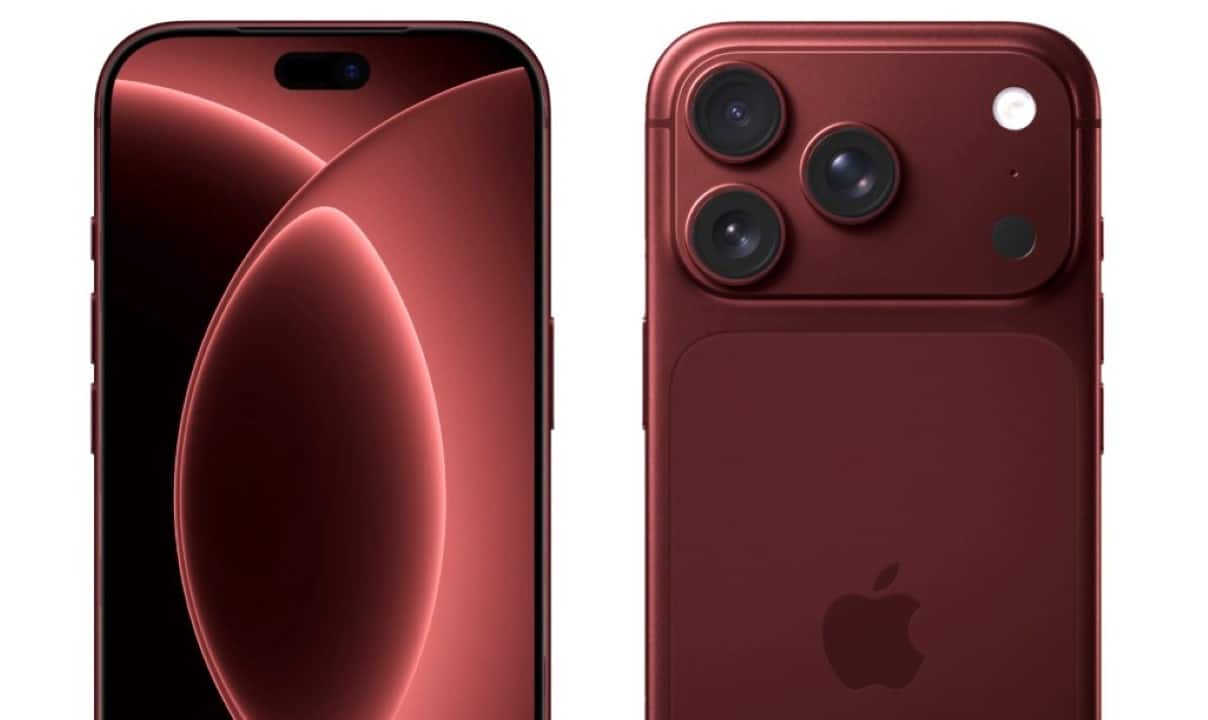
The Cupertino giant is organizing the arrival of the long-awaited iPhone 18 Pro for September 2026, promising a profound visual overhaul. Apple’s next premium cell phone should abandon the traditional finish to adopt a semi-transparent back panel, accompanied by a power tank that exceeds the 5000mAh mark. This aesthetic change represents a milestone in the trajectory of the mobile device line, breaking with the design standards established by the company over recent years.
To achieve this unprecedented appearance, the engineering team had to completely redesign the motherboard and heat dissipation mechanisms. The decision to leave the internal components visible required the creation of materials that do not suffer from yellowing caused by time or physical wear. Furthermore, the project consolidates the definitive transition to the exclusive eSIM format in all countries, eliminating the physical chip drawer and making room for the implementation of more advanced hardware technologies.
Radical changes to the internal structure to accommodate the new translucent design
The adoption of a housing that allows you to see the inside of the device forces the manufacturer to rearrange the parts for both aesthetic and functional reasons. The back panel will use a combination of ultra-resistant glass and special resins to ensure that the original colors remain intact, as well as offering protection against everyday impacts and scratches. With this transparency, users will be able to directly observe crucial hardware elements such as the wireless charging coil and processing modules.
Thermal management has gained increased attention to prevent heat from damaging the internal appearance or performance of the equipment. The company will implement a vapor chamber cooling system, replacing the old graphite blankets in the task of dissipating high temperatures. This change transforms refrigeration into a true design element, as the internal parts will receive a darkened finish and uniform textures, ensuring impeccable visual harmony beneath the glass.
The assembly process in factories will require a level of precision unprecedented in the industry. Production lines are being adapted to ensure parts are perfectly aligned and protected under the new cover. Strict certifications are being applied to ensure that the junction between the metal edges and the rear glass does not compromise the structural integrity of the cell phone, blocking the entry of microdust particles and increasing the rigor of quality control.
End of the chip tray and the historic leap in power capacity
The iPhone 18 Pro will house a very high density battery, easily surpassing the 5000mAh barrier, with some variants in the line reaching an impressive 5200mAh. This increase represents the biggest leap in energy capacity ever recorded in the history of the brand’s smartphones. The use of a new cell chemistry, based on a silicon-carbon anode — a technology that has already been tested by Asian rivals such as Honor and Xiaomi to maximize autonomy — allows it to store much more electricity without increasing the physical thickness of the device.
This gain in internal space was only possible thanks to the definitive removal of the tray for physical SIM cards. Apple plans to abolish the traditional reader on all units sold globally, expanding a change that began in isolation in the United States in 2022. The full migration to eSIM frees up precious millimeters on the main board, allowing engineers to accommodate new communication modules and expand the area dedicated to passive system cooling.
The improvement in autonomy arrives to meet the continuous demands of advanced processing. Prolonged use of heavy applications, high-end games and high-brightness screens demands an extremely robust power supply. A battery with greater capacity can sustain the high consumption of displays with high refresh rates without sacrificing the user experience. At the same time, the operating system will intelligently manage energy distribution to prevent overheating during rapid recharge cycles.
Innovations in the photographic set and improvements in screen use
The dimensions of the displays will follow the standard established by the most recent generations, maintaining the Pro model with 6.3 inches and the Pro Max variant with a 6.9-inch panel. However, the manufacturer managed to reduce the black edges around the OLED screen by around 35%. This optimization significantly expands the useful area for the operating system interface and reduces any type of visual interference when playing videos or games.
The camera module will bring an important mechanical innovation to image capture. The main lens will be equipped with a variable aperture system, a physical mechanism that adjusts the light input in a similar way to what occurs in professional photographic equipment. This technology promises to drastically increase the quality of photos in low-light environments and optimize the depth of field effect in portraits.
All of this hardware will work in conjunction with improved image processing software. Optical zoom range will be expanded thanks to a completely redesigned periscopic lens system, while stabilization will correct shake more efficiently during ultra-high-resolution recordings. The device will make real-time color and contrast adjustments, and the fine integration between sensors will ensure seamless transitions when switching between cameras during a shoot.
Processing focused on artificial intelligence and satellite communication
The smartphone’s operating rhythm will be dictated by a new generation processor, built using extremely precise lithography and accompanied by 12 GB of RAM. This robust setup is designed to perform complex artificial intelligence tasks directly on the device, without relying on the cloud. Local processing guarantees the privacy of user data and reduces the need to connect to external servers for daily activities.
The new chip’s architecture divides tasks between high-efficiency cores and maximum performance cores, controlling the power flow as required by the open application. Additionally, the satellite communications infrastructure will receive a massive upgrade, offering the following features:
- Sending data packets and short voice messages in remote regions.
- Seamless connection through constellations of low-orbit satellites.
- Improved support for emergency calls outside the carriers’ coverage area.
The two-way antenna will operate over a wider frequency range, ensuring the transmission of vital information even in the most isolated terrain. The technology establishes a direct connection with equipment that moves at high speed in Earth orbit. To facilitate use, the software itself will guide the user on how to position the cell phone to capture the best possible signal, working in conjunction with the system’s location services.
Supply chain preparations and impacts on the technology sector
The supply chain in Asia has already begun preparations for large-scale assembly, with production of key components scheduled for the second quarter of 2026. Factories are calibrating their test equipment to assess the durability of the new glass back under extreme conditions. The initial manufacturing volume was planned to guarantee sufficient stocks and allow simultaneous sales in the largest markets on the planet.
The development costs of these new materials will inevitably reflect on the commercial positioning of the product. Research involving transparent resins and high-density batteries required billion-dollar investments from the company. The final price of the device will include these engineering expenses and the application of new technologies, strategically focusing on consumers who insist on having the most advanced hardware available.
The arrival of this device promises to shake up the entire mobile technology sector. Competing companies are already analyzing structural changes to try to adapt their own production lines in the future. The global imposition of eSIM will force telephone operators to rapidly modernize their network activation systems, while the cell phone establishes a new industrial design paradigm in the premium smartphone category.