
Striker Neymar advances in physical recovery at the gym but misses Brazil in World Cup debut

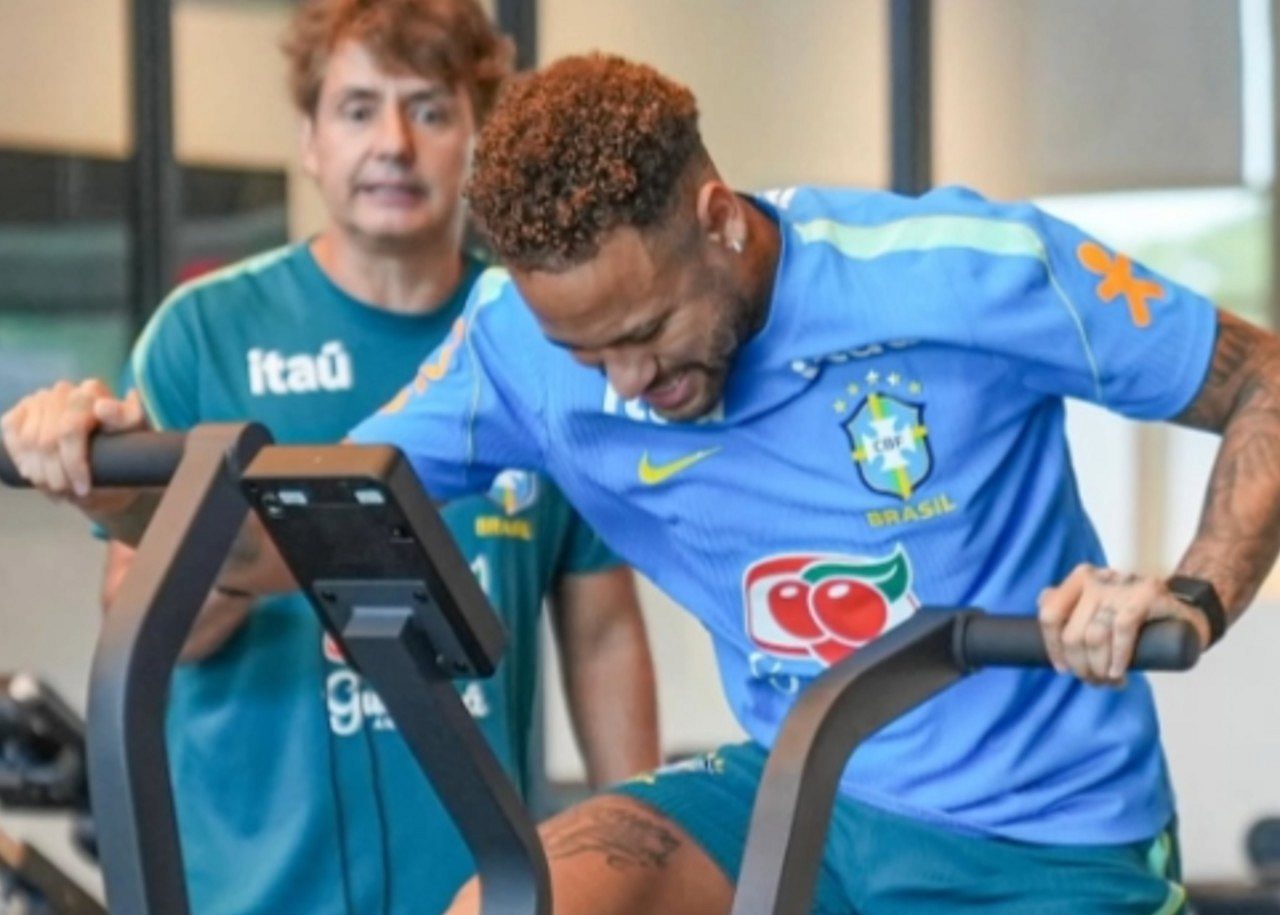
Through his official profiles on the internet, the main star of the national team shared detailed updates about his clinical status during the night of Thursday (11). With less than two days left until the World Cup kickoff, the athlete performed specific exercises in the indoor weight training facilities, working side by side with the rest of the squad to maintain cardiovascular fitness. Despite the continuous effort and dedication to indoor training, the technical committee has already dropped the hammer and decided that the player will not enter the pitch this Saturday (13th), at 7pm in Brasilia time zone, when the country begins its journey in the group stage against the Moroccan squad.
The severity of the muscle problem and the impact on the tactical scheme
Considered the main gear in the offensive game model designed by coach Ancelotti, the star deals with significant discomfort in the calf region, a critical area for the performance of high-performance athletes. This type of injury requires extreme caution from the medical department, as the affected muscle group is essential for starting movements, jumping and sudden changes of direction at high speed. Since the delegation arrived in the United States for the acclimatization and concentration period, the striker has not even put on his boots to train in the open field. Until now, contact with the ball has been limited to short, low-intensity touches, always preserving the injured leg from greater impacts.
Strengthening routine and next treatment steps
Dedication to strict physiotherapy protocols remains intense, a fact evidenced by the athlete’s active participation in strength circuits recently carried out with his teammates. Professionals who monitor the day-to-day activities of the concentration confirm that absence from the inaugural match is a non-negotiable security measure to preserve the physical integrity of the idol. The health team understands that forcing an early lineup against the Moroccans could result in a more severe rupture of fibers, which would fatally exclude the star from the rest of the international competition. To organize the return, the schedule was divided into clear steps:
- Saturday, June 13: Debut in the group stage against Morocco, with the player acting only as moral support in the dressing room.
- Transition period: Five days dedicated exclusively to intensive physical therapy, use of recovery technology and controlled load testing.
- Wednesday, June 19: Second match of the tournament against Haiti, date established as the main target for returning to the pitch.
Expectations of the coaching staff for the second round of the tournament
Even with the initial frustration of not playing in the grand opening of the event, the atmosphere behind the scenes is one of palpable hope for the subsequent clash, when Brazil will face the Haiti team. The competition calendar offers a valuable recovery window of almost a week, as this second duel is scheduled for June 19th. Recent video records and photographs released by the highest national football entity illustrate the number 10 exchanging relaxed passes with teammates on the edge of the field. This light movement, although still far from the frenetic pace required in an official match, signals that the muscle tissue is responding positively to daily stimuli.
Continuous monitoring to avoid risks of relapse in the group stage
The overall strategy adopted by the fitness team aims to ensure that the player reaches a safe level of mobility without skipping any crucial steps of biological rehabilitation. Daily assessments, which include portable imaging exams and isokinetic testing, determine the exact exercise load allowed each morning in the United States. The central objective of all this meticulous planning is to provide Commander Ancelotti with an athlete capable of withstanding the tactical and physical demands that the world championship demands, transforming the patience of this first week into a real competitive advantage for the decisive clashes that will follow.





