
United States government bars content creators with tourist visas from profiting from the 2026 World Cup

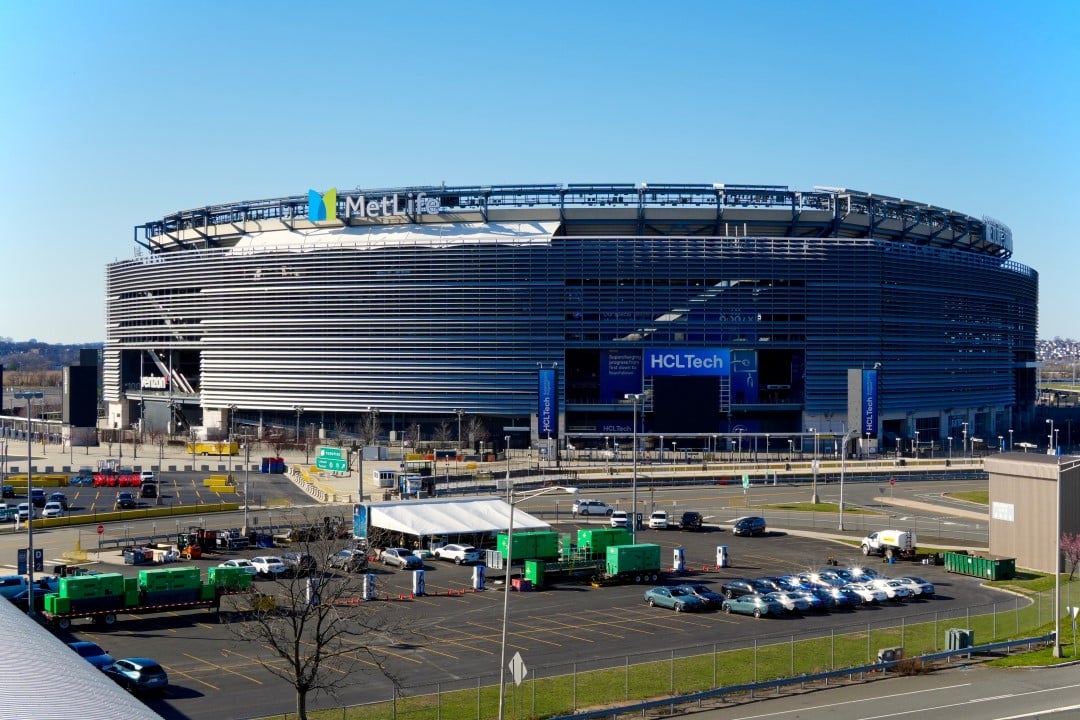
The proximity of the 2026 FIFA World Cup prompted the North American government to issue a strict notification aimed at digital producers from other countries. Foreigners who plan to travel to American territory to record videos and earn money from this material will not be able to use the common tourism permit. Border control bodies determined that any recording aimed at local monetization constitutes an employment relationship, requiring adequate documentation for this purpose.
Strict immigration rules affect internet professionals
The guidelines were formalized through a letter signed by the Customs and Border Protection Agency (CBP) in conjunction with the Department of Homeland Security. The Spanish newspaper “El País” was responsible for initially publishing the content of this restrictive memorandum.
The federal statement makes it clear that crossing the border for the exclusive purpose of generating publications for the internet and obtaining financial gains within the country constitutes professional practice. Authorities reinforce that visitors benefiting from tourism programs who accept payments from companies or platforms based in the United States will directly violate the rules for admission to the territory.
Direct impact on unofficial coverage of the FIFA tournament
This regulatory offensive occurs precisely when the preparation for the biggest football championship on the planet enters its decisive phase. The event has the potential to attract thousands of vloggers and internet celebrities, a market that generates billions of dollars annually, all interested in recording behind-the-scenes footage of the matches for their gigantic audiences.
To date, government departments have not detailed the inspection logistics that will be applied at airports. It also remains unclear whether immigration agents have already begun blocking passengers based on these new guidelines specific to the digital environment.
Limitations of category B-2 and punishments provided by law
American legislation establishes that the B-2 type document serves solely recreational purposes, such as vacations, visiting relatives or seeking medical assistance. The regulations expressly prohibit the holder of this authorization from carrying out paid jobs or receiving any financial compensation for work carried out while under American jurisdiction.
Ignoring federal immigration regulations results in heavy sanctions immediately applied by border agents:
- summary revocation of the travel document;
- expulsion process from national territory;
- definitive or long-term blocks for new incoming requests.
Cool alternatives to working during sports competition
Digital media professionals who wish to act legally during matches need to seek the O-1 category. This admission format caters to individuals capable of demonstrating excellence and international recognition in their fields, encompassing sectors such as arts, sciences, sports and business.
With the approval of this specific immigration status, the foreigner gains the right to conclude commercial contracts. This includes participating in advertising pieces, establishing sponsorship agreements with local companies and recording content aimed exclusively at generating revenue.
Monitoring social networks and tightening borders
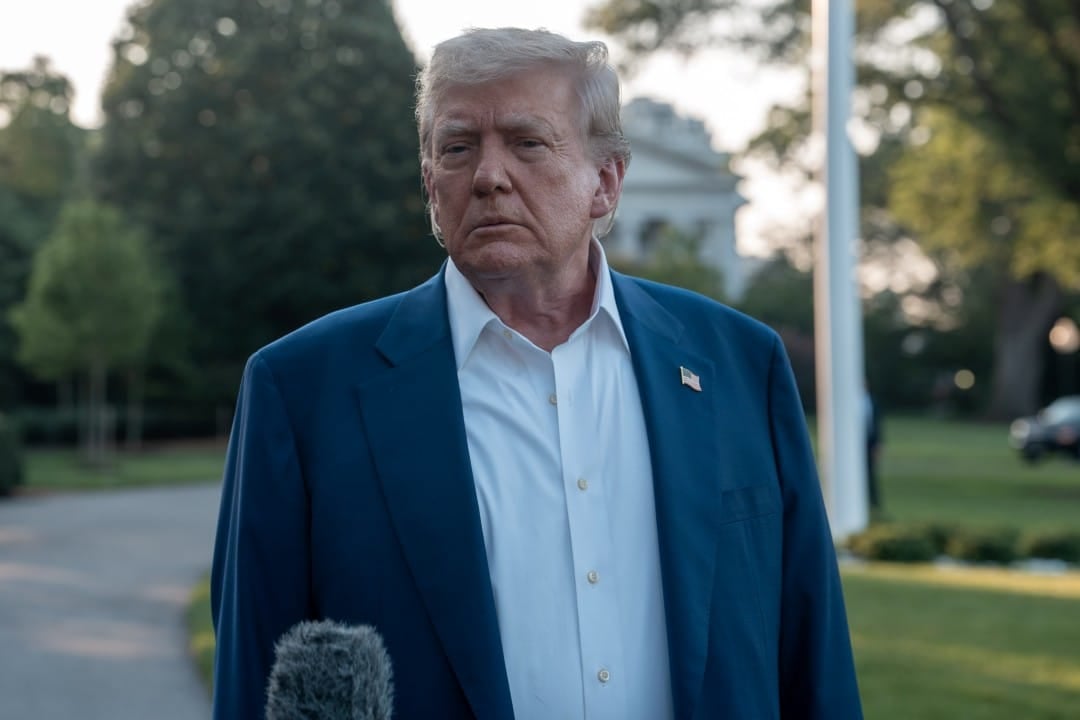
An informant linked to the federal administration confirmed to “El País” that Donald Trump’s administration plans to multiply approaches to arrival terminals. The White House’s central goal is to intercept virtual celebrities who try to game the system by using tour permits to close lucrative deals.
The government official, who requested confidentiality regarding his identity, justified the operation as a mechanism to shield the internal job market. The measure reflects the current government’s historic stance of applying thicker filters against irregular foreign labor.
The investigative tactic includes monitoring the platforms themselves. The agent revealed that many producers make their intentions known by publishing videos detailing travel planning, consular procedures and the commercial recording schedule they intend to complete in the host cities.
Tense climate affects fans and foreign professionals
The strictness of migration turnstiles has turned the United States into the center of a global debate in recent weeks. The relentless screening affects both fans who bought tickets to watch the games and the workers scheduled to work in the tournament infrastructure.
Trump-era guidelines, marked by zero tolerance for documentary inconsistencies, have spread a climate of insecurity. Travelers from different continents fear having their trips frustrated even if they have confirmed air tickets and hotel reservations.
The reflection of this policy has already produced cases of recent international repercussion. Citizens of Iran, a nation that has had historic diplomatic friction with Washington, faced total blockades at airports. In another high-profile episode, a Somali-born football referee ended up expelled from the country alleging alleged links to extremist organizations.





