Debate about Virginia Fonseca as a reporter at the World Cup with Huck moves social networks

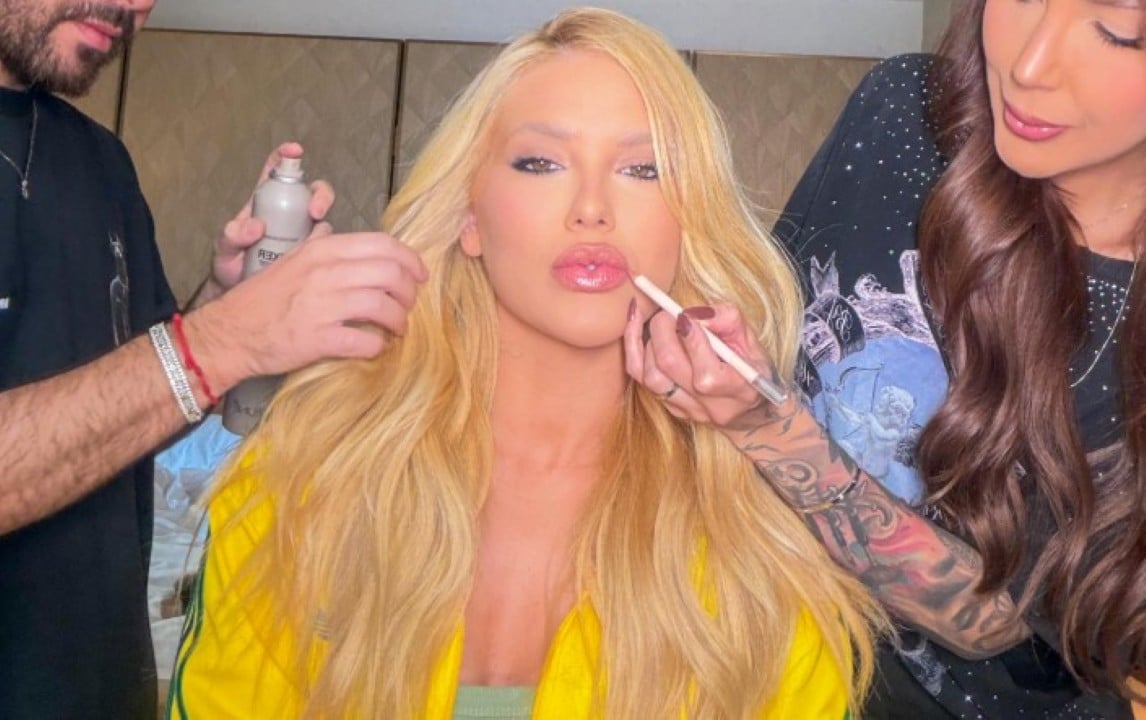
Virginia Fonseca’s participation as a special reporter during the World Cup on the program Domingão com Huck generated intense discussion on digital platforms. The digital influencer was chosen to offer a different behind-the-scenes view of the World Cup, provoking mixed reactions among viewers and internet users about the suitability of her role in the coverage.
Details of Virginia Fonseca’s coverage in Qatar
The presenter had the responsibility of capturing the atmosphere of the World Cup from a lighter perspective and focused on entertainment. Its mission involved a series of themes, seeking to bring the public closer to cultural elements and the fan experience.
- Behind the scenes of the World Cup:A unique perspective on the preparations and environment of the games.
- Curiosities about the host cities:Highlighting the cultural and historical aspects of the locations.
- Gastronomic experiences:Exploration of local cuisine and tips for the public.
- Tourist attractions:Suggestions for tours and points of interest outside the stadiums.
- Fans routine:Observation of the behavior and passion of the fans present.
Differences in opinions regarding the presence of the influencer
The arrival of Virginia Fonseca to the program’s coverage team divided the audience. While a portion of internet users applauded the broadcaster’s initiative to innovate and bring a popular face to a more relaxed format, another portion expressed discontent. Criticism often pointed to the influencer’s lack of journalistic experience or the perception that her approach would divert from the event’s main sporting focus.
The inclusion of content creators in traditional media
Virginia Fonseca’s case reflects a growing trend in the communications landscape: the search by large broadcasters for digital personalities to attract new generations of viewers. In a world where content consumption is spread across social networks, the integration of influencers in far-reaching programs is seen as a strategy to rejuvenate the audience and expand engagement, connecting television language with the dynamics of online platforms.
The discussion about entertainment and sports journalism
The choice of Virginia Fonseca in the role of special reporter reignites the debate about the limits between factual journalism and entertainment, especially in large-scale events such as the World Cup. For some, covering a sporting event should prioritize information and in-depth analysis. However, advocates of the new approach argue that the inclusion of entertainment elements is essential to reach a wider and more diverse audience, adapting coverage to contemporary media consumption expectations.