Accident on the CE-187 highway leaves seven basketball players dead after winning the title
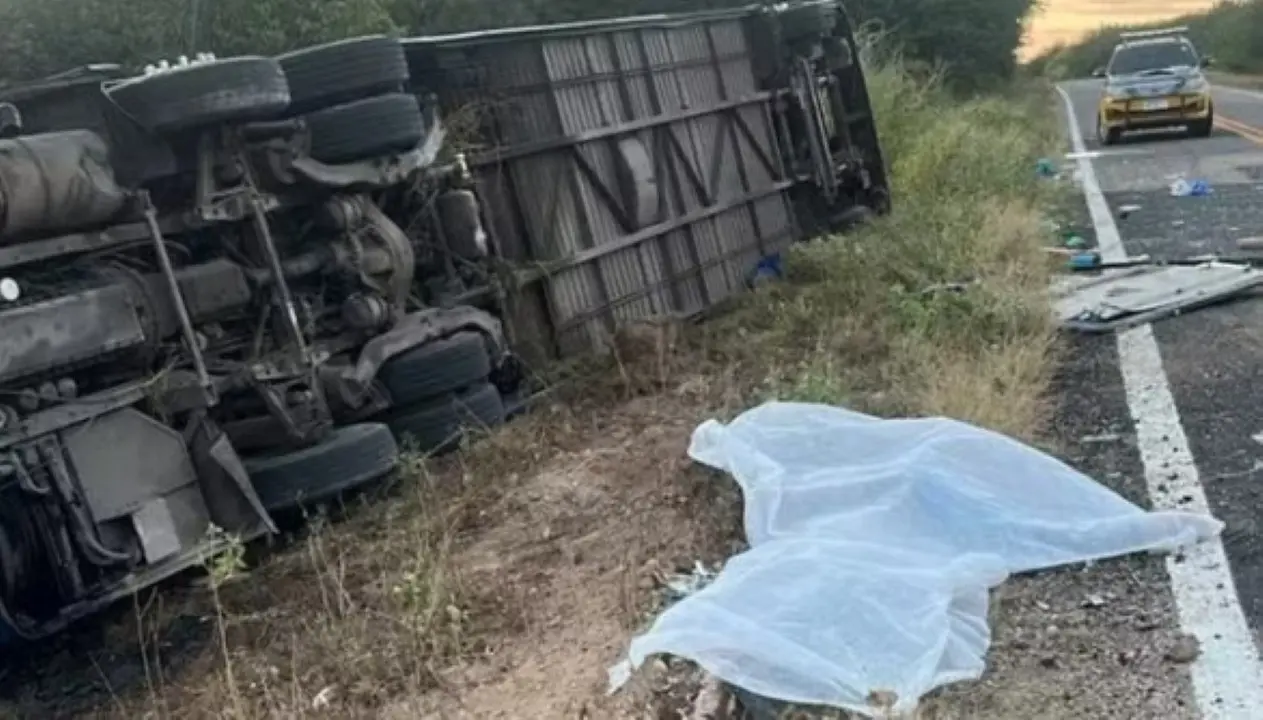
A tragedy interrupted the journey of seven teenage athletes in the early hours of this Monday (15), when the collective in which they were traveling overturned on the CE-187 highway, near the municipality of Tauá, in the backlands of Ceará. The disaster left multiple people injured and generated a strong statewide commotion, leading Governor Elmano de Freitas to go public to pay condolences to the bereaved families.
Using his official profiles on the internet, the head of the Ceará Executive deeply regretted the accident that occurred on the stretch that connects the cities of Tauá and Quiterianópolis. The manager emphasized that the vehicle was carrying a youth basketball team and made a point of praising the agility of the security and health forces who acted promptly in the rescue, sending a message of comfort to all those impacted by the trauma.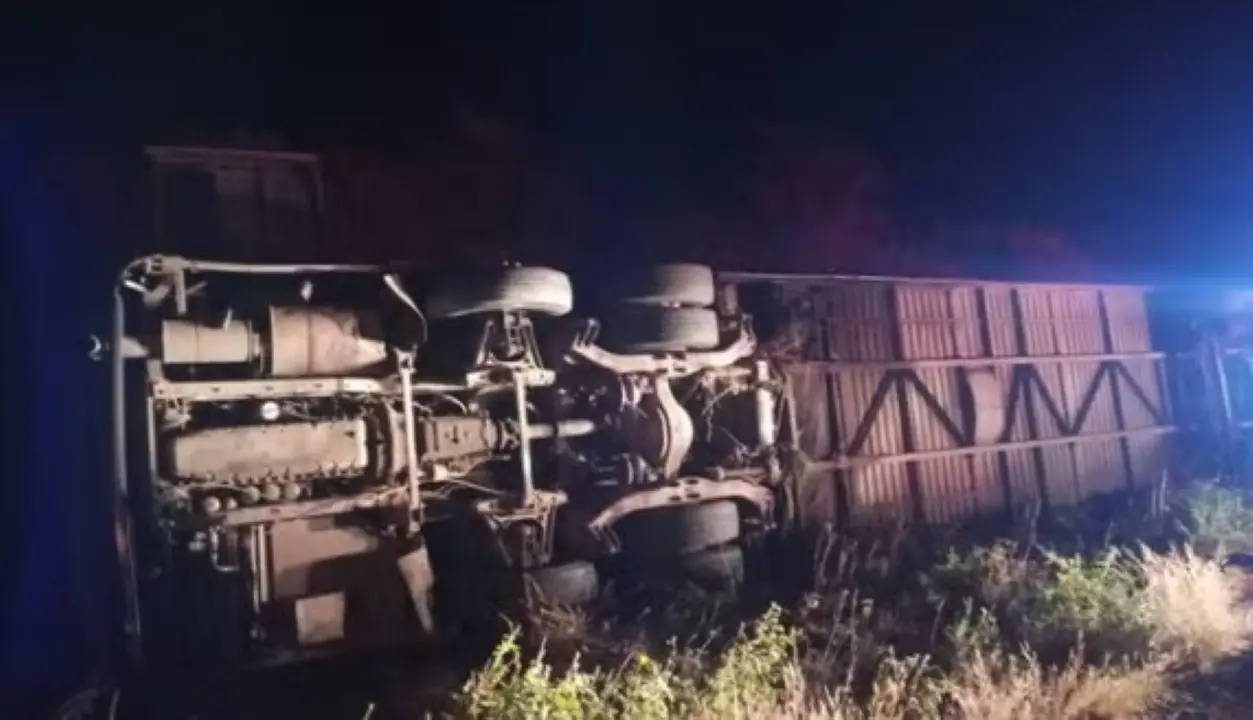
The fatal victims were part of the sports team at an educational institution based in Juazeiro do Norte, in the Cariri region. The group was experiencing a moment of extreme euphoria, as they had just lifted the Copa Sobral 2026 trophy in the Under-19 category. The return trip, which should have been a celebration along the more than 400 kilometers that separate the two cities, turned into a scene of irreparable mourning.
The Ceará State Department of Education (Seduc) also officially commented on the devastating episode. The government body sent messages of support to the affected school community and assured that it will maintain strict monitoring of the investigations, making itself available to assist investigators in whatever is necessary to clarify the case.
The exact point where the driver lost control of the steering wheel is close to the district of Santa Teresa, a region far from the urban center of Tauá.
The delegation’s final journey towards the south of the state was abruptly interrupted when the bus left the road and overturned violently. Security agents who responded to the incident found an aggravating factor: the absence of seat belt use by most of the occupants. Traffic experts warn that, in heavy vehicle overturns, the equipment is the main barrier against ejection. Without this protection, the seven boys were thrown out of the structure and crushed by the weight of the bus itself. The names of the deceased are still awaiting official confirmation.
Security professionals confirmed that the bodies of the seven teenagers were removed from the wreckage and taken directly to the Legal Medical Institute (IML) unit in Tauá. There, they will undergo necropsy examinations and formal identification before being released for funeral rites.
An intriguing detail still mobilizes the authorities: a person who appeared on the official list of passengers was not found at the scene of the disaster. The police are now trying to find out if this individual gave up boarding at the time of departure or if there is some other development that has not been mapped.
Leia Também

Messi reaches 19 goals in FIFA World Cups with great free kick for Argentina in clash with Jordan

Cristiano Ronaldo shines beyond the pitch at the 2026 World Cup with business empire and family luxury

At 41, Cristiano Ronaldo reaffirms his historic legacy and prepares to shine in the 2026 World Cup
Driver contradictions and intense work of rescue teams
The exact dynamics that caused the vehicle to leave the road remain a mystery. Criminal experts were called in to analyze the traces on the asphalt and on the structure of the bus, seeking to determine whether the tragedy was the result of a sudden mechanical failure or human error in driving.
During the relief work, a deputy from the Fire Department managed to talk to the professional who directed the collective, noticing inconsistencies in his reports. Initially, the man confessed to having fallen asleep while driving, but soon changed his version, blaming supposed potholes on the road. This second justification was promptly refuted by the military, who attested to the good condition of the paving in that specific section. The driver emerged physically unharmed, but suffered severe psychological distress.
The operations center received the first call for help at exactly 3:24 am, with desperate reports of people trapped in the wreckage. From that moment on, a multidisciplinary task force was set up on site, involving several fronts:
- Fire Department extrication teams to cut the hardware.
- Samu advanced support ambulances for triage and clinical stabilization.
- Military Police vehicles to isolate the area and control traffic.
Data provided by the fire department revealed that the capacity of the vehicle was not restricted to just the tournament champions. Other civilian travelers had also purchased tickets and were sharing the space with the sports delegation at the time of impact.
The rescue of the bodies and the collection of luggage scattered throughout the bush were only completed around 8 am. Due to the complexity of the operation, the flow of vehicles on the CE-187 highway had to be completely blocked in both directions, allowing forensics to work safely and cleaning teams to remove debris from the road.