
Apple launches Siri as its own app in iOS 27, with expanded features and new iPhone compatibility


Apple announced a significant change to Siri during WWDC 26, held on June 8. The virtual assistant will now have its own independent app in iOS 27, with a dedicated icon on the home screen of compatible iPhones. This is the first time that Siri has stepped out of the background to gain a visual presence and an interface similar to AI chatbots.
The Siri app will be available for iPhone 15 Pro, iPhone 15 Pro Max and the entire iPhone 16 line or later. Users should check specific feature compatibility on their current device, as not all older models will receive full support.
Siri app gains space on the home screen
The iOS 27 version differs from previous versions by allowing both voice and text interactions directly on the screen. This functionality extends to iPadOS 27, macOS Golden Gate, visionOS 27, and watchOS 27. The design adopts a visual conversation format, with chat bubbles and input options.
Chat interactions are now manageable
With the new app, it is possible to access the complete history of conversations in a list, similar to ChatGPT. Users will be able to attach photos and files for analysis, in addition to Siri interpreting the content displayed on the screen in real time for more contextualized responses.
The expectation is that responses will become more personalized, considering messages, images and data stored on the device.
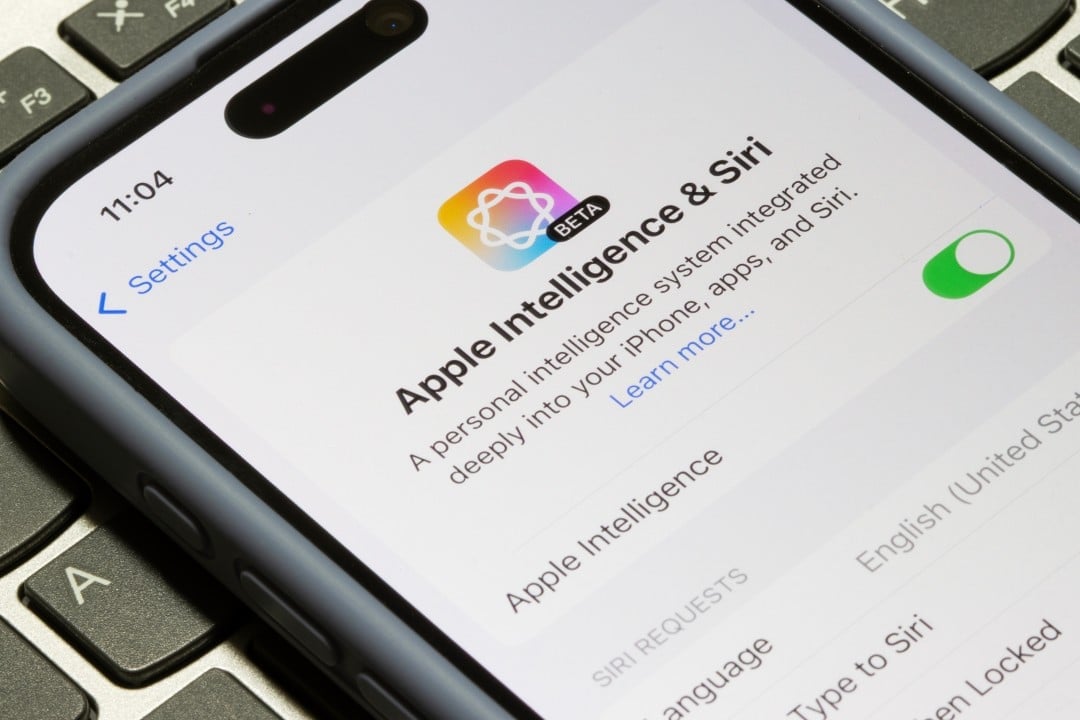
Chat history synced via iCloud
Chat history will be synced between iPhone, iPad and Mac via iCloud. A conversation started on one device can be continued on another without losing context, facilitating multi-device use.
Reasons for creating a dedicated app
Apple has revised its initial strategy of integrating Siri only with other services. The rise of conversational AIs like ChatGPT and Gemini influenced the decision to launch a standalone app. The change helps Apple reduce the perception of lagging behind its competitors.
New AI features have been promised since iOS 18, in 2024, but have faced delays. iOS 27 is seen as the milestone to regain ground.
Inserting Siri accompanies the addition of standard applications
The arrival of the Siri app follows Apple’s pattern of including more native applications. Recent examples are Picture Playground (iOS 18.2), Games and Preview (iOS 26). This trend reinforces the proprietary ecosystem.
The move towards conversational AI
Unlike one-off assistants, the new app adopts the model of AIs such as ChatGPT and Gemini, with persistent history and continuous interactions. Reports indicate that technologies such as Google’s Gemini served as the basis for part of the capabilities.
Two-stage Siri Compatible Models
Compatibility varies by feature:
- Basic functions of Siri AI(including the app): iPhone 15 Pro, 15 Pro Max, iPhone 16 and later.
- More advanced features built into the device(voice personalization and high-precision transcription): iPhone 17 Pro, 17 Pro Max and iPhone Air.
iOS 27 runs on iPhone 11 onwards, but support for the new Siri is limited on older models. Essential functions work well on the standard iPhone 16 and iPhone 17. There is no urgent need to upgrade just for the two advanced features.
How does Siri’s performance compare to other generative AIs?
Siri’s main strength is its deep integration with the Apple ecosystem — device control, HomeKit, and Shortcuts — areas where ChatGPT and Gemini still lag behind. Initial tests show that competitors deliver more detailed answers in complex searches, while Siri shines in the context of the screen.
The architecture combines its own model with cloud processing (based on Gemini). Still in beta, improvements in accuracy are expected until the final release.





