
Remake of Zelda: Ocarina of Time for Switch 2 has changed description, generating uncertainty about fidelity

Nintendo removed information from the description of the long-awaited remake of The Legend of Zelda: Ocarina of Time, developed for the Nintendo Switch 2. Initially, the text led players to believe that it was a highly faithful version of the original Nintendo 64 classic.
This brief note about the game was identified by enthusiasts in the source code of the official Zelda product page, aimed at the Nintendo Switch 2. However, shortly after discussions about the meaning of the description began to circulate on the internet, the page’s code was updated, and the section in question was promptly removed.
The official reveal of the title took place last week, during the Nintendo Direct broadcast, after a period of leaks and much speculation. Information about this new edition of Ocarina of Time is scarce, with Nintendo itself choosing to keep most of the details confidential, releasing only a brief teaser lasting a few seconds.
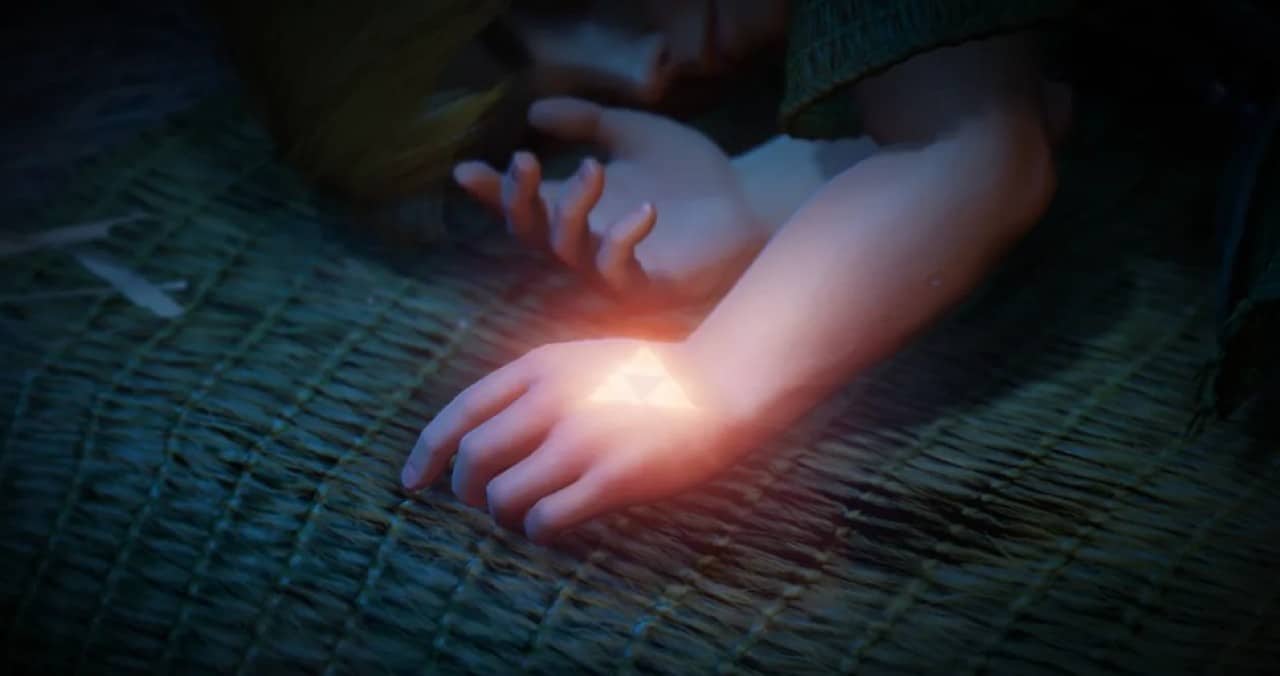
The promotional video showcased a mysterious tapestry, followed by an image of a young Link in repose, with the iconic Triforce mark visible on his hand. The main objective of the clip was to present the game’s artistic direction, without delving into other elements. The fan community was quickly divided into speculation: would this be a complete reimagining, along the lines of Capcom’s Resident Evil or Square Enix’s Final Fantasy VII productions, or a more direct, one-to-one adaptation? Many now argue that the description that was removed indicated the second option, similar to what Nintendo had already done with the 3DS version years ago. This change in message, after fan interpretation, adds a layer of uncertainty about Nintendo’s final vision for the project, raising doubts as to whether the remake will actually replicate the original experience exactly or introduce major new features.
The original description stated: “The N64 classic is reborn in a complete remake for Nintendo Switch 2. Experience Ocarina of Time with stunning visuals, updated design and timeless gameplay.”
Analysts and fans interpreted the mention of “timeless gameplay” to signal that the overall experience of exploring Hyrule, the dungeons, puzzles, and secrets, would remain familiar to those who played the original title, rather than a deep re-engineering of the game’s systems.
It’s worth noting that Ocarina of Time aligns with another remake of an N64 classic that’s slated for the Switch 2 this year: Star Fox. In this project, Nintendo preserved the essence of the gameplay but incorporated significantly expanded plot sequences. It remains to be seen whether a similar approach will be taken for Ocarina.
The remake teaser also started with a narration, a detail that could indicate the presence of a full voice cast for the dialogues, instead of the subtitles that characterized the original game. This decision would bring the title closer to the franchise’s most recent releases, such as Breath of the Wild and Tears of the Kingdom, although this information still needs official confirmation.
Community expectations about key elements in the Switch 2 remake
Nintendo later replaced the original description with a more generic text, which does not reveal new information about the project. The new phrase states: “The Nintendo 64 classic returns for a new generation in 2026, reborn exclusively for the Nintendo Switch 2!”
The company promised to release more details about the game later this year. Ocarina of Time, for now, maintains its release date for sometime in 2026.





