6.3 earthquake hits Qinghai and triggers alert for millions of cell phones in China; global system is a reference

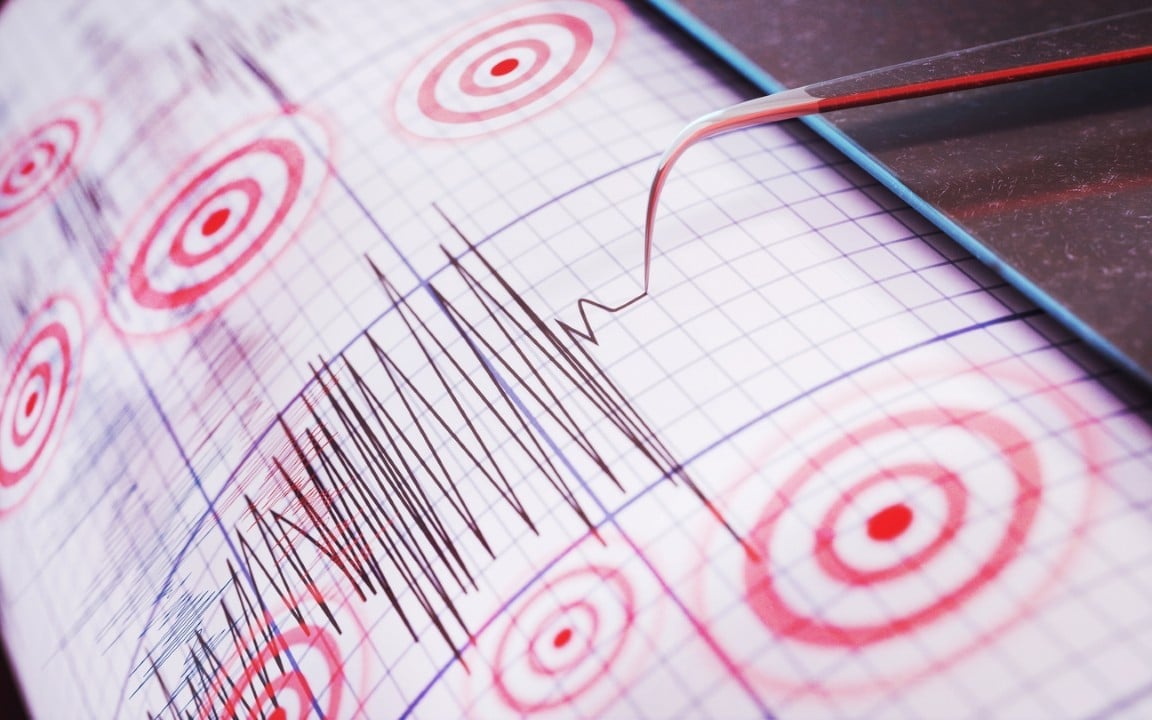
A magnitude 6.3 earthquake shook Haixi Prefecture in Qinghai Province, China, on June 16. The China Seismological Network Center confirmed the event at 5:06 pm local time, detailing that the epicenter was at coordinates 37.80°N and 95.56°E, with a depth of 10 kilometers.
Shortly before and during the earthquake, several users reported receiving emergency warnings on their mobile devices. Notifications included visual alerts on the screen, distinct beeps and vibrations, according to reports shared on digital platforms. The functionality allowed many internet users to react in advance to what happened.
The scope of the alert system was remarkable, reaching a vast area. Residents of several locations in Qinghai province and adjacent regions, in addition to the area closest to the epicenter, were notified of the imminent tremor.
China operates the world’s largest earthquake early warning system, distinguished by its ability to provide real-time intensity reports every minute. This crucial feature increases effectiveness in crisis management, offering robust support for strategic decisions during disasters and rescue operations, an advantage that goes beyond simple warnings to enable a more agile and informed response. The system guarantees second-level alerts for more than 90% of areas considered to be at high seismic risk in the country.
Since its full operation, early warning technology has issued hundreds of warnings for earthquakes of magnitude 4 or greater. This advance proved to be essential, granting precious seconds for the population to adopt safety measures and for specific sectors, such as high-speed trains and precision manufacturing factories, to activate their emergency protocols.
Currently, most cell phones sold in China already have earthquake warning functionality integrated into their operating system. For users of iPhones, Samsung devices and other international brands, these warnings can be received through specialized applications, such as ICL’s “Early Earthquake Alert”, or through communication platforms such as WeChat and QQ.