
JAL and ANA air operations in Japan continue normally after intensity 5 earthquake in Kanto-Koshin

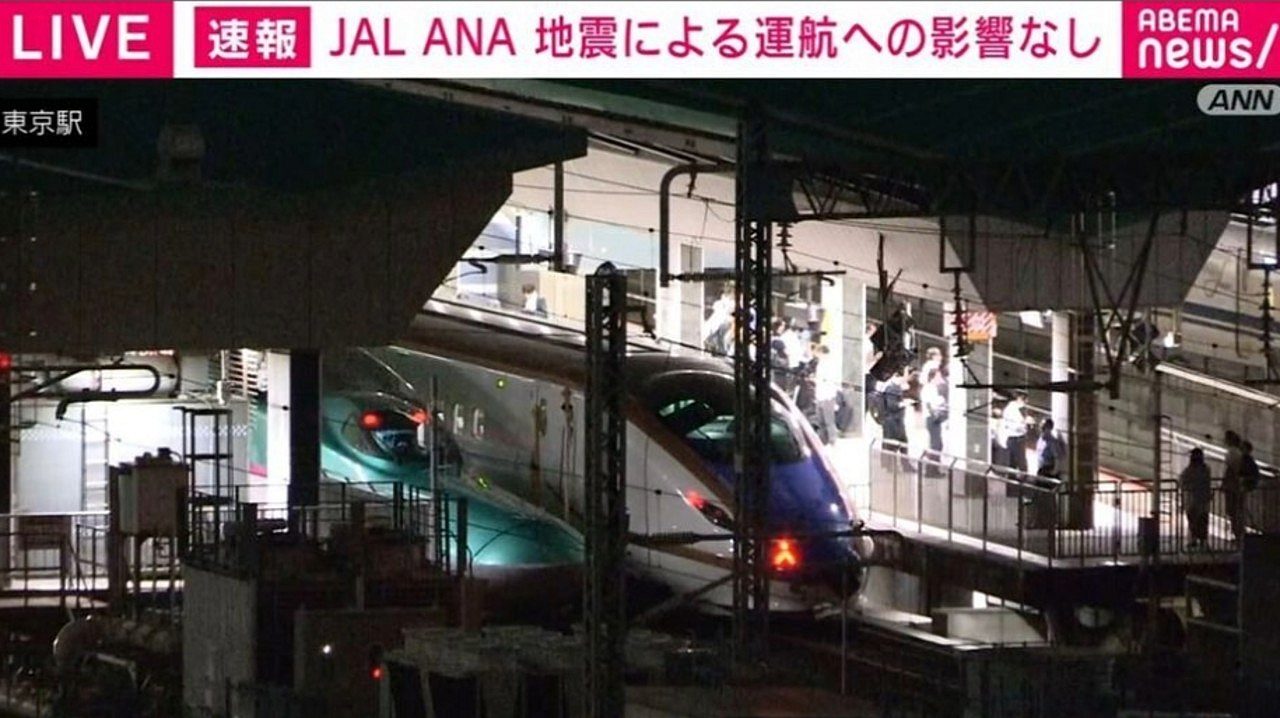
Airlines Japan Airlines (JAL) and All Nippon Airways (ANA) confirmed that their flight operations were not affected by an earthquake that registered intensity 5- on the Japanese seismic scale. The tremor occurred on the night of last Tuesday, June 16, and was felt in significant areas of Saitama and Gunma prefectures, in the Kanto-Koshin region.
Airlines confirm unchanged operations
Despite the tremor, Japan’s two largest aviation companies announced that there was no impact or interruption to their services. Domestic and international flights scheduled for the date continued their itineraries without delays or deviations resulting from the natural phenomenon. This rapid communication aims to reassure passengers and partners about the stability of air transport.

Seismic measurement and the tremor range in Kanto-Koshin
The Japan Meteorological Service classified the event with a maximum intensity of 5 on the local seismic scale, which measures the degree of agitation on the Earth’s surface. The epicenter of the tremor directly affected the prefectures of Saitama and Gunma, where the intensity was most pronounced. The tremor was recorded at around 8:30 pm (local time) and could be felt in several parts of the densely populated Kanto-Koshin region, including the Tokyo Station area.
Japanese infrastructure and security protocols at airports
The lack of impact on air operations highlights Japan’s advanced preparedness to deal with earthquakes. The country invests massively in construction technologies and rigorous security protocols, especially in critical infrastructure such as airports. Early warning systems and emergency procedures allow authorities and businesses to act quickly, ensuring that safety is maintained and essential services such as aviation can continue operating.
Minimal impact on large urban centers and transport
Despite the intensity of the tremor, life in the large urban centers of Kanto-Koshin, including Tokyo, was not significantly disrupted. In addition to flights, other modes of public transport, such as trains and subways, also have robust safety systems that allow rapid assessment and, when possible, the resumption of activities, minimizing disruption to the population and the local economy.





