Agreement between the US and Iran provides for an end to the war, reopening of the Strait of Hormuz and a nuclear commitment in exchange for economic relief

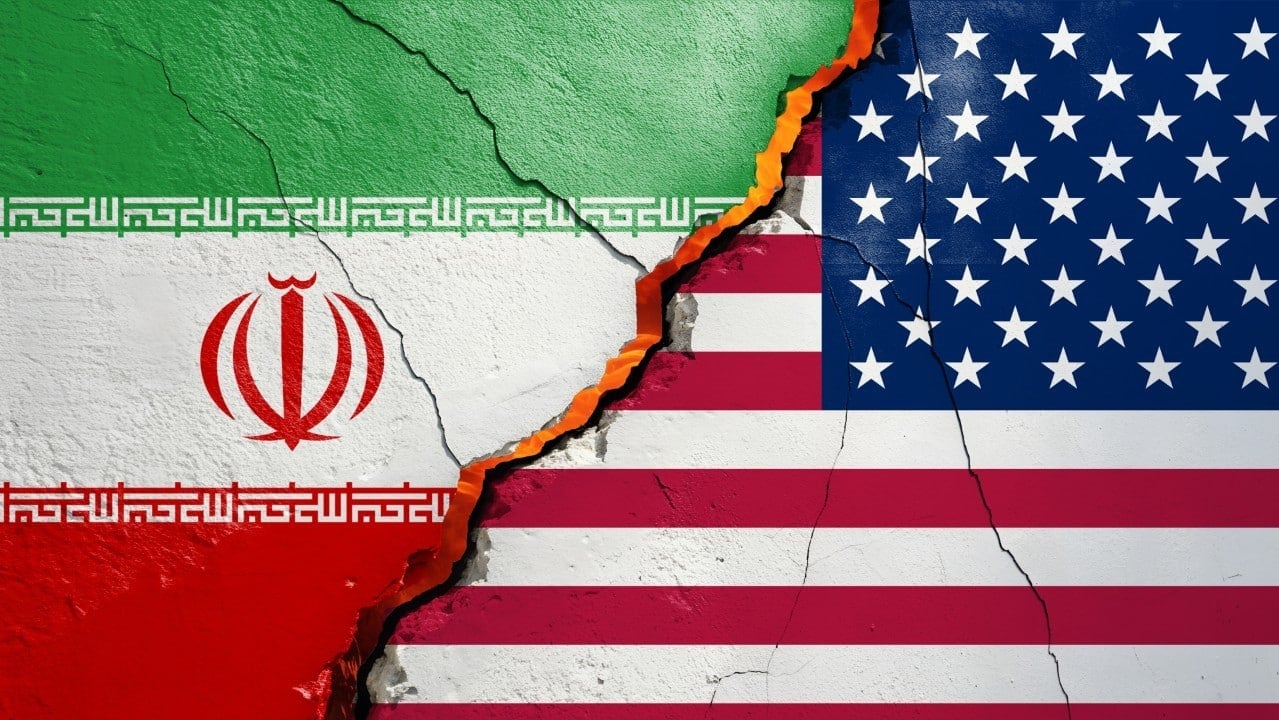
A CNN International report revealed this Wednesday (17) details of a supposed peace agreement to end the war in the Middle East, involving the United States and Iran. The treaty, whose content has not yet been officially released, would include promises from Tehran not to develop nuclear weapons and financial compensation to the Iranian government. The document would have been signed virtually over the weekend and is expected to be made official in person at a ceremony in Switzerland, scheduled for Friday (19).
The North American broadcaster, which claimed to have obtained access to the entire document, listed 14 crucial points of the treaty:
- Forecast of an immediate and permanent ceasefire on all fronts, with a joint declaration between the United States, Iran and their allies involved in the conflict.
- Reestablishment of traffic in the strategic Strait of Hormuz, which had been blocked by Tehran in retaliation for attacks by the Americans and Israelis.
- Financial compensation for Iran, with no exact amount defined. The treaty would mention access to a fund of US$300 billion (equivalent to approximately R$1.5 trillion) if the country fulfills its promise not to create atomic weapons. However, Donald Trump denied the existence of this fund this Wednesday.
- Removal of all sanctions currently imposed on Iran, within a deadline yet to be agreed by the parties.
- Release of Iranian assets and funds that were frozen or restricted due to sanctions.
- Iran’s express guarantee that it will not develop nuclear weapons.
- Creation of a plan for the rehabilitation and economic development of Iran within 60 days, to be prepared by the United States and its regional partners, aiming to alleviate the impact of decades of economic restrictions.
- Authorization for Iran to freely trade its oil and petrochemical products.
- Issuance of exemptions by the US Treasury Department for exports of Iranian crude oil, its petrochemical derivatives and “all associated services, including banking, insurance, transportation and the like”.
- Agreement for a final pact in 60 days, covering the issue of Iran’s nuclear program.
- Iranian commitment to restore vessel traffic between the Persian Gulf and the Gulf of Oman (both connected by the Strait of Hormuz) to pre-conflict levels, within 30 days.
- Approval of the definitive agreement by a UN Security Council resolution, after the 60-day period.

The CNN International report also highlighted that the text does not specify a limit for the uranium enrichment that Tehran could carry out. The exact destination of the nuclear material and uranium already enriched by the Persian country will be one of the points to be defined in the final agreement, also within 60 days.
Despite the virtual signing of the treaty by the United States, former President Donald Trump stated this Wednesday (17) that what he called a “memorandum of understanding” does not yet constitute a definitive document. At a press conference during the G7 summit in France, Trump declared that he could resume attacks on Tehran if he is not satisfied with the outcome of future negotiations related to Iran’s nuclear program. “It’s a memorandum of understanding. And if I don’t like it, we’ll go back to shooting them, bombing their heads. If I don’t like it, if they don’t behave, we’ll go back to bombing them right in the middle of their heads, okay?”, said the North American leader, reaffirming his stance. He also classified as “false” the information about the US$300 billion fund destined for the reconstruction of Iran.